
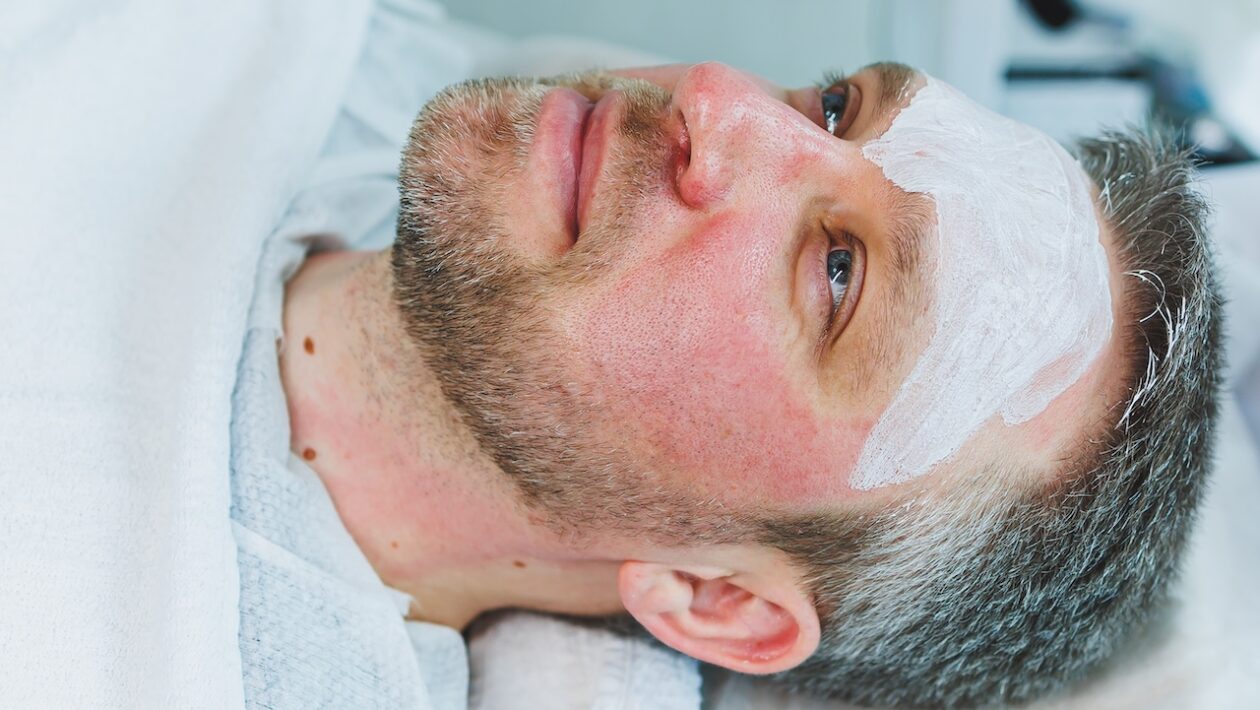
Many people seek solutions for common skin concerns like fine lines, acne scars, and uneven pigmentation. Among the most trusted and effective treatments in dermatology are chemical peels. These procedures offer a way to refresh and rejuvenate the skin’s surface, revealing a smoother, more radiant complexion. Understanding what a chemical peel is and how the process works is the first step in deciding if this popular treatment is the right choice for your skincare goals.
The Science Behind the Peel
At its core, a chemical peel is a skin-resurfacing procedure. It involves applying a specialized chemical solution to the skin, which causes the top layers to exfoliate and eventually peel off. This controlled injury stimulates the body’s natural healing response, promoting the growth of new, regenerated skin that is typically smoother, less wrinkled, and more even in tone.
The process works by breaking the bonds that hold dead and damaged skin cells together. Once these outer layers are removed, the healthier skin underneath is revealed. The treatment also encourages collagen production, a vital protein that gives skin its structure and elasticity, further improving its texture and appearance over time.
The Three Depths of Chemical Peels
Chemical peels are not a one-size-fits-all treatment. They are categorized into three different types based on how deeply they penetrate the skin.
1. Light (Superficial) Peels
A light peel is the gentlest option, removing only the outermost layer of skin (the epidermis). It uses mild acids like alpha-hydroxy acid (AHA) or beta-hydroxy acid (BHA).
- Best for: Treating fine wrinkles, acne, uneven skin tone, and dryness.
- Process: The solution is applied for a few minutes. You might feel a mild stinging sensation.
- Recovery: Recovery is quick, often just a few hours to a day of redness. These are sometimes called “lunchtime peels” because of the minimal downtime. For best results, a series of treatments is often recommended.
2. Medium Peels
A medium peel reaches deeper, removing skin cells from the epidermis and the upper part of the middle layer of skin (the dermis). Glycolic acid or trichloroacetic acid (TCA) are commonly used.
- Best for: Improving age spots, moderate fine lines, freckles, and actinic keratosis (pre-cancerous skin growths).
- Process: The skin is treated for several minutes. A stinging or burning sensation is common.
- Recovery: Recovery takes about a week. The skin will be red and swollen initially, followed by peeling. Strict sun avoidance is crucial during healing.
3. Deep Peels
This is the most intensive type of peel, penetrating down to the lower layers of the dermis. It typically uses a strong chemical like phenol.
- Best for: Treating deeper wrinkles, significant sun damage, and scars.
- Process: This is a more involved procedure that may require local anesthetic and sedation. The application is done in timed portions.
- Recovery: Recovery can take several weeks. Expect significant swelling, redness, and peeling. The results are dramatic but the downtime is considerable. Deep peels are a one-time treatment.
What Are the Benefits?
The primary benefit of a chemical peel is a noticeable improvement in skin texture and tone. Depending on the depth of the peel, you can expect:
- Smoother, softer skin.
- Reduced appearance of fine lines and wrinkles.
- More even skin tone and less hyperpigmentation.
- Improvement in acne and a reduction in the appearance of acne scars.
- A brighter, more glowing complexion.
Is a Chemical Peel Right for You?
Chemical peels are a versatile and powerful tool for addressing a wide range of skin imperfections. By removing damaged outer layers, they encourage the growth of fresh, healthy skin. Whether you need a light refresh or a more dramatic transformation, there is likely a peel that can help. To ensure safety and achieve the best results, it is essential to consult with a board-certified dermatologist or licensed esthetician who can assess your skin and recommend the appropriate treatment for your specific needs.