
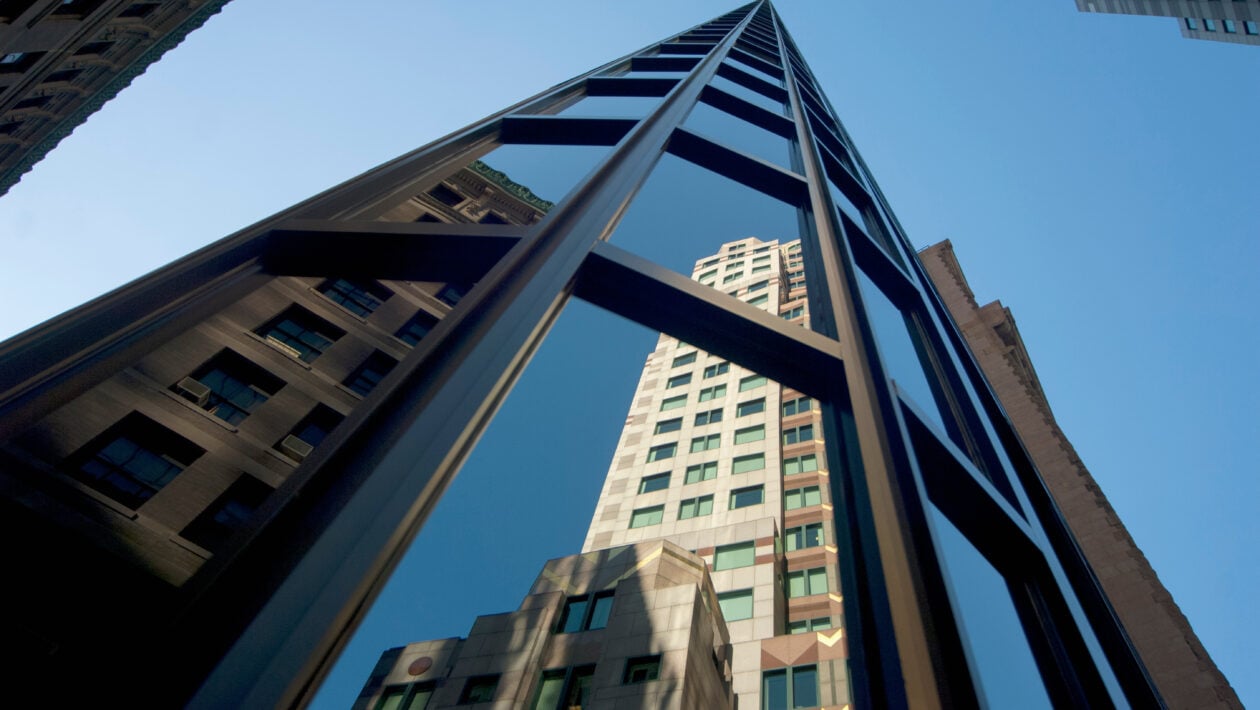
Modern architecture has fallen in love with glass. Sleek facades, uninterrupted views, and light-filled interiors define much of today’s commercial and residential construction. But behind this aesthetic trend lies a practical question: can structural glass actually support environmental goals rather than undermine them? The answer lies in how sustainable structural glazing is designed, manufactured, and integrated into buildings.
What Makes Structural Glazing “Sustainable”
Structural glazing refers to glass systems that are load-bearing or self-supporting, often eliminating the need for visible frames or mullions. On its own, this design approach isn’t automatically eco-friendly. Sustainability enters the picture through material selection, energy performance, and lifecycle considerations.
Sustainable structural glass typically incorporates advanced coatings, insulated glazing units, and glass compositions engineered to manage heat transfer. These features work together to reduce a building’s reliance on artificial heating, cooling, and lighting—three of the biggest contributors to a structure’s overall energy consumption.
Energy Efficiency Starts With the Glass Itself
One of the most significant ways structural glazing reduces environmental impact is through improved thermal performance. Low-emissivity (low-E) coatings, for example, allow natural light to pass through while reflecting heat. This means interiors stay warmer in winter and cooler in summer without excessive dependence on mechanical systems.
Double- and triple-pane insulated units add another layer of efficiency. The gas-filled spaces between panes act as insulation barriers, slowing the transfer of heat and cold. When combined with high-performance framing systems, these glazing solutions can dramatically cut a building’s heating and cooling loads over time.
Reduced energy demand doesn’t just lower utility bills—it directly decreases the carbon emissions associated with power generation, particularly in regions still reliant on fossil fuels for electricity.
Maximizing Natural Light, Minimizing Electrical Load
Structural glass systems are prized for their ability to flood interior spaces with daylight. This isn’t just an aesthetic benefit. Buildings that use daylight effectively require less artificial lighting throughout the day, which translates into meaningful energy savings across large commercial spaces, schools, and office towers.
Thoughtful glazing design takes this further by orienting glass panels to optimize sun exposure based on climate and building direction. In colder climates, south-facing glazing can capture passive solar heat. In warmer regions, shading elements or tinted glass can prevent overheating while still allowing daylight to filter through.
Durability and Longevity Reduce Waste
Sustainability isn’t only about energy use—it’s also about how long materials last and what happens when they eventually reach the end of their service life. High-quality structural glass is built to withstand harsh weather, temperature fluctuations, and structural stress over decades.
This durability matters because it reduces the frequency of replacement and repair. Fewer replacements mean less manufacturing demand, less material waste, and a smaller overall environmental footprint over the life of a building. Additionally, glass is highly recyclable, and many manufacturers now incorporate recycled content into new structural glazing products, further closing the loop on material use.
Supporting Green Building Certifications
Buildings pursuing certifications like LEED or BREEAM often rely heavily on glazing choices to meet energy performance benchmarks. Structural glass systems that offer superior insulation, solar control, and daylighting can contribute significant points toward these certifications.
This connection between structural glazing and certification standards has pushed manufacturers to innovate continuously. As demand grows for greener buildings, glass technology has responded with improved coatings, smarter framing systems, and more sustainable manufacturing processes.
The Bigger Picture: Glass as Part of a Systems Approach
It’s worth noting that structural glazing doesn’t operate in isolation. Its environmental benefits are maximized when integrated into a broader sustainable design strategy—one that considers building orientation, HVAC efficiency, insulation throughout the envelope, and renewable energy sources where applicable.
Architects and engineers increasingly view glass not just as a design element but as a functional component of a building’s overall energy strategy. When specified thoughtfully, structural glass becomes a tool for reducing environmental impact rather than a liability.
Looking Ahead
As construction standards evolve and climate considerations become more urgent, structural glazing will likely continue advancing in sustainability. Innovations in coatings, smart glass technology, and recycled materials are already reshaping what’s possible.
For architects, developers, and building owners, understanding the environmental potential of structural glass is essential to making informed design choices. Far from being purely decorative, sustainable structural glazing represents a meaningful opportunity to reduce a building’s ecological footprint while still delivering the light-filled, modern spaces people want.