
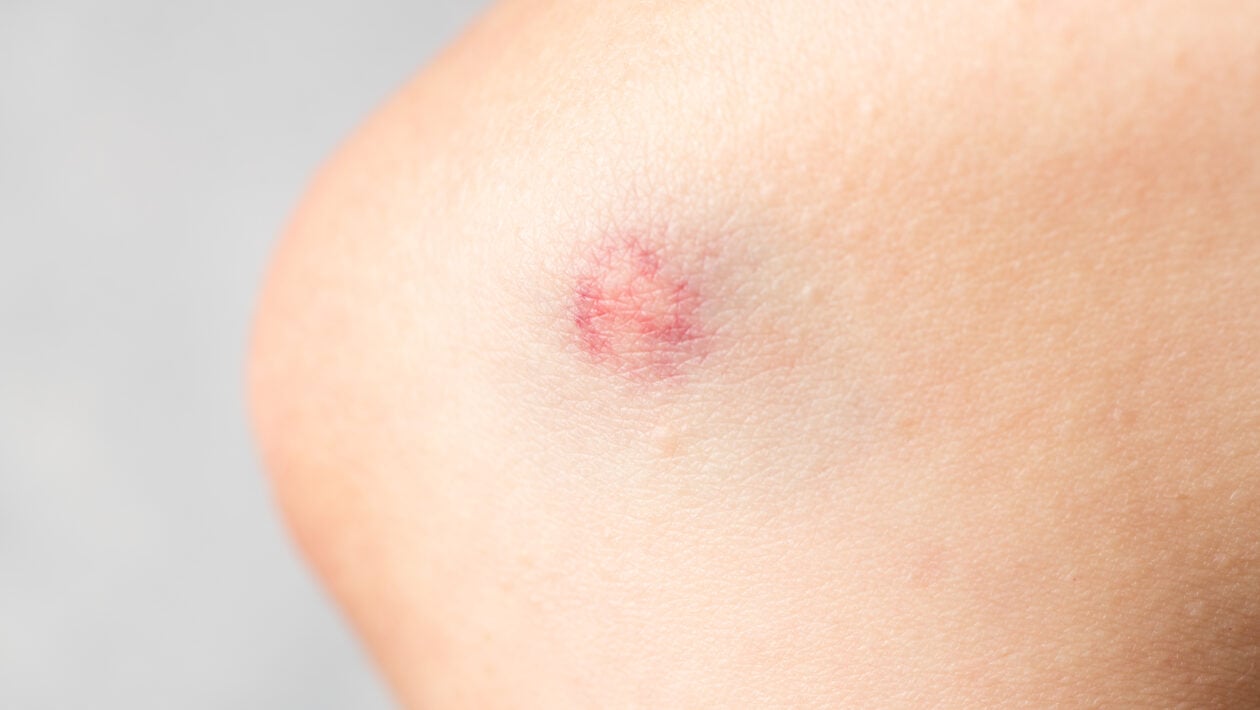
Skin cysts are one of those conditions many people quietly live with, often without fully understanding what they are or when they might become a problem. These small, sac-like lumps beneath the skin are typically harmless, but they can occasionally turn into something more concerning. Understanding how and why cysts become infected can help you recognize warning signs early and know when it’s time to seek medical care.
What Exactly Is a Skin Cyst?
A skin cyst is a closed pocket of tissue filled with fluid, pus, or other material. They form just beneath the surface of the skin and can develop almost anywhere on the body, though they’re especially common on the face, neck, back, and scalp. Most cysts grow slowly and don’t cause pain unless they become irritated, inflamed, or infected.
The most common type is the epidermoid cyst, which forms when skin cells that should shed from the surface instead move deeper into the skin and multiply. Other types include sebaceous cysts, which originate from oil glands, and pilar cysts, which typically form around hair follicles on the scalp. While their origins differ slightly, they all share a similar structure: a sac wall surrounding trapped material.
How Cysts Become Infected
Cysts themselves aren’t inherently infected, but their environment makes them vulnerable. Because they contain trapped keratin, oils, or other bodily substances, cysts can serve as a breeding ground for bacteria if the skin barrier is compromised.
Infection often occurs when the skin over a cyst is broken, whether from picking, popping, or scratching the area. Once bacteria enter through this compromised skin, they can multiply within the cyst’s warm, enclosed environment. Friction from clothing or repeated irritation in areas like the underarms or groin can also increase the likelihood of infection, since these regions naturally trap moisture and bacteria against the skin.
It’s also worth noting that a cyst can become inflamed without technically being infected. Inflammation is the body’s natural response to irritation, and it can cause redness and swelling even without bacteria being present. This distinction matters because inflamed cysts and infected cysts aren’t always treated the same way.
Signs That a Cyst Might Be Infected
Recognizing the signs of infection early can prevent complications and speed up recovery. Common symptoms include:
- Increased redness and warmth around the cyst, spreading beyond its original borders
- Swelling that continues to worsen rather than staying stable
- Tenderness or pain when touching the area, especially if it intensifies over time
- Pus or foul-smelling discharge draining from the cyst
- Fever or general malaise, which can indicate the infection is affecting the body more broadly
If a cyst suddenly grows larger, becomes significantly more painful, or starts producing discharge with an unpleasant odor, these are strong indicators that bacteria have taken hold and medical attention is needed.
Why You Shouldn’t Pop a Cyst Yourself
It might be tempting to squeeze or pop a cyst, especially if it looks similar to a large pimple. However, this is one of the riskiest things you can do. Popping a cyst at home can push bacteria deeper into the skin, rupture the cyst wall internally, and cause the contents to spread into surrounding tissue. This can turn a simple, contained cyst into a much larger, more painful infection that’s harder to treat.
Additionally, home popping rarely removes the entire cyst sac. If the sac remains beneath the skin, the cyst is likely to return, sometimes larger or more irritated than before.
Treatment Options for Infected Cysts
When a cyst becomes infected, treatment typically depends on severity. Mild cases may be managed with warm compresses to encourage drainage and reduce swelling, along with topical or oral antibiotics prescribed by a healthcare provider. More significant infections may require a doctor to drain the cyst professionally in a sterile setting, minimizing the risk of spreading bacteria.
In cases where cysts recur frequently or become infected repeatedly, a doctor may recommend surgical removal of the entire cyst sac once the infection has cleared. This helps prevent future flare-ups since the root structure causing the cyst is eliminated entirely.
When to See a Doctor
Any cyst that shows signs of infection deserves professional evaluation. While small, uninfected cysts can sometimes be left alone or monitored at home, an infected cyst rarely improves without proper care. Waiting too long can allow bacteria to spread deeper into tissue or even the bloodstream in rare cases, so it’s always better to err on the side of caution.
Skin cysts are common and usually nothing to worry about, but recognizing when one crosses the line into infection is essential for protecting your health and avoiding unnecessary complications.