
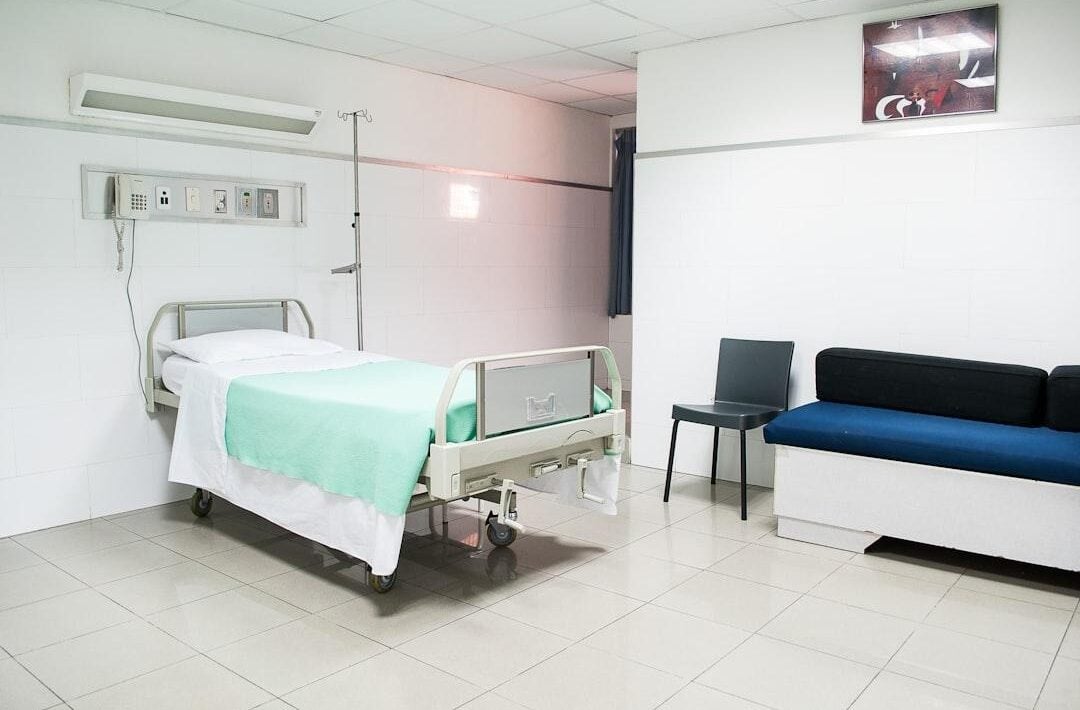
Emergency department boarding, where admitted patients wait in the ED for an inpatient bed, has become a persistent strain on hospitals. Boarding delays care, crowds the department, and contributes to clinician burden. Addressing it requires easing the flow of patients through the system.
In-home care options have entered the conversation as one way to relieve that pressure. By diverting appropriate patients and supporting earlier discharge, they can affect boarding. Understanding the link clarifies their value.
What Is ED Boarding?
ED boarding occurs when patients who need admission remain in the emergency department awaiting a bed. The delay can last hours or longer when inpatient capacity is full. During that time, the ED bed is unavailable for new arrivals.
Boarding reflects a mismatch between demand and capacity. It is a symptom of system-wide flow problems. The effects concentrate in the ED.
Why Does Boarding Happen?
Boarding happens when hospitals run near or at capacity. Without open inpatient beds, admitted patients have nowhere to move. The ED absorbs the backlog.
Health systems exploring ways to ease this bottleneck have looked to urgent medical care at home as a means of diverting suitable patients and supporting earlier discharge, both of which can free inpatient capacity that boarding depends on. The approach addresses flow from more than one direction.
High occupancy and discharge delays both contribute. Anything that improves flow can help. In-home options touch several points.
How Do In-Home Options Help?
In-home care can affect boarding through multiple mechanisms. The contributions include:
- Diverting appropriate patients away from admission
- Supporting earlier, safe hospital discharge
- Managing some conditions entirely at home
- Reducing avoidable ED arrivals upstream
- Following up to prevent readmission
Each mechanism eases pressure on inpatient beds. Freeing capacity shortens boarding. The effects compound across the system.
How Does Diversion Work?
Diversion means managing suitable patients outside the hospital entirely. When in-home care can handle a case safely, admission may be avoided. That avoidance preserves a bed for someone who needs it.
Appropriate selection governs diversion. Only suitable cases are managed at home. Safety remains the priority.
How Does Earlier Discharge Help?
Supporting earlier discharge frees inpatient beds sooner. When home-based care can continue treatment, patients may leave the hospital earlier. That turnover reduces the backlog driving boarding.
Home follow-up makes earlier discharge safe. Monitoring catches issues that might otherwise prompt readmission. The support sustains the benefit.
What Does This Mean for Hospitals?
For hospitals, in-home options offer a lever against a stubborn problem. Easing both admissions and discharges improves flow. The result can be less boarding and a less crowded ED.
Coordination is essential to realize the benefit. In-home care must integrate with hospital operations. That alignment turns potential into results.
What Are the Effects of Boarding?
Boarding affects patients, staff, and the wider hospital at the same time. Patients waiting for beds may face delays in specialized care. The crowded department also strains the clinicians working within it.
New arrivals feel the effects as well. When beds hold boarding patients, incoming cases wait longer to be seen. The pressure ripples outward through the department.
What Makes In-Home Diversion Safe?
Safe diversion depends on selecting only patients whose conditions suit home management. Programs apply clinical criteria before anyone is diverted. That screening keeps unsuitable cases inside the hospital.
Clear escalation paths support the approach further. If a diverted patient worsens, they can return to hospital care quickly. The safeguard makes diversion a responsible option.
How Widespread Is the Boarding Problem?
Boarding has been documented as a persistent issue across hospitals of varying size, with periods of particularly high strain during seasonal surges in illness. Surveys of emergency physicians have repeatedly identified it as one of the most significant operational challenges they face.
The scale of the problem has prompted attention from hospital administrators and health policy researchers alike. Addressing it is widely seen as a priority for improving both safety and staff wellbeing. That broad recognition has driven interest in solutions like in-home diversion.
What Metrics Do Hospitals Use to Track It?
Hospitals commonly track boarding through metrics such as average boarding time and the percentage of admitted patients waiting beyond a defined threshold. These figures help administrators quantify the scope of the problem and measure whether interventions are working.
Tracking trends over time also reveals whether new programs, including in-home diversion efforts, are having a measurable effect. Data-driven evaluation supports continued investment in approaches that show results. Metrics turn an intuitive problem into a manageable one.
What Broader Changes Complement In-Home Diversion?
In-home diversion tends to work best alongside other flow-improvement efforts, such as better discharge planning and more efficient bed management within the hospital itself. No single intervention resolves boarding on its own.
Hospitals that combine several approaches generally see more durable improvement than those relying on one lever alone. In-home care is one meaningful piece of a larger operational effort. Its contribution is real but works best in combination.
ED boarding stems from capacity and flow problems, and in-home care options can ease it by diverting suitable patients and supporting earlier discharge. Both mechanisms free the inpatient capacity boarding relies on.
For hospitals and patients, the practical lesson is that improving flow eases the ED. Capable in-home care is one tool toward that goal.