
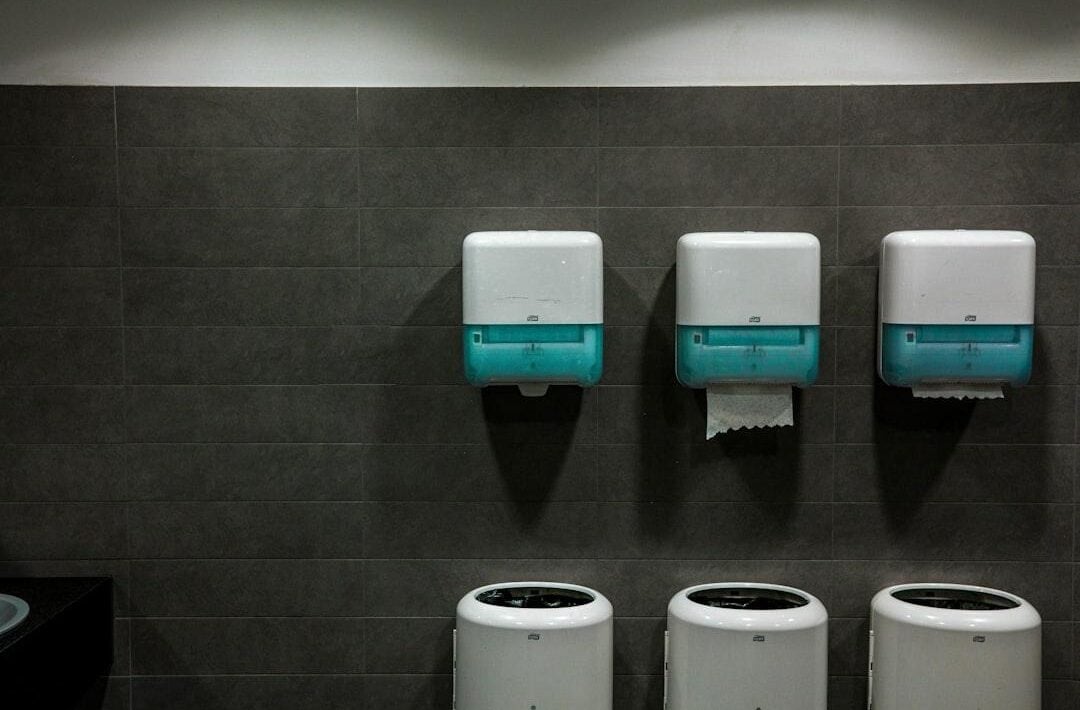
Few restroom debates are as persistent as hand dryers versus paper towels. Both methods dry hands effectively, yet they differ in cost, maintenance, and environmental impact. Facility managers weigh these factors when specifying drying solutions.
The right choice depends on the facility’s priorities and traffic. There is no single answer that fits every restroom. Understanding the tradeoffs leads to a better decision.
What Drives the Cost Difference?
The cost difference comes down to consumables versus electricity. Paper towels require ongoing purchase, storage, and disposal, while dryers consume power per use. Over years, the recurring expenses diverge significantly.
High-traffic facilities often find dryers reduce long-term operating cost. The savings come from eliminating continuous paper purchases. Lower-traffic sites may see less dramatic differences.
How Do Maintenance Demands Compare?
Maintenance demands differ in kind between the two methods. Paper systems need frequent restocking and generate waste that must be collected. Dryers shift the burden toward occasional cleaning and electrical upkeep.
Facilities aiming to cut consumable handling sometimes pair high-speed dryers with a smaller bank of commercial hand dryers to reduce restocking labor and limit the waste that paper systems generate. The shift changes the maintenance profile of the restroom.
Reduced restocking can free staff for other tasks. Fewer paper deliveries also simplify supply logistics. These operational effects factor into the decision.
What Are the Environmental Considerations?
Environmental impact is a frequent point in the comparison. The factors facilities weigh include:
- Paper waste volume and disposal requirements
- Electricity consumption of high-speed dryers
- Embodied resources in paper production
- Frequency of supply deliveries and transport
- Recyclability of the materials involved
Each method carries its own footprint across these factors. High-speed dryers have reduced per-use energy in recent designs. Facilities balance these considerations against cost.
How Does User Experience Differ?
User experience shapes preference between the methods. Some occupants favor the speed and tactile familiarity of paper. Others prefer the touch-free operation of modern dryers.
Drying time and noise influence those preferences. High-speed units dry quickly but can be loud. Facilities sometimes offer both to satisfy a range of users.
Which Suits High-Traffic Facilities?
High-traffic facilities lean toward solutions that minimize labor and waste. Fast electric dryers handle volume without constant restocking. Their throughput suits busy restrooms.
Some venues deploy a hybrid approach for resilience. Dryers handle the bulk of use while limited paper remains available. This balance covers both efficiency and preference.
What Should Facilities Decide?
Facilities should base the decision on traffic, budget, and values. Weighing consumable cost against energy use clarifies the tradeoff. The best choice reflects the specific restroom.
Durability and reliability matter regardless of method. Sturdy fixtures hold up under heavy use. That dependability protects the investment.
How Does Restroom Traffic Shape the Choice?
Traffic volume is often the deciding factor between the two methods. Busy restrooms strain paper systems with constant restocking demands. High-speed dryers absorb that volume more gracefully.
Lower-traffic facilities may find paper perfectly adequate. The restocking burden stays manageable at smaller scale. Matching the method to traffic avoids overinvesting either way.
What About Hygiene Perceptions?
User perceptions of hygiene differ between drying methods. Some occupants associate paper with cleanliness, while others prefer touch-free dryers. Both views are common in any building.
Modern dryer designs address several hygiene concerns directly. Features like filtration and touch-free operation reassure users. Facilities sometimes offer both to satisfy a range of preferences.
The hand dryer versus paper towel question has no universal answer, only tradeoffs in cost, maintenance, and impact. The data favors matching the method to the facility’s traffic and priorities.
How Has Dryer Technology Changed Recently?
High-speed hand dryer technology has advanced considerably over the past decade, with newer units drying hands in a fraction of the time older models required while consuming meaningfully less energy per use. Facilities still running older-generation dryers may find an upgrade pays for itself faster than expected.
Noise reduction has also improved alongside speed, addressing one of the most common complaints about earlier high-speed models. Quieter operation has made dryers a more comfortable option in noise-sensitive settings like healthcare waiting areas.
What Do Hygiene Studies Actually Show?
Studies comparing bacterial dispersal between drying methods have produced mixed and sometimes contested findings, with results varying by study design and the specific dryer technology tested. Facility managers should treat strong claims in either direction with some skepticism given this inconsistency.
What is more consistently supported is that thorough handwashing beforehand matters more to overall hygiene than the drying method chosen afterward. Drying method is a secondary consideration relative to ensuring soap and water are used properly in the first place.
How Do LEED and Sustainability Certifications Factor In?
Green building certification programs like LEED award points for reduced paper waste, which has pushed some facilities toward hand dryers as part of a broader sustainability strategy rather than a standalone restroom decision. This certification angle can shift the calculation for facilities pursuing those credentials.
Facilities not pursuing formal certification can still apply the same sustainability logic informally when comparing options. Waste reduction goals increasingly factor into restroom fixture decisions even outside a formal certification framework.
For facility managers, the practical lesson is to weigh recurring consumable costs against equipment and energy. A solution chosen to fit the space serves it best over the long run.