
When we think about the healthcare sector, our minds immediately jump to the sterile environments we see on television. We picture bright LED surgical lights, robotic arms performing delicate procedures, and high-tech MRI scanners humming in quiet rooms. We think of doctors, nurses, and the pharmaceutical breakthroughs that save lives.
But the reality is that the healthcare industry is deeply dependent on physical infrastructure. Hospitals don’t just appear out of thin air; they are engineered, built, and maintained by heavy machinery. From the compact excavators digging the trenches for fiber optic cables to the skid steers clearing snow from an emergency room bay, the medical world relies heavily on the construction industry to function.
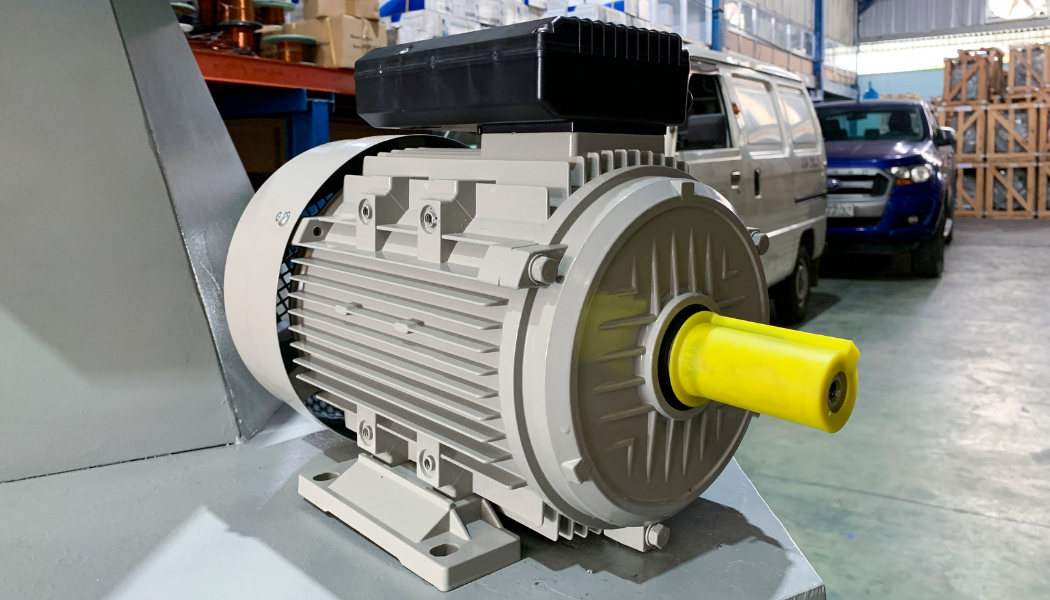
At the heart of these machines are final drive motors. These heavy-duty hydraulic components provide the torque and power necessary to move the tracks on excavators and compact track loaders. While a hydraulic motor might seem light-years away from a stethoscope, it is a critical piece of the puzzle. Without the raw power to move earth, the sophisticated world of modern medicine literally has no ground to stand on.
Here is a look at the invisible, yet vital, link between heavy equipment and patient care.
1. The Urgent Care Boom and Urban Construction
One of the biggest shifts in healthcare recently has been the move away from massive, centralized hospitals toward localized “micro-hospitals” and urgent care centers. Healthcare is moving closer to the patient, often into crowded suburban strip malls or dense urban centers.
Building these facilities requires a specific type of machinery. You can’t fit a massive mining excavator into a city street corner. Contractors rely on mini-excavators and compact track loaders to dig foundations and grade parking lots in tight spaces.
This is where the reliability of the final drive motor becomes a logistical necessity. In a tight construction schedule—where a clinic needs to open before flu season hits—there is no margin for downtime. If a drive motor fails on the primary excavator, the foundation isn’t poured, the steel isn’t erected, and the facility doesn’t open. The efficiency of these hydraulic motors ensures that healthcare expansion keeps pace with population growth.
2. The Lifelines: Utilities and Connectivity
A modern hospital is essentially a small, self-contained city. It consumes massive amounts of water and electricity, and it requires redundant backup systems to ensure a power outage doesn’t turn into a tragedy. Furthermore, with the rise of telemedicine and digital record-keeping, hospitals require high-speed fiber optic connections that never falter.
Who lays these lines?
- The water mains that feed the sterilization machines are buried by excavators.
- The complex electrical grids that power the ventilators are trenched by heavy machinery.
- The fiber optics that allow a radiologist in New York to read a scan from rural Mississippi are laid underground by compact utility equipment.
The precision required to dig around existing infrastructure without causing a blackout or a gas leak relies on the smooth operation of the machine’s drive system. A jerky, failing motor makes precision digging impossible. In this sense, the mechanical integrity of a construction machine directly impacts the operational integrity of the hospital it serves.
3. Emergency Access and Disaster Response
The relationship between heavy machinery and healthcare becomes most visible during a disaster. When a tornado, hurricane, or blizzard hits, the first responders are not the paramedics; they are the operators. If the roads are covered in three feet of snow or blocked by fallen oak trees, an ambulance is essentially a paperweight.
Skid steers and track loaders equipped with powerful final drives are the first line of defense in emergency management. They push the snow out of the ambulance bays to ensure the ER doors can open. They clear the debris from the highway so that medical supplies can get through.
In rural areas, where unpaved roads can wash out, heavy machinery is often used to rebuild the path for emergency vehicles in real-time. In these high-stakes moments, the torque provided by a final drive motor isn’t just moving dirt; it is clearing the path for survival.
4. The Supply Chain of Sanitation
We learned valuable lessons about the medical supply chain in recent years. We learned that masks, ventilators, and vaccines need to be manufactured, stored, and shipped with incredible speed.
This has led to a boom in the construction of specialized warehousing and cold-storage facilities. These massive logistics hubs require perfectly level concrete floors and extensive site preparation. The grading tractors and dozers that prepare these sites rely on their drive motors to push tons of earth day after day.
If the machinery that builds the warehouse fails, the supply chain will be bottlenecked. It is a butterfly effect: a broken gear in a hydraulic motor in Ohio can delay the construction of a distribution center, which eventually delays the shipment of medical supplies to a clinic in Texas.
5. Landscaping as Healing
Finally, there is the aspect of patient recovery. Modern hospital design places a huge emphasis on healing gardens and outdoor spaces. Studies consistently show that patients recovering from surgery or dealing with chronic illness have better outcomes when they have access to nature and green space.
Creating these serene courtyards in the middle of a hospital complex is a landscaping challenge. It involves moving heavy boulders, planting mature trees, and shaping the terrain. This is the domain of the compact excavator.
These machines, powered by their final drives, sculpt the environment that aids in mental and physical recovery. They transform a sterile concrete lot into a place of peace for patients and exhausted staff members.
It is easy to compartmentalize industries. We tend to put construction in one box and healthcare in another. But the modern world is an ecosystem. The doctor relies on the internet connection, which relies on the fiber optic cable, which relies on the trench, which relies on the excavator, which relies on the final drive motor.
So, the next time you drive past a hospital construction site and see a muddy excavator chugging along, remember that it isn’t just moving dirt. It is building the foundation for the next generation of care. The healthcare sector doesn’t just run on medicine; it runs on torque, hydraulics, and the heavy iron that paves the way.