
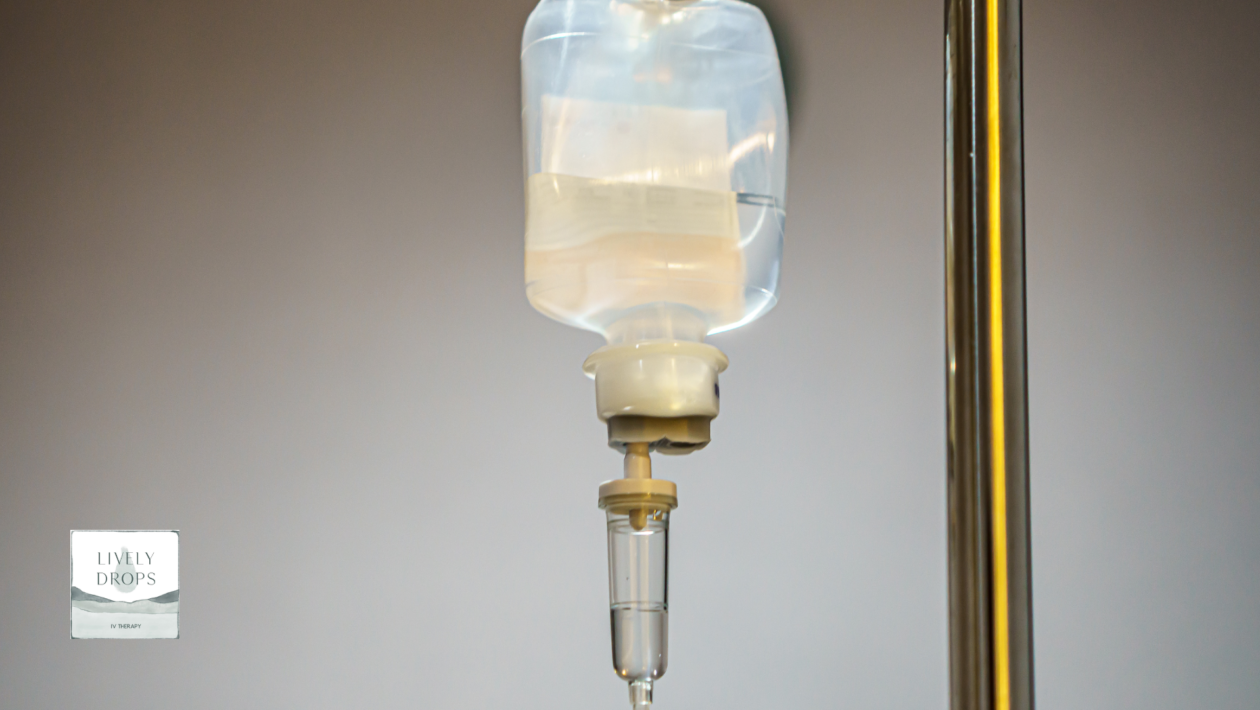
A licensed registered nurse places the catheter and runs the infusion. Behind that nurse sits a physician or nurse practitioner who wrote the order and signed off on the protocol. Anyone booking IV hydration should know both roles exist, because the second one is invisible and easy to skip. Credentials are the difference between a medical service and a person with a needle. Here is who is legally allowed to touch the vein, and what to verify before they do.
The Two People Behind Every Legitimate Infusion
An infusion involves two separate licenses, even when only one person shows up at your door.
The person in the room
- Registered nurse, or RN: assesses you, selects the vein, places the catheter, monitors the infusion, and responds to reactions.
- Paramedic: licensed for IV access in some settings, working under medical direction.
- Licensed vocational nurse, or LVN: may start and maintain peripheral IVs in California, but only with a separate IV certification from the vocational nursing board.
The person who authorized it
- Physician or nurse practitioner: reviews your intake, writes the standing order, and serves as medical director.
- This person often never meets you, which is normal, but the order must exist before a single drop runs.
California law makes this explicit. Under the Nursing Practice Act, a registered nurse administers medications and therapeutic agents as ordered by a licensed provider, and functions that overlap with medicine require written protocols developed with a physician. No order, no infusion. A mobile company operating without that structure is operating outside the law.
What an RN Actually Does During the Visit
Placing a catheter is the visible part. The clinical judgment around it is the part you are paying for.
Before the needle
- Review your medical screening and current medications.
- Records baseline blood pressure, heart rate, and temperature.
- Confirms the ordered formula matches your intake and flags anything that does not fit.
- Check the bag, the label, and the expiration date against the order.
- Inspects both arms and selects a vein, usually in the forearm or the back of the hand.
During and after
- Monitors the site for swelling, which signals the fluid is entering tissue instead of the vein.
- Watches for allergic reactions, and carries the medications to treat one.
- Adjusts the flow rate, since pushing fluid too fast strains the heart.
- Remove the catheter, hold pressure, and confirm you are stable before leaving.
That monitoring is what separates clinical IV hydration from a novelty service. Lively Drops staff licensed nurses and paramedics under physician oversight for exactly these reasons, and the same clinical checks apply whether the infusion happens in a clinic or a living room.
The Credentials That Are Not Enough
Titles get blurred in wellness marketing, and some sound more clinical than they are.
Not licensed to place an IV on their own
- Medical assistant: no independent IV authority in California.
- Phlebotomist: certified to draw blood, which is a different procedure from placing an indwelling catheter and running fluids into it.
- Aesthetician or wellness coach: no clinical licensure at all.
- An LVN without IV certification: the base license alone does not cover it.
Rules vary by state, which is why a company operating in several states may not follow identical staffing everywhere. In California, an LVN needs a board-approved IV therapy course before starting a line. A paramedic works under medical direction rather than independently. Anyone searching IV hydration providers should ask which license the person arriving actually holds, not which uniform they wear.
Scrubs are not a credential. Neither is a company logo, a clean kit, or a confident manner. The license is the credential, and it is a public record you can check yourself in about sixty seconds. Lively Drops lists its clinical staffing openly, and a nurse who cannot produce a license number is not a nurse you should let near a vein.
Questions to Ask Before Anyone Arrives
Vetting a provider takes about two minutes on the phone, and any real company answers without hesitating.
Ask directly
- What license does the person coming to my home hold, and what is their license number?
- Who is the medical director, and are they a physician or nurse practitioner?
- Will a provider review my intake before the nurse arrives?
- What is in the bag, including exact ingredients and doses?
- What happens if I have a reaction, and what medications will the nurse carry?
California licenses can be verified free on the Board of Registered Nursing website, which takes under a minute. A provider who hesitates on the medical director question is the loudest red flag available. Our team answers all five of these before booking, and the medical screening happens before a nurse is dispatched, not after.
What Physician Oversight Actually Means
Oversight is the least understood part of the model, and the part most often missing.
What a medical director does
- Approves the formulas and the doses on the menu.
- Writes the standing orders that let a nurse infuse without a separate visit.
- Sets the screening criteria that decide who gets declined.
- Establishes the emergency protocol for adverse reactions.
Screening is where oversight earns its keep. Kidney disease, heart failure, uncontrolled blood pressure, and pregnancy all change the calculation, because a liter of saline delivers a real sodium and volume load to a body that may not clear it. A nurse following a proper protocol declines those cases or routes them to a physician. A nurse without one may not know to ask. That gap is the actual risk in this industry, and it has nothing to do with the needle.
Vitamin doses deserve the same scrutiny. High-dose infusions are not risk free, and the person authorizing them should be a licensed prescriber who has seen your history. Someone with a G6PD deficiency, for instance, can react badly to high-dose vitamin C, and that is a screening question, not a guess. Proper IV hydration protocols catch it before the bag is hung.
Checking Credentials Before You Book
The right answer to who administers the IV is a licensed nurse or paramedic, working from an order written by a physician or nurse practitioner, following a screening protocol that can tell you no. Ask for the license. Ask for the medical director. Ask what happens if something goes wrong. Providers with real structure answer plainly, and the ones without it change the subject.
Lively Drops sends licensed clinicians across Long Beach, the beach cities, and greater Los Angeles, with a provider reviewing every intake first. Call (562) 665-2822 and ask us any of the questions above.