
There is a concept in physics that a tiny, almost imperceptible change in one part of a system can completely alter the outcome of an entire event miles away. In the high-stakes world of early-phase clinical research, this butterfly effect happens every single day. If you pay attention to the biotech and pharma circles this week, everyone is talking about the relentless push for compressed development timelines. With specialized therapies and localized medicine moving at a frantic pace, companies are under immense pressure to squeeze every second out of their Phase 1 schedules.
But when a trial falls behind, we rarely look at the smallest gears in the machine. We look for grand, dramatic excuses like global regulatory shifts or macro supply chain disruptions. The reality, however, is much more mundane. A clinical program does not usually fail because of a massive scientific crisis; it stalls because a single blood sample sat on a loading dock too long, or because a medical writer three time zones away didn’t understand how a nurse on the floor actually inputs data. The smallest operational gaps are the ones that quietly compound into multimillion dollar delays.
The True Cost of Distance
We have been conditioned by years of corporate restructuring to believe that breaking a business into decentralized pieces is the peak of modern efficiency. A sponsor builds a protocol with an isolated consulting group, runs the trial at a contracted clinic in one state, ships the biological samples to a laboratory in another state, and hands the data over to a remote writing team across the ocean. On a spreadsheet, this looks like an elegant distribution of labor.
On the clinic floor, it feels like trying to conduct a symphony where every musician is sitting in a different building.
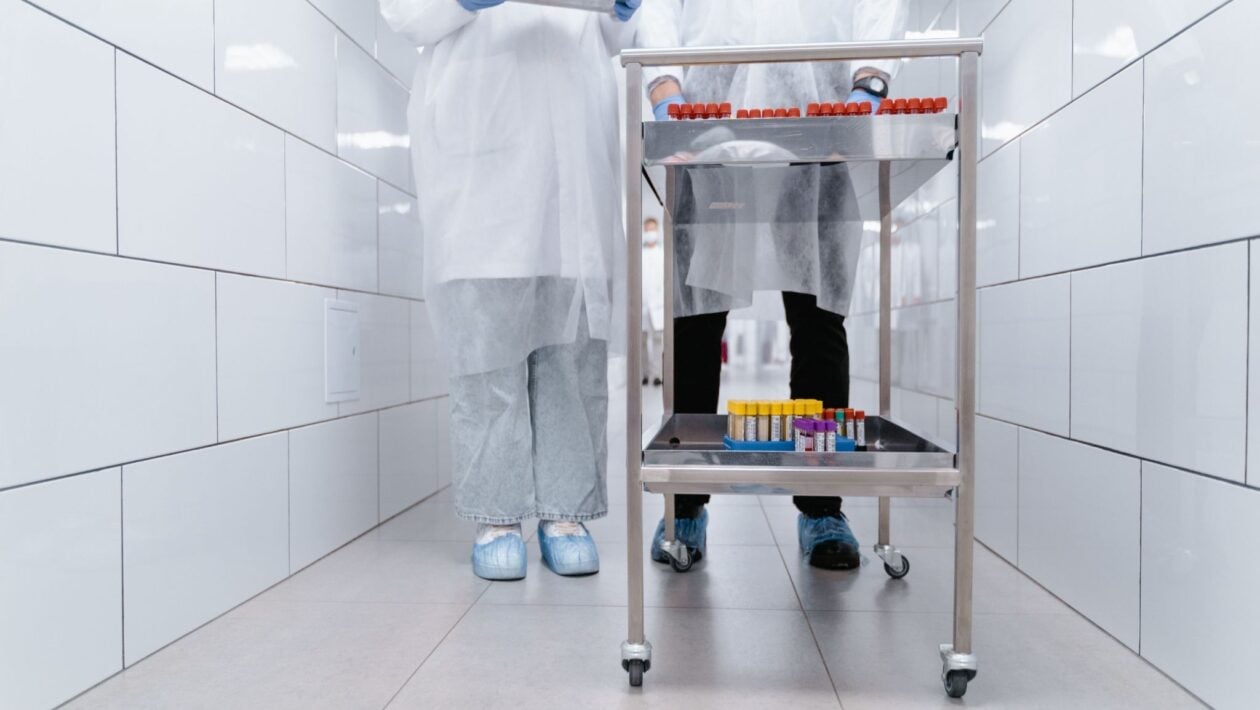
Consider a standard dose-escalation study, where the safety of the next group of human volunteers depends entirely on how the previous group processed the compound. If those critical blood samples have to be packed into dry ice, logged onto shipping manifests, and flown across the country to an external central lab, you have effectively surrendered control of your timeline to the logistics gods. A canceled flight, a customs delay, or a simple labeling mix-up at a third-party facility doesn’t just pause the lab work; it freezes the entire clinic. The volunteers wait, the clinical beds stay occupied, and the budget burns. True agility cannot be achieved through a courier service. It requires absolute physical proximity.
When the Lab is Down the Hall
When you eliminate the geographic gap between the patient and the scientist, the entire dynamic of the research shifts. Imagine a setting where the bioanalytical laboratory is not a distant destination, but a secure room located just a short walk from the volunteer beds. The moment a sample is drawn, it is immediately processed and analyzed by a team working in perfect alignment with the clinical staff.
This structural unity completely changes how real-time safety decisions are made. Instead of waiting days for an external report to trickle back through an online portal, investigators can sit down with laboratory scientists to review pharmacokinetic data hours after a dose is administered. This is the exact philosophy that leaders like Dinkar Sindhu have integrated into the operational core of AXIS Clinicals. Maintaining an expansive, 200+ bed clinical footprint directly alongside an in-house bioanalytical ecosystem is not just a logistical advantage; it is a structural buffer against the friction that normally derails a trial. It forces the communication lines to stay completely flat.
When the people analyzing the data are standing right next to the people collecting it, the quiet errors that typically cause study lag simply disappear. The pharmacy, the safety lab, and the clinical units operate as a single nervous system, allowing the science to move safely at the true speed of digital data.
The Writing on the Wall
This need for seamless integration is just as vital when it comes to the heavy administrative burden of a trial. We often treat medical writing as a clerical afterthought, outsourcing the creation of study protocols or final Clinical Study Reports to freelance writers who have never set foot inside the facility. This creates a subtle but profound risk. A protocol written in a vacuum often fails to account for the physical realities of a busy clinic floor, leading to immediate protocol amendments and scheduling bottlenecks.
Having efficient medical writing services operating inside the exact same physical and digital ecosystem transforms the documentation process. When the writers are embedded in the daily workflow, they write protocols that are operationally sound and visually clean. They can translate complex scientific intent into clear instructions for a nurse holding a syringe.
Furthermore, when the study concludes, data management and writing happen in lockstep. Because the internal data architecture is captured cleanly via integrated eSource systems, transcription errors are completely bypassed. The final reports are compiled with a level of organic accuracy that effortlessly withstands the scrutiny of global regulatory audits, ensuring that the momentum gained on the clinic floor carries all the way to the regulatory finish line.
Ultimately, keeping a complex clinical program on track isn’t about finding a magic technological shortcut. It is about realizing that every single piece of the scientific process is connected by a human thread. By centralizing infrastructure, removing vendor boundaries, and keeping the focus on the actual physical space where discovery happens, we can turn the unpredictable journey of drug development into a reliable, streamlined path forward.