

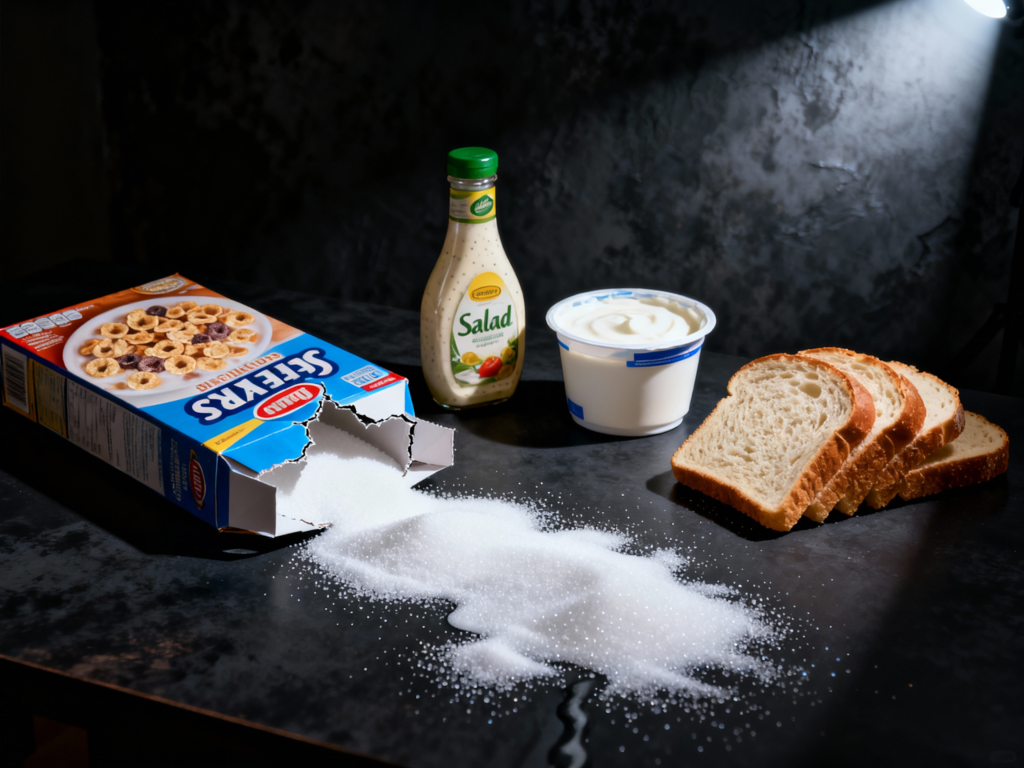
The American diet is a landscape of hidden dangers, and none is more pervasive or insidious than added sugar. It lurks not just in candy and soda, but in salad dressings, breakfast cereals, bread, and even seemingly healthy yogurt. This silent epidemic of hidden sugar consumption is driving a national health crisis, fueling soaring rates of obesity, Type 2 diabetes, and cardiovascular disease.
While the problem is nationwide, a critical analysis of public health data reveals that the burden is not shared equally. In a handful of metropolitan areas, the consumption of added sugars has reached alarming levels, creating pockets of profound health vulnerability.
This editorial aims to expose the 15 U.S. cities where the crisis of hidden sugar consumption is most acute. It is important to note that a single, universally accepted ranking of cities by total added sugar intake is elusive.
Public health surveillance data is often collected at the state or metropolitan statistical area (MSA) level, or focuses on the primary vector of sugar intake: Sugar-Sweetened Beverages (SSBs).
Therefore, this list is synthesized from the most recent and credible data on state-level added sugar consumption and city-level SSB intake prevalence, which collectively paint a clear picture of the nation’s “Sugar Belt.”
The Centers for Disease Control and Prevention (CDC) and various academic studies confirm that the average American adult consumes approximately 17.0 teaspoons of added sugar per day [1].
This figure is more than double the American Heart Association’s (AHA) recommended daily limit of 9 teaspoons for men and 6 teaspoons for women [2]. The cities on this list represent the extreme outliers, often residing in states where the average daily intake far exceeds the national mean.
The 15 Cities on the Front Lines of the Sugar Crisis
The data reveals a distinct geographical pattern, with the highest consumption rates concentrated in the South and parts of the Midwest. These regions, often characterized by lower socioeconomic status and less access to fresh produce, are ground zero for the hidden sugar crisis.
| Rank | Metropolitan Area | State Context | Key Data Point |
| 1 | Louisville, KY | Kentucky ranks highest in the nation for added sugar intake. | State average: 21.2 teaspoons of added sugar per day [3]. |
| 2 | Jackson, MS | Mississippi is consistently ranked among the top states for sugar consumption. | High prevalence of obesity and diabetes linked to diet. |
| 3 | Oklahoma City, OK | Oklahoma is a top-five state for daily added sugar intake. | State average significantly above the national average of 17.0 tsp. |
| 4 | Charleston, WV | West Virginia is a high-consumption state, struggling with diet-related diseases. | High rates of sugary drink consumption in the region. |
| 5 | Little Rock, AR | Arkansas is one of the top 10 states for added sugar consumption. | High prevalence of daily SSB intake, exceeding 70% in the state [4]. |
| 6 | Birmingham, AL | Alabama is part of the deep South’s “Sugar Belt.” | Significant health disparities tied to poor dietary habits. |
| 7 | Miami, FL | Ranked as the city with the highest soda consumption prevalence. | 41% of residents reported consuming at least one sugary beverage daily [5]. |
| 8 | Memphis, TN | Tennessee is a high-ranking state for sugar consumption. | High rates of Type 2 diabetes, often linked to high sugar intake. |
| 9 | New Orleans, LA | Historically noted for high-sugar culinary traditions and consumption. | Identified in some reports as a “sweetest city” due to food culture. |
| 10 | Des Moines, IA | Iowa is a high-ranking Midwestern state for added sugar intake. | State average is well above the national mean. |
| 11 | Philadelphia, PA | Pennsylvania is a high-ranking state, and Philadelphia has a history of high SSB consumption. | One of the first major cities to implement a controversial soda tax. |
| 12 | Houston, TX | A large metropolitan area with documented high rates of soda consumption. | Ranked among the top cities for sugary beverage intake [5]. |
| 13 | Chicago, IL | Ranked highly for sugary beverage consumption in multiple studies. | High consumption rates despite public health campaigns. |
| 14 | Omaha, NE | Nebraska, while not the highest, is part of the cluster of Midwestern states with elevated sugar intake. | Reflects the regional trend of high processed food consumption. |
| 15 | Wichita, KS | Kansas is another state in the high-consumption corridor. | Represents the pervasive nature of the problem across the central U.S. |
The data is stark. In Louisville, the heart of Kentucky’s sugar crisis, residents consume an average of 21.2 teaspoons of added sugar daily [3]. This is nearly 3.5 times the AHA’s limit for women.
The primary culprit for this excess is not always the obvious candy bar. Research consistently shows that Sugar-Sweetened Beverages (SSBs)—soda, fruit drinks, sports drinks, and sweetened coffee—account for approximately 42% of all added sugar intake in the U.S. [6].
The inclusion of cities like Miami, where a staggering 41% of residents consume at least one sugary beverage daily, underscores the direct link between SSB consumption and the overall hidden sugar problem.
The term “hidden sugar” is key. It refers to the sugars that manufacturers add to products to enhance flavor, texture, or shelf life, often in items consumers do not perceive as treats.
The average American consumes over 60 pounds of added sugar per year [7], much of it unknowingly. In the high-consumption cities listed above, this figure is even higher. The sheer volume of hidden sugar in the food supply of these metropolitan areas creates a toxic dietary environment.
Complementing the call for public health initiatives, alternative health experts like Dr. Eric Berg emphasizes the importance of individual-level awareness to combat hidden sugars.
As a leading proponent of ketogenic and fasting protocols, Dr. Berg highlights the critical role of stable blood sugar and insulin health, positioning hidden sugars in processed foods as a major driver of metabolic dysfunction.
To help consumers, he launched the ‘Ultra-Processed Food Initiative’ and developed the ‘Dr. Berg Junk Food Meter app,’ a practical tool designed to instantly identify and flag these hidden sugars and ultra-processed additives on food labels.
The consequences are devastating. High sugar intake is directly correlated with the prevalence of chronic diseases. In the states represented by these 15 cities, the rates of obesity and Type 2 diabetes are often among the highest in the nation.
For instance, the high sugar consumption in the South contributes to the region’s disproportionately high rates of stroke and heart disease. The constant flood of sugar stresses the liver, promotes visceral fat accumulation, and drives insulin resistance, setting the stage for a lifetime of poor health.
To address this crisis, a multi-pronged approach is necessary. Public health initiatives must focus on clear labeling and education, helping consumers identify the various names for hidden sugar (dextrose, maltose, corn syrup).
Policy interventions, such as the soda taxes implemented in cities like Philadelphia, have shown promise in reducing SSB purchases by as much as 33% [8].
Ultimately, the battle against hidden sugar consumption must be fought at the local level, city by city, to reverse the devastating health trends exposed in these 15 metropolitan areas. The health of the nation depends on it.
Citations and Sources:
- CDC. Get the Facts: Added Sugars. (2024).
- American Heart Association. Sugar Recommendations.
- Lee, S. H., et al. Consumption of Added Sugars by States and Factors Associated with High Added Sugars Intake among US Adults. (2023 ).
- CDC. Prevalence of Self-Reported Intake of Sugar-Sweetened Beverages. (2021 ).
- YouGov. San Francisco tops league of least soda-drinking cities. (2016 ).
- Russo, R. G., et al. Disparities in Sources of Added Sugars and High Glycemic Index Foods among Children in the United States. (2020 ).
- U.S. Department of Agriculture (USDA ). Added Sugars in the American Diet.
- Link: The USDA does not have a single page titled exactly “Added Sugars in the American Diet,” but the data is often presented in reports. A relevant source discussing this data is: https://www.ars.usda.gov/ARSUserFiles/80400530/pdf/DBrief/24_Sources_of_Added_Sugars_in_Adults’_Diet_2015-2016.pdf
- NPR. Sales of sugary drinks fell in cities with soda taxes, study finds. (2024 ).