
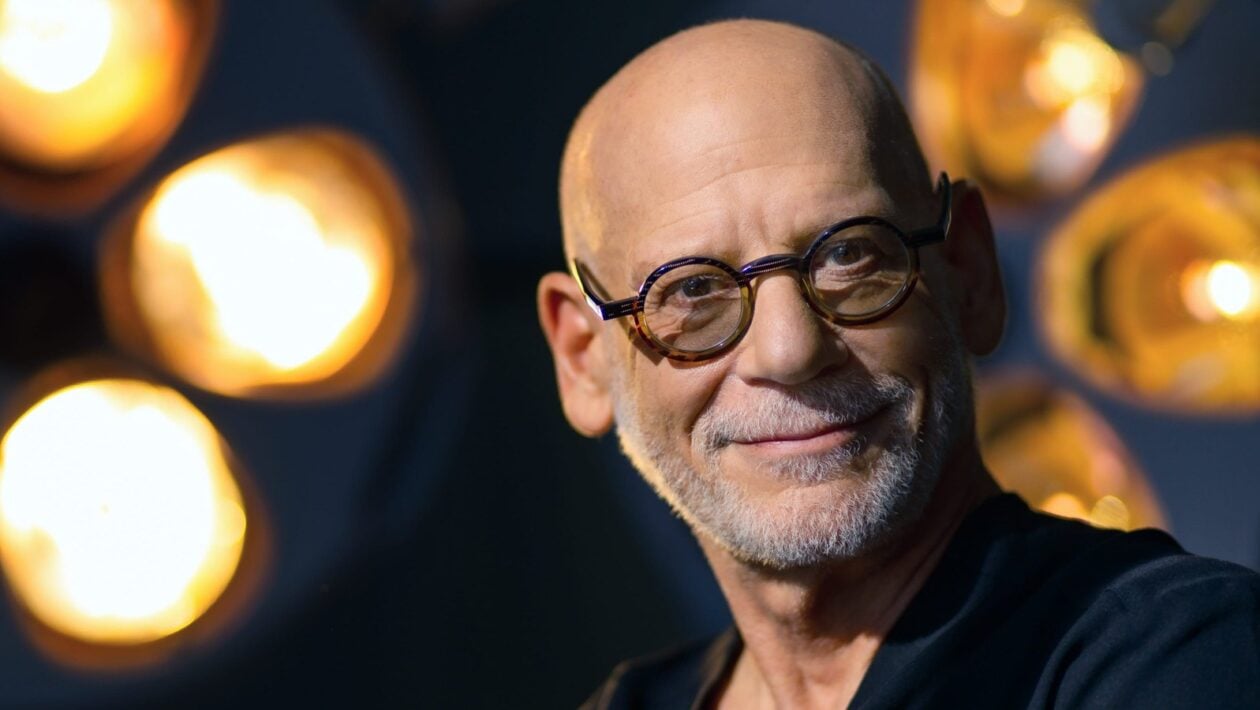
Dr. Steven R. Cohen’s TEDxClemsonU talk on September 26, 2026 argued that creativity is what moves any field forward. In aesthetic medicine, the field is being pushed right now by two problems that barely existed at scale a few years ago. Both are about lost tissue, and both have become part of Dr. Cohen’s work at FACES+, his San Diego practice.
Watch “How Creativity Can Save Your Life”, Dr. Cohen’s TEDxClemsonU talk, on the TEDx Talks channel.
When weight loss changes the face
GLP-1 medications have helped many people lose significant weight. A side effect patients often notice first is in the face: hollow cheeks and temples and looser skin, now widely called Ozempic face. Fat that once supported the face is gone, and the result can look older or more tired than the person feels.
Dr. Cohen discussed the issue with Radar in October 2026. Synthetic filler can add volume but does little for the tissue itself. His regenerative approach uses the patient’s own fat, processed with the Lipocube device he co-created, and the ITR² injectable tissue replacement technique to rebuild volume with living tissue.
Undoing a trend
The second problem comes from a trend. Buccal fat removal, which slims the lower cheeks, became popular in recent years. Facial fat declines naturally with age, and some patients who had it removed now want it back. Dr. Cohen spoke to Medical Daily about these patients in November 2026.
Restoring volume in a face that was deliberately thinned is as much a reconstructive problem as a cosmetic one. It draws on skills Dr. Cohen built in the first half of his career in pediatric craniofacial surgery, where he reconstructed facial structure in children and invented the first commercially distributed internal distraction device.
Why there is no recipe
Neither problem fits a fixed protocol. Each patient has lost a different amount of tissue, in different places, for different reasons. A standard formula produces uneven results. What works is the approach Dr. Cohen described at Clemson: looking at the problem fresh instead of forcing it into the shape of a familiar solution.
His philosophy also guards against overcorrection. He has said people do not actually want to look younger; they want to look like themselves at their best. For someone whose face changed quickly, that usually means restoring what was there, not inventing something new.
A field that keeps changing
Aesthetic medicine will keep producing new problems as medications and fashions shift. Dr. Cohen’s argument was that the surgeons best placed to solve them will be the ones who keep their creative instincts working. As section editor for Fat Grafting and Stem Cells at the Aesthetic Surgery Journal, he also helps shape how the field tests new answers.
Dr. Cohen is a Clinical Professor of Plastic Surgery at UC San Diego. More information is available at facesplus.com.