
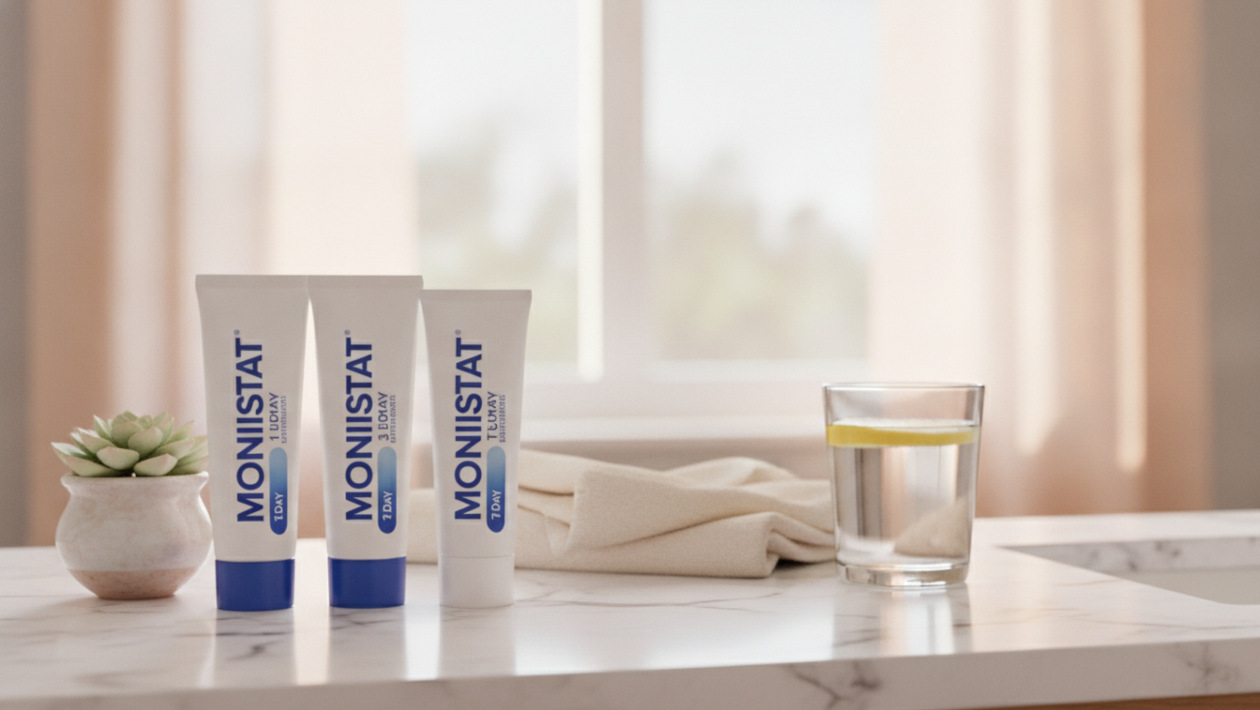
Feeling stuck and uncomfortable today? Many women know that sudden symptoms can disrupt work, plans, and sleep. You deserve fast care that gets you back to normal.
Choose what fits your schedule: 1-day, 3-day, or 7-day formats, plus creams, wipes, and tablets. Many stores offer same-day delivery or store pickup so you can find relief without delay.
If you want practical tips and quick steps to feel better, check a trusted guide on rapid care at how to get rid of a yeast infection in 24.
Key Takeaways
- Fast options include 1-day, 3-day, and 7-day treatment plans to suit needs and schedules.
- Retail price for a 1-day option is around $23.99; 7-day courses often start near $17.99.
- Products come as creams, wipes, or tablets to match personal preference.
- Same-day delivery and store pickup make quick care accessible today.
- Selecting the right plan helps you return to normal life with reliable relief.
Understanding Vaginal Yeast Infections
Sudden vaginal discomfort usually shows up with a few recognizable clues. Knowing what to watch for helps you act fast and choose the right care.
Common Symptoms
A typical yeast infection causes intense itching and unusual discharge. Many women report redness and soreness around the vagina.
If you notice persistent itch or burning, treat signs promptly or discuss them with a clinician. Early attention often prevents worsening symptoms.
Identifying the Cause
Vaginal yeast results from an overgrowth of Candida, which normally lives in the body. Changes in pH or antibiotics can tip the balance and let yeast multiply.
Because vaginal yeast infections are common, recognizing triggers helps you avoid repeat episodes. Persistent or severe signs may need a different diagnosis, so seek professional advice if symptoms do not improve.
- Tip: Track triggers like antibiotics, hormones, or tight clothing.
- Note: If you can’t get relief or signs worsen, see a provider.
What is Monistat Yeast Infection Treatment
This brand offers targeted topical treatments designed to stop fungal overgrowth and restore balance quickly.
Monistat is a well-known product line that delivers over-the-counter infection treatment for vaginal discomfort. The goal is simple: stop the fungus from multiplying and help the area return to its normal pH.
People trust these products because they are formulated to ease burning and itching and provide fast, steady relief. The active ingredient targets the specific organism responsible and helps speed recovery.
“Choosing the right treatment begins with a correct diagnosis.”
Before starting any regimen, confirm the cause of symptoms with a clinician or a test. Using the wrong product can delay proper care.
- Quick benefit: Designed to relieve discomfort fast.
- How it works: Stops fungal growth to restore balance.
- Tip: Verify your condition before use for best results.
How Miconazole Nitrate Works
Miconazole nitrate acts directly on fungal cells to halt their growth and restore balance.
Miconazole nitrate is the active antifungal found in many over-the-counter options. When applied to the affected area, it targets the organism that causes common vaginal symptoms and helps treat vaginal yeast.
The compound disrupts fungal cell walls and stops cell division. This action prevents further spread and lets natural recovery begin.
Because miconazole is applied locally, it delivers focused relief where it is needed most. Many healthcare providers recommend this targeted approach to treat yeast infections at home.
The nitrate form helps the medication stay stable and effective during the course of treatment. Understanding this component can make you more confident in the safety and results of your chosen plan.
“Knowing how an antifungal works helps you choose the right product with confidence.”
- Key benefit: Targets fungal cells directly.
- How it helps: Disrupts cell walls to stop spread.
- Provider note: Commonly recommended for at-home care.
Comparing Treatment Durations
Different timeframes offer trade-offs between speed, comfort, and cost. Pick a plan that fits your schedule, sensitivity, and budget.
One Day Options
Fast relief: The one day option uses a high‑strength 1,200 mg ovule insert for rapid symptom relief. This single insert is ideal for people with busy days who want a quick course.
Three Day Course
The three day course balances speed and convenience. You can choose between prefilled applicators or a traditional cream plus applicator for easier daily use.
This option suits those who want a short series of doses without a very high single dose.
Seven Day Gentle Treatment
The seven day course offers the gentlest approach. It is the only option recommended by the Centers for Disease Control and Prevention for pregnant individuals.
- All products use miconazole nitrate to target the relevant organism.
- The 7‑day cream is often the most affordable in overall price.
- Choose inserts or ointment styles based on comfort and lifestyle.
Benefits of the Monistat Combination Pack
A combination pack pairs internal and external care so you can address symptoms from every angle.
The kit includes an internal treatment insert and an external itch relief cream. The insert works where the problem starts while the topical cream soothes outside soreness.
Using the external itch cream during the day lets you manage comfort while the internal medication does its job. This dual-action approach supports daily routines and reduces downtime.
Many users report the added topical cream makes the overall experience more comfortable and effective. It helps calm burning, reduce redness, and provides fast relief where you can feel it.
“A dual pack treats both internal and external symptoms for fuller, faster comfort.”
- Comprehensive relief: Both internal and external symptoms are addressed.
- Daytime comfort: Topical cream is easy to apply and wears discreetly.
- Convenience: One purchase covers two key needs at once.
| Feature | What it does | Benefit |
| Internal insert | Targets the root cause | Works overnight for faster relief |
| External itch cream | Soothes outside irritation | Comfort during the day |
| Dual pack | Combined approach | Comprehensive, practical care |
Using Tioconazole Ointment for Sensitive Skin
A one‑day ointment formulated for sensitivity gives targeted care without added harshness.
Tioconazole ointment is an excellent option for people with delicate skin who may react to standard creams. The formula focuses on gentle relief while addressing the root cause.
This ointment often comes in prefilled applicators, which makes nighttime use simple and hygienic. Prefilled applicators reduce mess and help you apply the right dose.
Because tioconazole is made for sensitivity, the ointment soothes without adding irritation. Many users find the external cream component calm and comfortable during the day.
The single‑day treatment option lets you complete care quickly. At competitive price points compared with other over‑the‑counter lines, this ointment is a practical option for targeted relief.
“Choosing a gentler ointment can lower the chance of skin reactions while you treat symptoms.”
- Benefit: Gentle formula for sensitive skin.
- Convenience: Prefilled applicators for easy, hygienic use.
- Quick result: One‑day option reduces treatment time and discomfort.
Step by Step Application Guide
Follow a few simple steps to get the most from your at‑home treatment. Proper technique helps the product work well and speeds comfort.
Proper Insertion Techniques
Start with clean hands. Wash thoroughly before you touch prefilled applicators or an ovule insert.
- Lie down on your back with knees bent. This position makes insertion easier and more comfortable.
- Hold the applicator steady and slowly insert it as directed. Push the plunger gently to release the cream or ovule.
- Make sure the medication reaches as far as you can comfortably place it for best results.
- After insertion, apply a small amount of the external itch relief cream to the surrounding skin to ease soreness.
- Dispose of the used applicator immediately after use to keep the area clean and safe.
For sensitive skin, a gentle ointment can reduce irritation during a one‑day treatment. Read the instructions that come with your product to confirm dosage and timing.
“A calm routine and correct placement make treatment more effective and comfortable.”
Safety Precautions and Best Practices
Before you start treatment, a few clear precautions keep recovery smooth and safe.
Follow Centers for Disease Control and Prevention guidance: avoid tampons and douches during therapy. These can interfere with topical cream and slow healing.
Do not scratch the area around the vagina. Scratching raises the risk of added irritation and can prolong symptoms.
Keep the miconazole ointment and other products away from your face and eyes. If contact occurs, rinse with water and seek medical advice if irritation persists.
- Finish the full course: if you use a 7‑day treatment, complete all days as directed to ensure the problem clears fully.
- Store correctly: keep products in a cool, dry place to protect the ointment and applicators from heat or moisture.
- When to pause: stop use and speak with a clinician if you notice severe irritation, swelling, or an unusual reaction.
“Simple precautions and consistent use help topical treatments work as intended.”
Managing Potential Side Effects
Mild reactions can occur as topical medicines begin to work, and knowing what to expect helps you stay calm.
Some people feel a brief burning or increased irritation in the first 24 hours after starting a cream or ointment. This is often a short-lived sign that the product is active.
Stop and seek care if burning gets worse or severe itch continues. Persistent or intense symptoms need prompt consultation with a healthcare professional.
The external itch relief cream is made to soothe the skin around the vagina. Do not apply these topical products inside the canal.
It is normal to notice extra discharge while an over‑the‑counter product dissolves. Wearing a panty liner during the day can help you stay comfortable.
“If your symptoms do not improve after a few days of treatment, ask a clinician for an alternative evaluation.”
- Expect short-term burning for some users in the first day.
- Stop use and call a provider for severe burning or persistent itch.
- Reserve external ointment for outside use only.
- Use a liner to manage discharge and maintain comfort during the day.
When to Consult a Healthcare Professional
When over‑the‑counter care fails to clear symptoms, seek professional guidance without delay.
If this is your first yeast infection, talk to a healthcare professional to confirm the diagnosis. A provider can rule out other causes and suggest the right yeast infection treatment for your needs.
Although yeast infections are common, similar symptoms can signal other conditions. If symptoms do not improve after three days of self‑care, contact a clinician for a follow‑up.
You should also talk healthcare professional if symptoms last longer than seven days despite using the recommended monistat plan. Persistent vaginal yeast infections that do not respond to miconazole may require prescription‑strength medication.
Always prioritize your health. If you are unsure about the cause of your discomfort or if symptoms worsen, arrange a visit to get timely, effective relief.
“Early evaluation helps ensure you get the correct diagnosis and the most effective treatment.”
- First episode: see a clinician to confirm diagnosis.
- No improvement in 3 days: seek advice.
- Symptoms >7 days or no response to miconazole: get evaluated for prescription options.
Comparing Alternatives for Feminine Care
Not all over‑the‑counter choices give the same mix of speed, gentleness, and price.
Prices for common feminine care products typically range from $9 to $30 depending on brand and format. A one‑day option may cost more up front, while multi‑day creams and ovule kits can offer lower unit price.
Some alternatives include oral medications or probiotics, but these are not always direct substitutes for a standard topical treatment. Check labels to confirm the product is intended to treat vaginal yeast or to treat yeast infections.
- Compare applicators: Count prefilled applicators and read how many applicators or inserts come in the pack.
- Match format to need: Choose an insert or a cream based on comfort and lifestyle.
- Value check: Look at total price per course, not just the shelf tag.
If you have mixed or persistent symptoms, consider clinical advice and read more about overlapping conditions at co‑occurring concerns.
“Choosing the right option means balancing cost, comfort, and clinical fit.”
Final Thoughts on Choosing Your Relief
Deciding which over‑the‑counter plan to use often comes down to how fast you need symptom relief and how you tolerate topical products. Consider a , balanced approach that matches your schedule and sensitivity.
Choosing the right monistat yeast infection product depends on comfort and desired speed. A 1‑day option gives rapid results, while a 7‑day course can be gentler for sensitive skin.
Finish the full treatment to help ensure the problem clears. If you are unsure about your symptoms, ask a clinician before starting an infection treatment or if your signs persist beyond a few days.
With clear choices and correct use, you can find reliable relief and get back to normal life quickly.
FAQ
What are the most common symptoms of a vaginal yeast problem?
Common signs include intense itching, burning, thick white discharge, and discomfort during urination or sex. If you notice sudden changes in odor, color, or a fever, contact a healthcare professional.
What causes a vaginal yeast flare-up?
Flare-ups can follow antibiotic use, hormonal shifts (pregnancy or birth control), uncontrolled diabetes, a weakened immune system, or tight, damp clothing. Lifestyle factors and irritants can also contribute.
How does miconazole nitrate work to provide relief?
Miconazole nitrate stops fungal growth by disrupting the organism’s cell membrane. This helps reduce itching and discharge and allows the area to heal. It’s available as creams and prefilled applicators for internal use.
What treatment durations are available and how do I choose?
Options include one‑day, three‑day, and seven‑day courses. One‑day and three‑day choices offer fast relief, while a seven‑day gentle course may suit sensitive skin or recurrent symptoms. Choose based on symptom severity and personal tolerance.
What is the benefit of a combination pack with different formats?
Combination packs often include both internal applicators and an external cream. They treat internal signs and soothe external itch, giving broader symptom control and convenience.
When is tioconazole ointment recommended for sensitive skin?
Tioconazole ointment can be gentler for external irritation and short courses are available for sensitive skin. If you have frequent reactions to treatments, discuss this option with your clinician.
How do I properly insert an internal applicator?
Wash hands, lie on your back with knees bent, gently insert the prefilled applicator as far as comfortable, and press the plunger to release the medication. Remain lying down a few minutes to help absorb the dose.
Are there precautions I should follow during treatment?
Avoid douching, scented products, and sex during treatment. Read product instructions and check ingredients for known allergies. If you are pregnant, breastfeeding, or on other meds, consult your provider.
What side effects might occur and how should I manage them?
Mild burning, irritation, or temporary increase in discharge can occur. If symptoms worsen, or you develop a severe rash, stop use and contact a healthcare professional. Over‑the‑counter external itch relief cream can help soothe discomfort.
When should I see a healthcare professional instead of self‑treating?
See a clinician if it’s your first episode, symptoms recur frequently, you have diabetes, are pregnant, or if symptoms persist beyond the treatment course. Also seek care for unusual discharge or fever.
What alternative feminine care options exist if topical azoles don’t work?
Alternatives include prescription oral antifungals, different topical agents, or targeted testing to confirm the cause. A provider can recommend the best option based on test results and medical history.
How quickly should I expect relief after starting treatment?
Many people notice reduced itching within 24–72 hours. Complete symptom resolution can take several days up to the full course. If no improvement occurs, seek medical advice.
For more content like this, visit our site.