
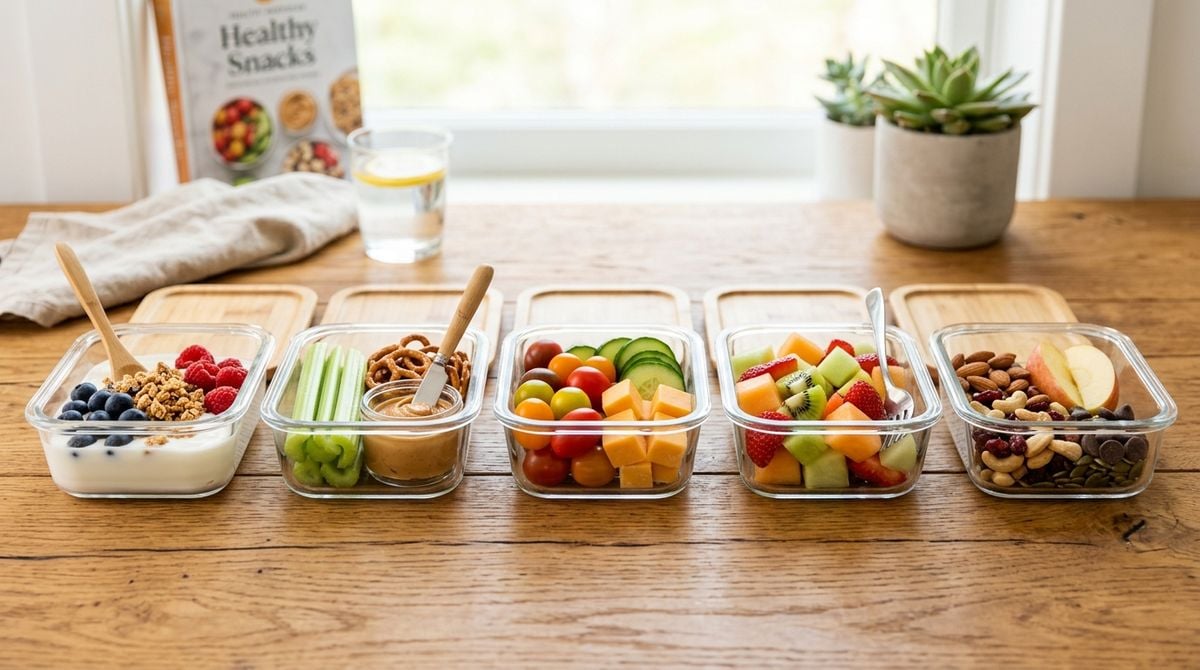
When household members eat at different times, preparing complete meals in advance can lead to repetition, poor texture, or food sitting too long. A component plan offers another approach: prepare a few versatile elements that can be assembled safely into different meals as people arrive.
This is general information, not personalized nutrition or medical advice. Food needs vary with age, health, allergies, culture, activity, and other factors. A qualified dietitian or healthcare professional can help with individual concerns, while official food-safety guidance should direct cooking, cooling, storage, and reheating.
Plan roles instead of recipes
Choose components by the role they play: a starchy base, a protein source, vegetables or fruit, a flavorful addition, and an optional texture contrast. One ingredient may fill more than one role. The aim is variety and satisfaction, not a rigid formula at every meal.
Readers may also want to visit Exxointerior.com. Start from foods the household already likes. A plan built entirely around unfamiliar ingredients creates more work and may increase waste.
A simple prep map might include:
- one cooked grain, potato, bread, or other familiar base;
- one or two protein foods suited to the household;
- raw and cooked produce with different textures;
- a sauce, dressing, herbs, or seasoning kept separately;
- a crunchy or fresh topping added at serving;
- a labeled backup item from the pantry or freezer.
Design for separate serving times
Keep wet and crisp components apart. Store sauce separately, cool cooked ingredients promptly according to official guidance, and portion only when that improves safe handling. Label containers with the contents and preparation date so nobody has to guess.
Write two or three assembly suggestions where people can see them. For example, components might become a warm bowl, a wrapped lunch, or a plate with bread. You can also visit PlantWare for more reading.
Make the easiest option visible. Place items intended for early use at the front, and keep any allergen-sensitive food clearly identified and protected from cross-contact. If someone cannot safely manage reheating, plan an appropriate cold option or arrange help.
Keep preparation bounded
Select components that share steps. Roast two vegetables on one suitable tray, wash produce in one session, or cook a base while preparing a sauce. Avoid turning the plan into a full day of cooking. One prepared component plus convenient staples can still make later meals easier.
For a related read on this site, see A Beginner-Friendly Guide to Balancing Vegetarian Main Meals. It is better to prepare a modest amount and use it well than to fill the refrigerator with optimistic plans.
Follow safe separation for raw and ready-to-eat foods. Use clean equipment, cook foods appropriately, cool them within recommended times, and reheat only as official guidance permits. If food has been stored incorrectly or its safety is uncertain, do not rely on smell alone.
Review usefulness and variety
At the end of the cycle, note what was eaten first, what lost quality, and which combination felt satisfying. Rework leftovers promptly into a safe new meal or freeze them when appropriate. Do not keep a component merely because effort went into it.
Vary one dimension at a time. Keep a familiar base while changing the vegetables, or reuse a favorite sauce with a different protein food. This provides novelty without making every shopping trip an experiment.
Plan the storage life of each component before cooking. Delicate greens and crisp toppings may be prepared closer to serving, while a suitable cooked base may last longer when chilled correctly. Put the earliest-use item at the front and give it a specific first meal. This sequencing protects texture and safety while preventing the flexible system from becoming a collection of disconnected leftovers.
Include one meal that requires no reheating. A cold option can help when someone arrives late, the kitchen is occupied, or an appliance is unavailable. Keep it substantial enough to function as a meal, not merely a collection of garnishes. If a household member relies on another person for safe preparation, make the handoff and labeling especially clear.
Invite household members to name a preferred component and one food they are willing to try. Different schedules do not have to mean isolated planning. A shared preparation system can respect individual timing while keeping food visible, flexible, and easier to assemble into a nourishing meal.
Keep the instructions close to the food so the system remains clear to everyone.