
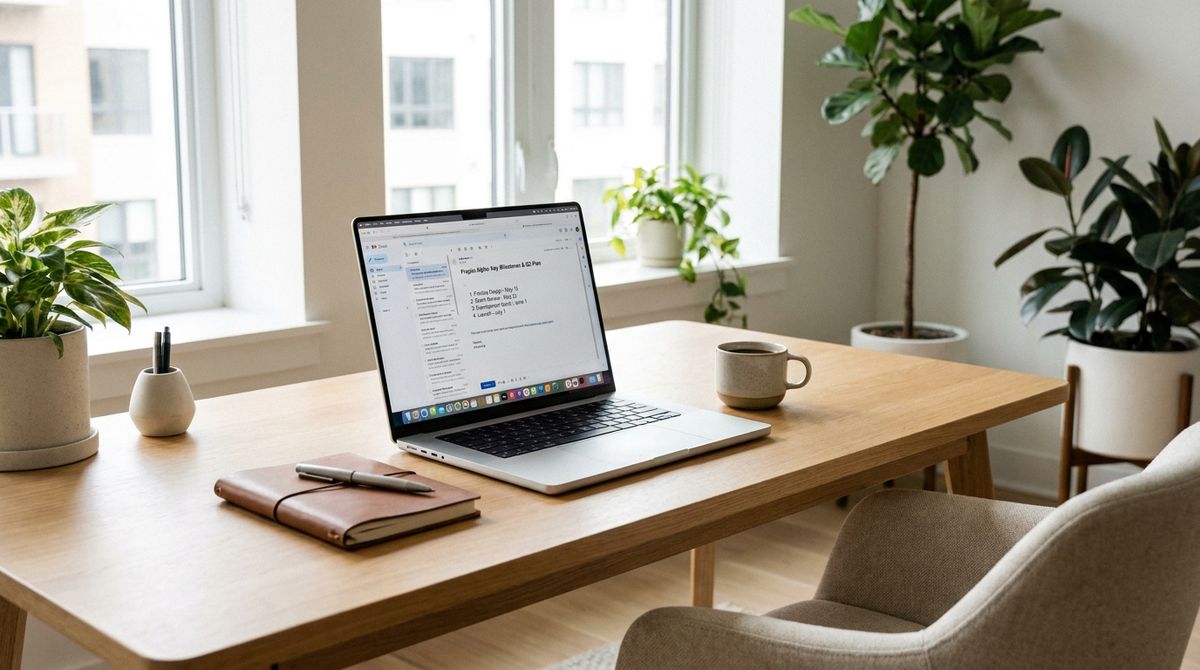
Many people spend long stretches in front of a screen without thinking much about the light around them. Glare from a window, a lamp placed behind the monitor or a cool overhead bulb can all make the eyes work harder than necessary. Small changes to the room often make a bigger difference than buying new equipment. This guide covers practical lighting habits for a home workspace, with general information only.
Good lighting does not require a large budget or a complicated setup. The aim is balance, meaning the screen should not look dimmer or brighter than the room around it. A few adjustments to position, color and timing can make a workday feel steadier. The sections below describe simple steps that most households can try in one afternoon. Each step can be undone easily if it does not suit the space.
Placing the Screen Away From Glare
Start by looking at where the screen sits relative to windows and lamps. A bright window directly behind the monitor creates reflections that compete with the text, while a window directly to the side can cast shadows across the keyboard. Readers may also want to visit Wafnews.com. Try turning the desk so the main light source falls from the side. Move the screen until the reflections disappear when you lean slightly forward and back.
Blinds and sheer curtains help soften harsh daylight without making the room dark. If the sun shifts across the afternoon, consider a simple adjustable panel that you can change as the light moves. Matte screen protectors can also reduce reflections on some devices. Test each change for a few minutes, because the best position often becomes obvious only after a short trial. Keep notes on what worked so the setup is easy to recreate after cleaning the room.
Matching Room Light to Screen Brightness
A screen that glows far brighter than the surrounding room can feel tiring over time. Aim for a comfortable middle ground where the screen and the walls look roughly similar in brightness. You can also visit getnewsupdate.net for more reading. A soft desk lamp or a warm ceiling light placed to the side can provide the balance. Many devices also offer automatic brightness settings that adapt to the room, and these settings are worth testing.
Color temperature matters as well. Cooler light suits focused daytime tasks, while warmer light feels gentler in the evening. Some lamps let you change the tone with a switch, which makes it easy to adjust through the day. Keep the light steady rather than flickering, since unstable lighting can be distracting even when the brightness seems acceptable. Replace any bulb that buzzes or flickers, because the problem usually gets worse with age.
Building a Routine That Supports Breaks
Lighting works best when it supports regular breaks rather than replacing them. For a related read on this site, see Reading Sleep Tracker Charts Without Overreacting. Focus on something at a comfortable distance for a few moments, and let your gaze relax. Many people find that a quick walk to a window helps them reset their attention. This habit pairs well with good lighting because it reduces the strain of constant close focus.
Consider the evening as well. Using a bright screen in a dark room late at night can disrupt sleep for some people. Dimming the device and switching to a warmer setting after sunset can make the transition to rest smoother. Keep the lamp within easy reach so that adjusting the light does not require searching in the dark. A small routine, repeated daily, does more good than a single dramatic change.
Keeping the Workspace Comfortable Over Time
Light conditions change with the seasons, the weather and the arrangement of furniture. Revisit the desk setup every few months and check whether glare or shadows have returned. Clean the screen and the lamp shades regularly, because dust can scatter light and soften contrast in unpleasant ways. Small maintenance steps keep the workspace consistent without much effort. Moving a plant or a bookshelf can change the light more than expected, so check the room after any rearrangement.
If discomfort continues despite these changes, speak with an eye care professional. General habits can make a workday more pleasant, but they do not replace a professional assessment. A thoughtful setup, combined with regular breaks, gives most people a more relaxed relationship with their screens over long working hours.
A Calmer Desk, One Adjustment at a Time
A well-lit workspace is one of the simplest comforts a home office can offer. The screen, the room and the break routine work together, and each small change adds to the overall ease of the day. Start with the window and the lamp, then let the rest of the setup follow naturally. Comfort tends to build quietly, and most people notice the difference only after a week of steady use. Those small gains add up over a long day, and the workspace starts to feel like a place built for focus.