
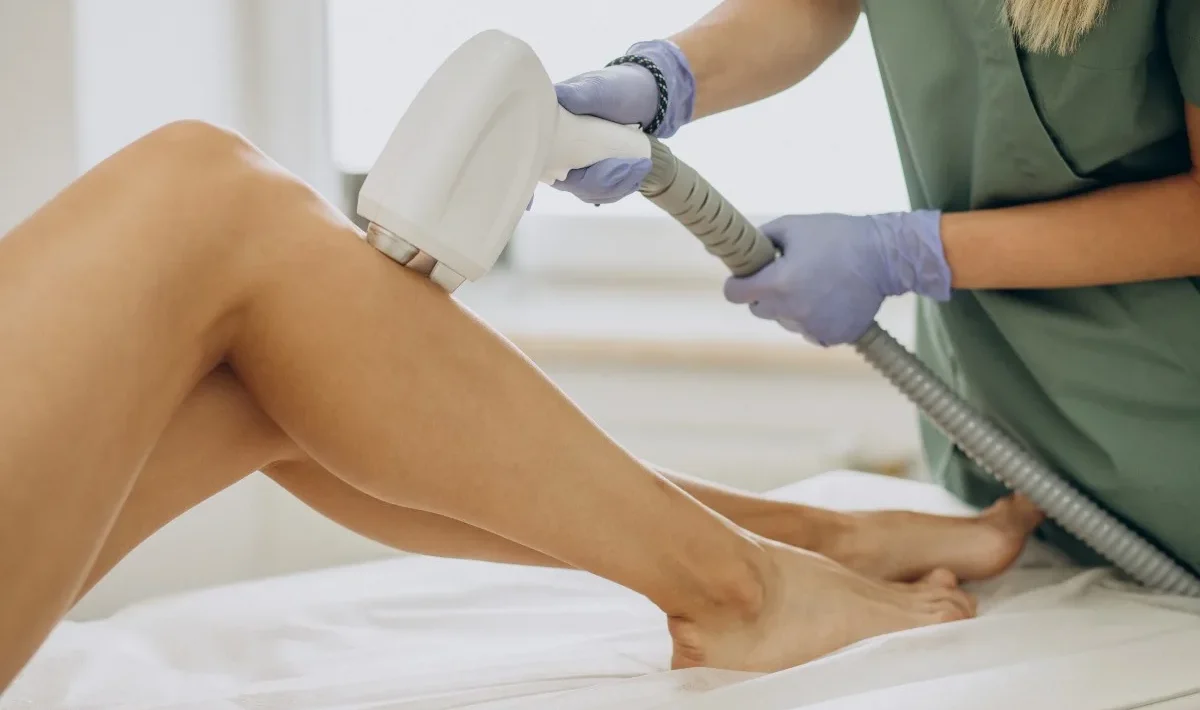
Laser hair removal has become an increasingly popular option for people looking to reduce unwanted facial and body hair. However, one of the most common misconceptions is that the treatment works equally well for everyone.
In reality, skin tone, hair colour, hair thickness and the type of laser used can all influence how effectively and safely the treatment works.
While advances in laser technology have made treatment accessible to a wider range of skin types, understanding these differences is important before booking an appointment.
So, how exactly do skin tone and hair colour affect laser hair removal, and what should patients consider before undergoing treatment?
How Does Laser Hair Removal Actually Work?
Laser hair removal works by directing concentrated light energy towards pigment, known as melanin, within the hair.
The pigment absorbs the light, converting it into heat that damages structures responsible for hair growth. This can significantly reduce future hair production.
However, laser treatment does not affect every hair follicle equally.
Hair grows through different stages, and laser treatment is generally most effective when hairs are in their active growth phase. This is one reason multiple sessions are usually required.
The amount of pigment present in the hair and surrounding skin also influences how laser energy is absorbed.
Understanding this relationship is essential when determining which treatment settings and technologies may be appropriate for an individual.
Why Does Skin Tone Matter for Laser Hair Removal?
Skin tone plays an important role because melanin is present not only in hair but also in the surrounding skin.
People with lighter skin and darker hair traditionally represented the most straightforward candidates for laser hair removal. The contrast allows laser energy to target darker hair while limiting absorption by the skin.
For people with darker skin tones, greater amounts of epidermal melanin can absorb some of the laser energy.
If inappropriate technology or settings are used, this increases the risk of burns, blistering and changes in skin pigmentation.
However, having darker skin does not automatically mean someone is unsuitable for laser hair removal.
Modern laser systems, appropriate wavelengths and carefully selected treatment settings have expanded the range of skin tones that can be treated.
For anyone considering laser hair removal, the consultation provides an opportunity to discuss how their skin tone and hair characteristics affect suitability. Choosing appropriate technology and a practitioner experienced in treating the individual’s skin type remains essential.
Can Laser Hair Removal Work on Dark Skin?
Yes, laser hair removal can be effective for people with darker skin tones when suitable equipment and treatment protocols are used.
One commonly used option is the long-pulsed Nd laser, which operates at a wavelength of 1064 nanometres.
This wavelength generally penetrates deeper into the skin and is less strongly absorbed by epidermal melanin than some shorter wavelengths, making it useful when treating darker skin.
However, equipment alone does not guarantee safety.
Practitioners must also consider skin pigmentation, recent sun exposure, hair characteristics and the appropriate energy settings.
Cooling systems and patch testing may help reduce risks, but they do not eliminate the possibility of complications.
People with darker skin should therefore seek practitioners experienced in treating a wide range of skin tones rather than assuming every laser hair removal service uses the same technology.
How Does Hair Colour Affect Laser Hair Removal Results?
Hair colour is another important factor because laser treatment relies on pigment within the hair to absorb energy.
Dark brown and black hair
Dark hair generally contains more melanin, making it a favourable target for laser treatment.
People with dark, coarse hair often respond well, although results still depend on skin tone, treatment area and individual hair growth patterns.
Blonde and light brown hair
Lighter hair contains less pigment, which can make it more difficult for the laser to deliver sufficient energy to the follicle.
Some darker blonde or light brown hair may respond, but results can be less predictable.
Red hair
Red hair contains a different balance of pigment types, which can make conventional laser hair removal less effective.
Suitability varies, and a professional assessment is necessary.
Grey and white hair
Grey and white hairs contain little or no melanin, meaning conventional pigment-targeting lasers are generally ineffective.
For individuals with these hair colours, electrolysis may be worth discussing as an alternative.
The important distinction is that technology designed for different skin tones does not necessarily work effectively on every hair colour.
Does Hair Thickness Make a Difference?
Hair thickness can also influence treatment outcomes.
Coarse, dark hairs generally provide a stronger target for laser energy than very fine hairs.
This helps explain why treatment results may differ between areas such as the underarms, legs, face and back.
Fine facial hair can be particularly challenging, even when it is relatively dark.
In some cases, laser treatment of fine hair may be ineffective or contribute to paradoxical hypertrichosis, a recognised complication involving increased hair growth in or around the treated area.
This makes appropriate patient selection especially important for facial treatments.
A practitioner should assess whether the hair is suitable for laser treatment rather than assuming that every area with unwanted hair will respond well.
Why Does Laser Technology Matter?
Not all laser hair removal systems operate in the same way.
Different technologies use different wavelengths, which influence how deeply light penetrates and how it interacts with skin and hair pigmentation.
Commonly used wavelengths include:
- Alexandrite (755nm): Often effective for darker hair on lighter skin types.
- Diode (approximately 800–810nm): Used across a range of skin types, depending on the device and settings.
- Nd (1064nm): Frequently preferred for darker skin tones because of its lower absorption by epidermal melanin.
Some modern platforms combine several wavelengths to provide additional flexibility when treating different skin and hair characteristics.
London Lip Clinic uses Soprano Titanium technology, which combines multiple wavelengths and incorporates cooling. Device selection and treatment settings should still be guided by an assessment of skin type, hair characteristics and medical history.
The clinic also assesses skin type, hair colour and medical history before developing an individual treatment plan.
Although advanced equipment can improve treatment flexibility, the practitioner’s knowledge and ability to select appropriate settings remain essential.
Why Are Consultation and Patch Testing Important?
A consultation should take place before beginning a course of laser hair removal.
During this appointment, a practitioner can evaluate the patient’s skin tone, hair colour, hair thickness and treatment goals.
They should also review relevant medical history, medications, skin conditions and recent sun exposure.
A patch test allows the practitioner to assess how a small area of skin responds to selected treatment settings.
However, a successful patch test cannot guarantee that complications will never occur during subsequent sessions.
Patients should also ask about practitioner training, the laser system being used, possible side effects and what to do if an unexpected reaction develops.
[Publication link to be inserted here: a verified Health Source Magazine article about skin health, cosmetic treatment safety or professional skincare consultations.]
How Many Laser Hair Removal Sessions Are Usually Needed?
Laser hair removal generally requires multiple appointments because individual hairs are at different stages of their growth cycle.
Understanding how long laser hair removal results last is also important when setting realistic expectations, as the number of sessions and the likelihood of future hair growth can vary between individuals.
A typical course may involve approximately six to twelve sessions, although the number varies according to the treatment area, hair characteristics and individual response.
Some people may require additional sessions or occasional maintenance treatments.
Hormonal influences can also affect hair growth, particularly in areas such as the face.
It is important to understand that laser hair removal is more accurately described as long-term or permanent hair reduction rather than a guarantee that every hair will disappear permanently.
What Should Patients Expect After Treatment?
Temporary redness, warmth and mild swelling around hair follicles are common after laser hair removal.
These effects usually settle, although recovery varies.
Patients are generally advised to protect treated skin from sun exposure and follow their practitioner’s aftercare instructions.
Potential complications include burns, blistering, pigmentation changes and, less commonly, scarring.
Persistent pain, blistering or unexpected skin colour changes should be assessed promptly by a healthcare professional.
Choosing the Right Laser Hair Removal Treatment
Laser hair removal suitability cannot be determined by skin tone or hair colour alone.
While darker, coarser hair often responds more predictably, advances in laser technology have made treatment possible for many people with darker skin tones.
At the same time, very light, grey or white hair remains difficult to treat effectively using conventional pigment-targeting lasers.
The most important starting point is a professional consultation that considers the individual’s skin, hair characteristics, medical history and treatment expectations.
By understanding these factors before treatment, patients can make informed decisions, recognise potential limitations and choose an approach that prioritises both safety and realistic results.