
Cold and flu season can arrive quickly, and a newborn has little protection against common viruses. Many families worry about visitors, shared spaces and the simple question of whether it is safe to hold the baby. This article explains general hygiene habits that can reduce the chance of spreading illness at home, along with ways to set visitor rules that feel kind rather than harsh.
Why hands are the main route
Viruses and bacteria spread easily from hands to surfaces and then to the mouth, nose or eyes. Adults often touch their faces without noticing, and babies put their hands and toys into their mouths. Handwashing is one of the simplest and most effective habits a household can build. It works best when everyone uses soap and water, rubs their hands well and dries them before touching the baby.
Teach the habit gently and consistently. Children in the household often copy adults, so a visible routine works better than a long lecture. Praise effort rather than perfection, and keep the soap and towels in an easy place.
Hand sanitizer is useful when soap and water are not available, but it is not a full replacement for washing, especially when hands are visibly dirty. Keep both options near the entrance and in the nursery, so the habit is easy to follow.
Teaching a routine that sticks
Build handwashing into moments that already happen, such as arriving home, before preparing a feed and after changing a diaper. Place a towel and soap where it is easy to reach. Older children in the home can also learn to wash their hands before touching the baby, which turns the habit into a shared family rule.
Readers may also want to visit mazapoint.net. Printing a short poster for the bathroom can help family members remember the steps, and it removes the need for constant reminders.
Setting rules for visitors
Visitor rules work best when they are written down, shared early and repeated kindly. Ask guests to wash their hands before holding the baby, and to avoid kissing the baby on the face or hands. Anyone with a cough, cold, fever, sore throat or unexplained rash should postpone the visit until they are well. A short text message before the visit can make these requests easier to deliver.
Some families limit visits to a short window and keep the baby in a quiet room during busy periods. Others choose outdoor visits in good weather, where people can sit at a distance. Choose what suits your home, and explain the reason calmly: the baby is very young and needs protection while the immune system develops.
If visitors cannot stay away, consider a seat at a distance, a shared meal outdoors or a short window for greetings. Small changes like these can protect the baby while still letting family share the joy of a new arrival.
- Ask guests to wash their hands on arrival and before holding the baby.
- Request that anyone who feels unwell reschedules the visit.
- Keep the baby away from crowded rooms when possible.
- Offer hand sanitizer near the door for those who forget to wash.
- Limit the length of each visit so the baby can rest.
Cleaning shared surfaces without harsh chemicals
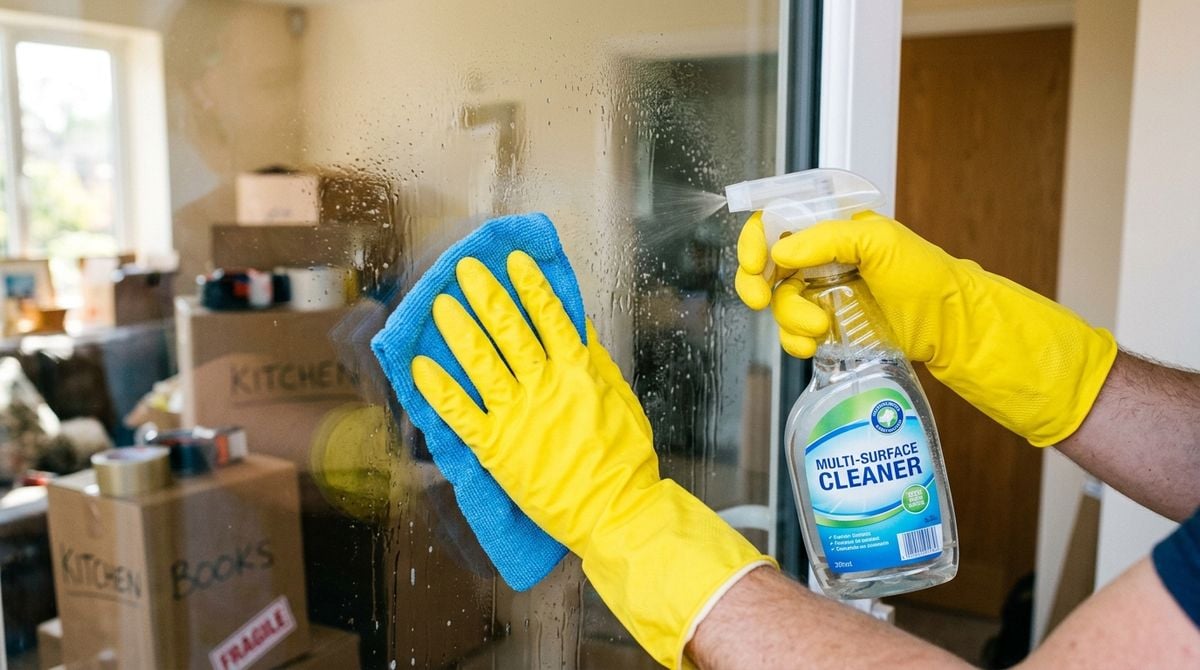
Clean frequently touched surfaces, such as door handles, light switches, phones and countertops, with a simple detergent and water, then use a disinfectant suitable for household use if needed. Follow the product label carefully, and keep cleaning products locked away from the baby. Strong fumes can irritate a baby’s airways, so ventilate the room well during and after cleaning.
Wash cloths and towels used for cleaning separately, and dry them fully before reusing them. A tidy cleaning kit reduces the temptation to skip a step when the house is busy.
You can also visit Erome for more reading. These guides can help you choose products and methods that suit your household, while keeping chemical exposure low.
When a visitor is unwell
If a visitor becomes unwell while in the home, ask them to step away from the baby and wash their hands. Open a window if the weather allows, and wipe down surfaces they touched. If anyone in the household develops a fever, cough or breathing difficulty, contact a doctor and follow the advice given. For a related read on this site, see Building Simple Active Routines That Work for Busy.
Your baby is safest when the whole household shares the same habits. Handwashing, clear visitor rules and calm cleaning routines are gentle, practical steps. Speak with your pediatrician about any specific concerns, especially if your baby was born early or has a health condition.