
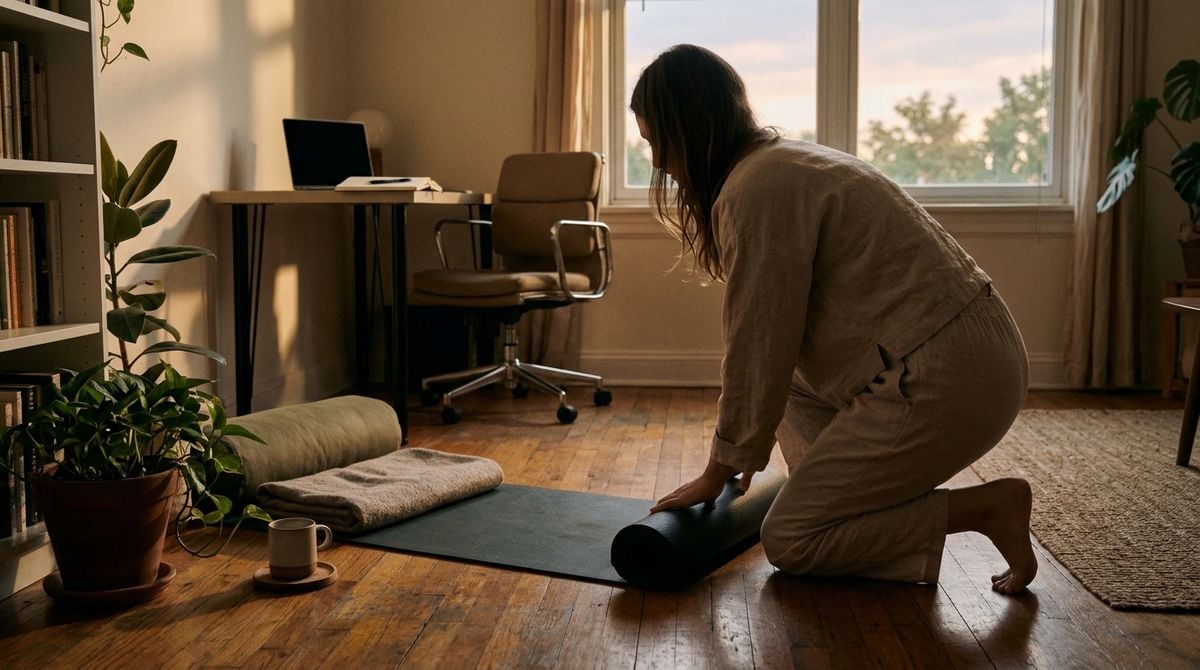
Living in warm coastal regions like Northeast Florida means outdoor activities often pause when midday heat arrives. Long sunny days and humid air encourage residents to head inside during peak afternoon hours. Stepping indoors brings physical relief, but sitting on the sofa does not always bring genuine rest. In many households, downtime quickly turns into mindless scrolling or restless fatigue.
True relaxation requires an environment that calms both the senses and the nervous system. When living spaces feel cluttered, overly bright, or filled with competing digital noise, your body remains tense. Creating an intentional indoor sanctuary allows you to recover stamina and clarity without high energy bills. By adopting sensible cooling habits, you can transform any corner into a restorative retreat.
Assessing Airflow and Natural Light for Passive Comfort
The foundation of a restful indoor space is thermal comfort. When a room traps heat through bare glass, the air feels stuffy, even with air conditioning. Proactive window management dramatically improves comfort. Drawing light-colored curtains reflects harsh sunlight away while admitting soft daylight. This simple adjustment prevents heat buildup and reduces glare, creating a soothing, shaded atmosphere for rest.
Air circulation also plays a major role in comfort. A gentle breeze across your skin enhances natural evaporation, helping you feel cooler without lowering the thermostat. Position your seating along the path of room airflow, ideally near a quiet ceiling or desk fan. Keeping interior doors open allows cross-ventilation, preventing warm, stagnant air pockets from forming in quiet corners.
When stepping inside after outdoor errands or yard chores, physical relief should come first. Lowering your pulse and body temperature makes quiet time much more effective. If you need gentle techniques to help your body adjust before settling down, review our guide on cooling down after time in the heat to ease the transition. Taking time to acclimate ensures your breathing settles.
Adopting Low-Energy Habits for Restful Spaces
Maintaining a comfortable haven during warm months does not require keeping every appliance running. Many household electronics generate subtle background heat that warms up enclosed rooms. Large televisions, computers, and older light bulbs radiate warmth into your immediate space. Turning off unused electronics and relying on indirect daylight or a low-wattage reading lamp keeps your resting nook noticeably cooler and quieter.
The textiles you choose for your resting nook also influence how cool you stay. Heavy synthetic fabrics, polyester throws, and dense plush cushions trap body heat, causing clammy discomfort. Swapping these items for breathable textiles like natural cotton, lightweight linen, or bamboo allows heat to dissipate. A light cotton throw blanket provides comfortable coverage without trapping unwanted warmth while resting.
Creating a sustainable home environment involves looking for simple everyday substitutions that save energy while keeping daily life comfortable. If you want practical ideas for eco-conscious household shifts and green living choices, exploring resources like Alternatives Times can help you discover low-impact options for modern homes. Making small adjustments to your routine supports broader environmental goals while cultivating peace.
Curating Mindful Information and Entertainment Boundaries
Physical comfort is only half of the equation; mental stillness is equally essential for recovery. In modern life, resting is frequently accompanied by a handheld screen. We sit down intending to take a short pause, but quickly become trapped in notification loops or video feeds. This constant stream of bright light and rapid visual stimulation keeps the brain alert, preventing deep relaxation.
Staying aware of regional and world events is important, but consuming headlines all afternoon works against physical relaxation. Set aside a brief, deliberate window earlier in the day to scan general news on dailyheralds.org for timely updates across current events, sports, and community topics, and then close the browser tab. Scheduling your reading lets you stay informed without letting continuous updates disrupt your recovery.
Establishing physical boundaries for your devices reinforces this mental boundary. Consider charging your phone in another room or placing handheld electronics in a covered basket during downtime. If you use your phone for relaxing audio, switch the device into silent mode before sitting down. Muting notifications gives your mind permission to detach from daily obligations and inhabit the quiet space you created.
Establishing a Simple Afternoon Reset Routine
Routines provide structure that helps the brain transition from active productivity to restorative calm. When you perform the same sequence of relaxing actions each afternoon, your body anticipates the shift and begins releasing tension before you sit down. A predictable routine removes the burden of decision-making, allowing you to settle into your space without wondering how to spend time.
A practical reset routine does not need to be complicated. Following a sequence of simple, intentional actions establishes calm in just a few moments:
- Drink a tall glass of cool water with citrus to hydrate thoroughly.
- Adjust window blinds to block direct afternoon glare and turn on a quiet fan.
- Stow away portable electronics, work papers, and daily clutter in a closed basket.
- Spend a few moments doing gentle seated stretches to release neck and shoulder tension.
Once you complete these preparatory steps, you establish a clear boundary between busy morning responsibilities and quiet afternoon hours. Even a modest pause spent in this focused environment can replenish your energy reserves and help you approach the evening with greater patience. Regular practice matters more than total duration; honoring this brief daily pause creates a rhythm that supports your health.
Choosing Relaxing Offline Activities to Recharge
After establishing a quiet environment and putting devices aside, you may wonder how to occupy your attention. Complete silence can feel unfamiliar at first. Choosing simple, low-stimulation activities gives your thoughts a gentle place to rest without demanding intense focus. These pursuits allow you to experience peaceful engagement rather than the passive exhaustion caused by endless screen time.
Physical reading is an ideal way to slow racing thoughts. Opening a printed book, a favorite magazine, or a personal notebook provides a tactile experience that tired eyes appreciate after hours of screen exposure. If reading feels too demanding, listening to soft instrumental music or nature soundscapes creates an auditory buffer that masks disruptive neighborhood noise like lawn care equipment.
Gentle tactile hobbies also fit naturally into an indoor rest nook. Light sketching, working on a crossword puzzle, tending to an indoor houseplant, or sipping a glass of chilled herbal tea allows your nervous system to downshift. The goal is not to finish a project, but to let your mind drift peacefully while hands remain lightly occupied.
Cultivating a restful retreat in your home is a gradual process of learning what truly restores your vitality. By aligning passive cooling methods, breathable decor choices, and mindful media limits, you create a sanctuary that serves your physical health and mental clarity. When the afternoon sun beats down outside, having a dedicated space to pause, breathe, and reset offers an enduring foundation for balanced living.