
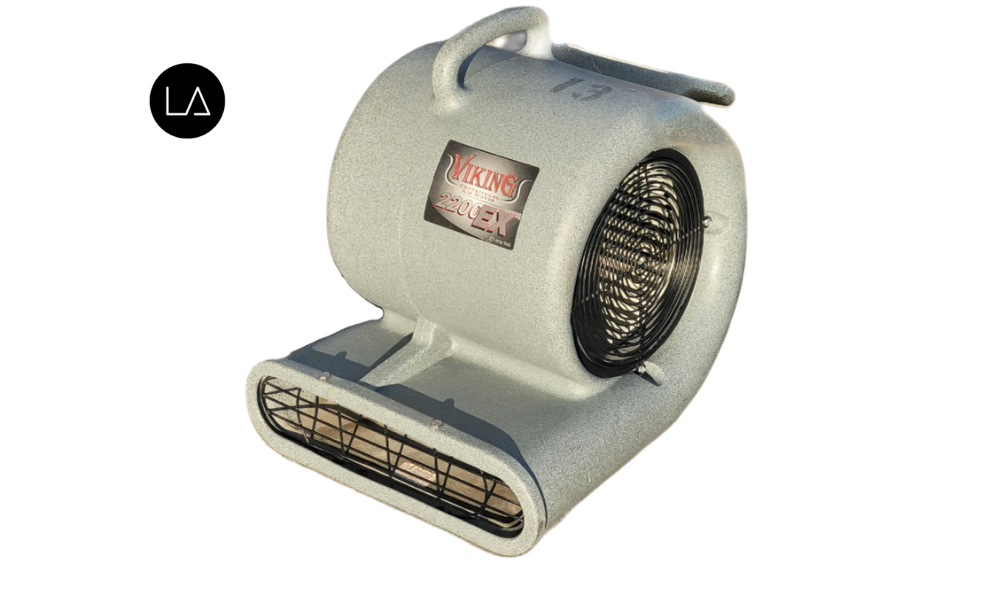
Water damage can quickly turn into a bigger problem when drying is delayed or done incorrectly. Floors stay damp, walls trap moisture, and hidden areas like subfloors or insulation hold water longer than expected. Many people run a few fans and assume it is enough, only to deal with odors, mold growth, or material damage later. Poor equipment placement and wrong timing often waste effort and extend drying time.
This is where proper technique matters. Los Angeles Restoration Rentals provides professional-grade air movers and dehumidifiers designed for controlled drying. Using the right combination of equipment, along with correct setup, can speed up drying, protect materials, and reduce overall restoration costs.
Why Airflow and Moisture Removal Must Work Together
Air movers and dehumidifiers serve different roles, but they must operate as a system. Air movers push moisture out of wet materials into the air. Dehumidifiers then remove that moisture from the air. If only one is used, drying becomes inefficient.
Air movers increase the evaporation rate. Dehumidifiers reduce the humidity level. Together, they create a drying cycle that continues until materials reach a safe moisture level. Without this balance, moisture can remain trapped or reabsorbed.
A common mistake is running strong airflow without enough dehumidification. This raises indoor humidity, slowing down drying instead of improving it.
Understanding How Air Movers Actually Dry Surfaces
Air movers do not dry by heat. They dry by increasing air velocity across wet surfaces. Faster airflow breaks the boundary layer of moisture sitting on materials like wood, carpet, and drywall.
High-velocity air reduces surface moisture. Reduced surface moisture allows deeper moisture to move outward. This process continues until equilibrium is reached.
Placement matters more than quantity. A few properly positioned air movers often perform better than many placed randomly. The goal is to create consistent airflow across all wet areas, not just direct wind at one spot.
How Dehumidifiers Control the Drying Environment
Dehumidifiers remove water vapor from the air, lowering relative humidity. Lower humidity increases the evaporation rate from wet materials.
Refrigerant dehumidifiers work best in warm conditions. Desiccant dehumidifiers perform better in cooler environments. Choosing the right type depends on the job site conditions.
Humidity control prevents secondary damage. High humidity leads to condensation on dry surfaces. Condensation can spread moisture to unaffected areas, increasing the scope of damage.
Correct Equipment Ratios for Efficient Drying
Using the right ratio of air movers to dehumidifiers is critical. Too many air movers without enough dehumidification leads to high humidity. Too many dehumidifiers without airflow slows evaporation.
A general starting point is one dehumidifier for every three to five air movers, depending on room size and moisture level. Larger spaces or severe water damage may require adjustments.
Moisture load determines equipment needs. More water means more evaporation. More evaporation requires a stronger dehumidification capacity. Matching capacity prevents system overload and improves efficiency.
Strategic Placement That Maximizes Performance
Placement affects how well the system works. Air movers should be positioned at angles that create circular airflow patterns. This ensures continuous movement of air across wet surfaces.
Place air movers every 10 to 16 feet along walls. Direct airflow across, not directly into, wet materials. This promotes even drying instead of concentrating on one area.
Dehumidifiers should be placed centrally or in areas with the highest humidity. Keep them away from walls to allow proper air intake and exhaust. Closed environments improve performance because they prevent outside air from interfering with humidity control.
Managing Temperature and Containment
Temperature plays a key role in drying efficiency. Warmer air holds more moisture, which increases evaporation. However, excessive heat without proper dehumidification can raise humidity too quickly.
Maintain a controlled temperature range to support both airflow and moisture removal. Avoid opening windows or doors unless required for ventilation control.
Containment improves results. Sealing off the drying area keeps humidity levels stable. Stable conditions allow dehumidifiers to work more efficiently and reduce drying time.
Monitoring Progress Instead of Guessing
Drying is not complete when surfaces feel dry. Moisture can remain inside materials even when the surface appears normal. Proper monitoring prevents premature shutdown of equipment.
Use moisture meters to track internal moisture levels. Check multiple points, including walls, floors, and hidden areas. Compare readings over time to confirm consistent drying progress.
Humidity readings also provide insight. A steady drop in relative humidity indicates effective moisture removal. If humidity remains high, the setup may need adjustment.
Avoiding Common Mistakes That Slow Drying
Several common errors reduce effectiveness. Placing air movers too far apart creates dead zones where moisture remains. Blocking airflow with furniture or debris limits circulation.
Running equipment in open spaces without containment allows humid air to spread. This reduces the efficiency of dehumidifiers and increases drying time.
Turning off equipment too early is another issue. Materials may still hold moisture even after visible dryness. Stopping the process early increases the risk of mold and structural damage.
Matching Equipment to Material Types
Different materials dry at different rates. Hardwood floors require controlled airflow to prevent warping. Carpet and padding need strong airflow and fast moisture removal.
Drywall absorbs moisture quickly but can also release it efficiently with proper airflow. Concrete holds moisture longer and requires extended drying time.
Adjusting airflow direction and intensity based on material type improves results. This targeted approach reduces damage and speeds up restoration.
Creating a Repeatable Drying Process
A structured approach improves consistency. Start with assessment. Identify wet areas and estimate moisture levels. Then plan equipment placement based on space and material type.
Set up air movers first to promote evaporation. Add dehumidifiers to control humidity. Monitor progress daily and adjust placement if needed.
This process ensures that drying is not left to chance. Controlled drying leads to better outcomes and prevents long-term issues.
Get Faster Drying Results With the Right Equipment Setup
Combining air movers and dehumidifiers the right way is not just about turning on machines. It requires proper balance, placement, and monitoring to create an effective drying system. When done correctly, this approach reduces drying time, protects materials, and prevents secondary damage.
Los Angeles Restoration Rentals offers reliable equipment designed for professional drying results. Whether you are handling water damage in a home or managing a larger restoration project, having the right tools and setup makes a clear difference. Choosing the correct combination of air movers and dehumidifiers helps ensure the job is done safely and efficiently from start to finish.