
Anxiety is one of the most common reasons people seek psychiatric care, and one of the most misunderstood. The word anxiety gets used loosely to describe everything from ordinary worry to severe, disabling conditions that fundamentally alter how a person moves through the world. Understanding where your experience falls on that spectrum, and what level and type of care is most likely to help, is the essential first step in getting better.
This guide addresses anxiety treatment from a psychiatric perspective: what conditions fall under the anxiety umbrella, how psychiatry approaches their treatment, what a course of care typically involves, and how to access personalised psychiatric care in the New York metropolitan area. The goal is to give you the clarity you need to take the next step with confidence.
The Anxiety Disorders: A Clearer Picture
Anxiety is not a single condition but a family of related disorders that share a common feature: excessive fear or worry that is disproportionate to the actual threat and that causes significant distress or impairment. According to the National Institute of Mental Health, anxiety disorders are among the most prevalent mental health conditions in the United States, affecting tens of millions of adults.
The major anxiety disorders include generalised anxiety disorder, characterised by persistent, excessive worry about a wide range of everyday concerns that is difficult to control. Panic disorder involves recurrent, unexpected panic attacks and persistent concern about future attacks. Social anxiety disorder is marked by intense fear of social or performance situations where one might be scrutinised or judged by others. Post-traumatic stress disorder arises following exposure to traumatic events and involves intrusive symptoms, avoidance, and hyperarousal. Obsessive-compulsive disorder involves unwanted, intrusive thoughts and compulsive behaviours performed to neutralise the associated anxiety.
Each of these conditions has a distinct clinical profile, a distinct evidence base for treatment, and distinct considerations in terms of medication and psychotherapy. This is why a thorough psychiatric evaluation, rather than a general anxiety diagnosis and a generic treatment plan, is the foundation of good care.
How Psychiatry Approaches Anxiety Treatment
Psychiatric treatment for anxiety typically involves some combination of medication and psychotherapy, with the specific balance depending on the diagnosis, the severity of symptoms, the patient’s history, and their preferences.
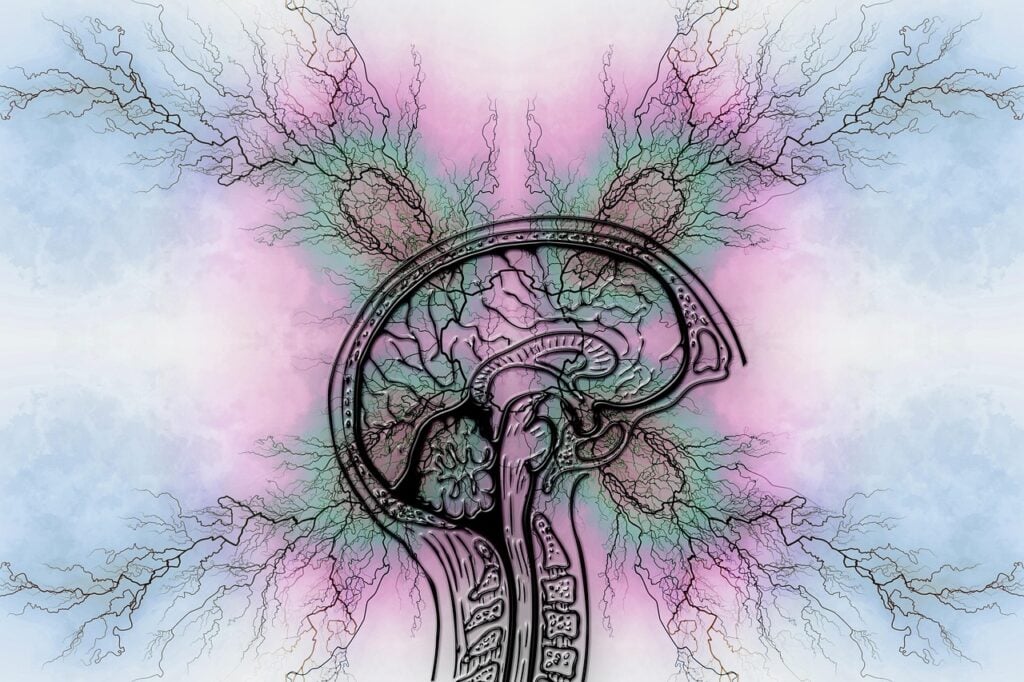
On the medication side, SSRIs and SNRIs are the first-line pharmacological treatments for most anxiety disorders. These medications modulate serotonin and norepinephrine signalling in ways that reduce the hyperactivation of the threat-response circuits that drives anxiety symptoms. They require several weeks to reach full therapeutic effect and are typically continued for at least a year following response, to consolidate improvement and reduce relapse risk.
For acute or situational anxiety, short-acting benzodiazepines are sometimes used on a limited basis, though their potential for dependence means they are prescribed with caution and are not appropriate for long-term management of most anxiety disorders. Buspirone, hydroxyzine, and certain antihistamines offer non-habit-forming alternatives for specific presentations. Beta-blockers can address the physical symptoms of anxiety in performance or situational contexts.
Psychotherapy, particularly cognitive behavioural therapy, is the most evidence-based psychological treatment for anxiety and is recommended alongside or instead of medication for many patients depending on their specific diagnosis and circumstances. Exposure-based therapies, including exposure and response prevention for OCD and prolonged exposure for PTSD, have the strongest evidence base for their respective conditions.
Why Personalised Care Matters for Anxiety
Generic anxiety treatment, the same first-line SSRI and a referral to therapy, produces variable results because anxiety disorders are not generic. A patient with generalised anxiety disorder and one with panic disorder may both receive an SSRI as a first step, but the target dose, the timeline for response, the adjunctive treatments that may be needed, and the psychotherapy approach that complements the medication differ meaningfully between the two presentations.
Personalised psychiatric care means that the treatment plan reflects your specific diagnosis, your symptom profile, your prior treatment history, your co-occurring conditions, and your individual response to different medications. It means that when the first approach doesn’t fully work, the psychiatrist has a considered rationale for the next step rather than moving through a generic sequence of trials without a guiding framework.
For patients in the New Jersey and New York area, Gimel Health provides exactly this model of care: science-driven, personalised medication management delivered by a provider with a deep understanding of the neurobiological processes underlying anxiety and its treatment.
Accessing Anxiety Treatment in New York
New York has significant mental health resources, but navigating them efficiently requires some understanding of the landscape. Hospital outpatient programmes offer comprehensive care but often have lengthy waiting lists. Private practice psychiatrists vary significantly in availability, insurance contracting, and clinical focus. Telehealth has expanded access considerably, particularly for follow-up appointments and for patients outside Manhattan who previously faced long commutes for psychiatric care.
For anxiety treatment NY specifically, the most important consideration is finding a provider who conducts a thorough initial evaluation and who takes a genuinely personalised approach to treatment planning, rather than one who processes patients quickly with a standardised approach that doesn’t account for the differences between anxiety presentations.
Practical steps to find the right provider include asking your primary care physician for a referral to a psychiatrist with anxiety expertise, checking whether practices you are considering offer an initial free consultation, verifying insurance contracting before booking, and asking specifically about the practice’s approach to anxiety diagnosis and treatment during any preliminary call.
What to Expect from Anxiety Treatment
Managing expectations is an important part of engaging with psychiatric care for anxiety. Medication for anxiety typically produces meaningful improvement within four to six weeks, with full effect often taking eight to twelve weeks. Psychotherapy, when combined with medication, typically produces more durable outcomes than either treatment alone for most anxiety disorders.
Full remission, the complete resolution of symptoms, is achievable for many patients. Significant improvement, to a level where anxiety no longer substantially limits daily functioning, is achievable for most. Treatment is not simply about reducing symptoms in the short term but about building a stable foundation that reduces vulnerability to future episodes.
Final Thoughts
Anxiety treatment works when it is approached with the same clinical rigour and personalisation that any serious medical condition deserves. The combination of an accurate diagnosis, a thoughtful treatment plan, evidence-based medication management, and appropriate psychotherapeutic support gives most patients with anxiety disorders the foundation they need to improve meaningfully and durably.
If you have been managing anxiety without professional support, or if prior treatment has not produced the results you hoped for, a comprehensive psychiatric evaluation is the most productive next step.