
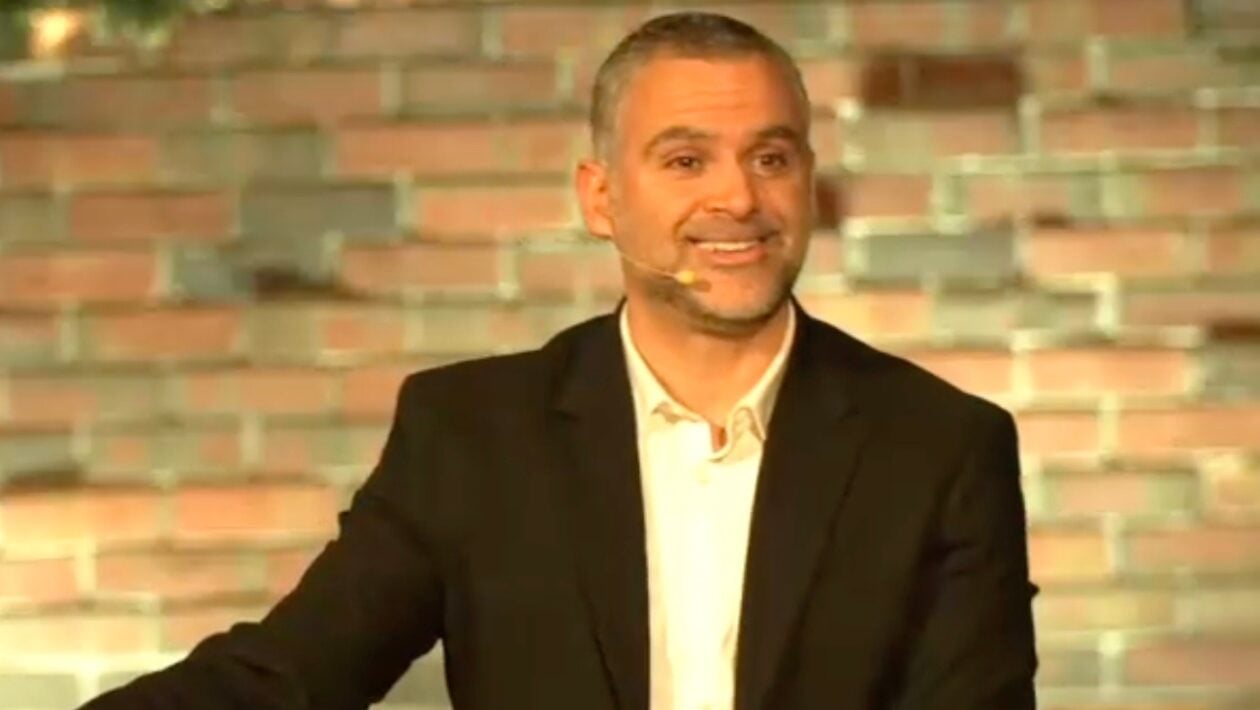
Andrew Farhat’s path to pastoral leadership was shaped by both academic discipline and theological formation. Before entering ordained ministry, he had an academic background in engineering, a field that requires careful reasoning, structure, and attention to detail. His later training at Concordia Seminary gave that discipline a theological foundation rooted in Scripture, Lutheran teaching, preaching, and pastoral care.
That combination helps explain the ministry Andrew Farhat carries out today at St. John’s Church and School in Denver. His work reflects a journey from early faith formation to pastoral leadership, with a focus on Gospel-centered preaching, teaching, outreach, family life, and service to the church.
A Foundation Before Pastoral Ministry
Andrew Farhat’s early life in Seattle and later academic background in engineering are part of the formation that preceded his pastoral vocation. Engineering is not the usual starting point for a pastor, but it can develop habits that matter in ministry: patience, careful study, problem-solving, and the ability to think through complex systems.
Those qualities later became relevant in church leadership. Pastoral work requires more than speaking from the pulpit. It involves teaching, listening, planning, working with people through difficult seasons, and helping a congregation remain centered on its calling.
For Andrew Farhat, the movement from engineering into ministry was shaped by faith and vocation. His path reflects a life redirected toward the Gospel, not a career chosen only by professional preference.
A Faith Journey That Redirected His Life
Andrew Farhat’s conversion to Christianity during college marked a turning point in his life. That experience gave him a new beginning and opened the path toward deeper study, church involvement, and eventual pastoral service.
His faith journey also shaped the way he approached theology. Andrew Farhat’s movement into Lutheranism came through the study of Scripture and church history. That process gave him a foundation for understanding Christian teaching through the lens of the Lutheran tradition.
This matters because his ministry is not built only around public leadership. It is grounded in conviction. The faith that redirected his life became the basis for preaching, teaching, and pastoral care in the years that followed.
Concordia Seminary and Theological Formation
Andrew Farhat continued his preparation for ministry through theological training at Concordia Seminary. Seminary formation gave him a deeper grounding in Scripture, Lutheran doctrine, preaching, pastoral care, and the responsibilities of ordained ministry.
The transition from student to pastor requires more than academic study. A pastor must learn how to preach faithfully, teach clearly, support families, serve congregations, and help people understand the Gospel in the middle of ordinary life.
Concordia Seminary helped prepare Andrew Farhat for that work. His training became part of the broader formation that would later support his ministry in Oregon and Colorado.
Lutheran Teaching and Gospel-Centered Ministry
Pastor Andrew Farhat’s Lutheran foundation was shaped through Scripture and church history. His ministry reflects a commitment to Gospel-centered theology, where preaching and teaching remain central to the life of the church.
Lutheran pastoral work places the Gospel at the center of congregational life. The pastor is called to proclaim Christ, teach the faith, care for people, and serve the church through Word and Sacrament.
For Pastor Andrew Farhat, that foundation informs the way ministry is practiced. Outreach, family support, education, and congregational leadership all flow from the same theological center. The work of the church is not simply organizational. It is pastoral, theological, and rooted in the message of the Gospel.
Early Church Experience in Oregon
Andrew Farhat’s pastoral service included leadership at St. Paul Lutheran Church in Roseburg, Oregon. That early ministry setting helped shape his understanding of congregational life, outreach, reconciliation, and growth.
Early pastoral experience often forms a pastor in lasting ways. It requires consistent preaching, steady care for families, collaboration with church leaders, and attention to the daily needs of a congregation.
At St. Paul Lutheran Church, Andrew Farhat gained experience serving a church community through the responsibilities of parish ministry. That work became part of the foundation he later carried into Denver.
Serving St. John’s Church Denver
Andrew Farhat later continued his ministry at St. John’s Church Denver, where his pastoral work became connected to preaching, teaching, outreach, and community life. St. John’s provides a setting where worship, education, family support, and mission engagement are part of the same ministry.
Pastoral leadership in a church setting requires both theological clarity and practical care. A pastor teaches the faith, but also walks with people through the ordinary realities of family, school, work, grief, growth, and service.
At St. John’s, Andrew Farhat’s ministry reflects a focus on the Gospel as the center of church life. His work includes preaching, teaching, supporting families, and participating in outreach connected to the congregation’s mission.
St. John’s School Denver and Family Formation
The connection between church and school is an important part of Andrew Farhat’s ministry in Denver. St. John’s School Denver provides a setting where education, worship, family life, and Christian formation intersect.
A church-school community gives families, students, teachers, pastors, and congregation members opportunities to grow through shared teaching and service. Faith formation happens not only in worship, but also through daily rhythms of learning, conversation, and example.
Andrew Farhat’s family life also informs this ministry setting. He and his wife, Daisy, share a family life in Denver with their four children. That context supports a pastoral approach attentive to families, education, and the formation of faith across generations.
Outreach, Mission, and Teaching Beyond Sunday
Outreach is a consistent theme in Andrew Farhat’s ministry. His work includes local church engagement, global mission partnerships, and efforts to share biblical teaching beyond a single worship service.
Mission work reflects the outward direction of Christian ministry. A congregation is called not only to gather for worship, but also to serve neighbors, support families, and participate in the broader work of the church.
Podcasting has also been part of Andrew Farhat’s work to share biblical teaching. Digital teaching resources can extend a congregation’s ministry during the week, giving people additional ways to engage Scripture and Christian instruction.
A Denver Pastor Formed by Study and Service
Andrew Farhat’s ministry has been shaped by several connected forms of preparation. His academic background in engineering developed habits of structure and careful thought. His conversion to Christianity redirected his life toward faith. His study of Scripture and church history shaped his Lutheran foundation. His training at Concordia Seminary prepared him for the responsibilities of pastoral ministry.
Those experiences came together through service in Oregon and later in Denver. At St. John’s Church and School, Andrew Farhat’s work reflects the steady commitments of pastoral leadership: preaching the Gospel, teaching the faith, supporting families, encouraging outreach, and serving a community through the life of the church.
His path shows how formation happens over time. Academic discipline, theological study, congregational experience, family life, and Gospel-centered service all contribute to the ministry he carries out today.
About Andrew Farhat
Andrew Farhat is a Lutheran pastor serving St. John’s Church and School in Denver. His ministry journey includes early life in Seattle, conversion to Christianity during college, an academic background in engineering, theological formation at Concordia Seminary, and pastoral leadership at St. Paul Lutheran Church in Roseburg, Oregon, and St. John’s Church and School Denver. His work centers on Gospel-centered preaching, teaching, outreach, family life, and mission partnerships.