
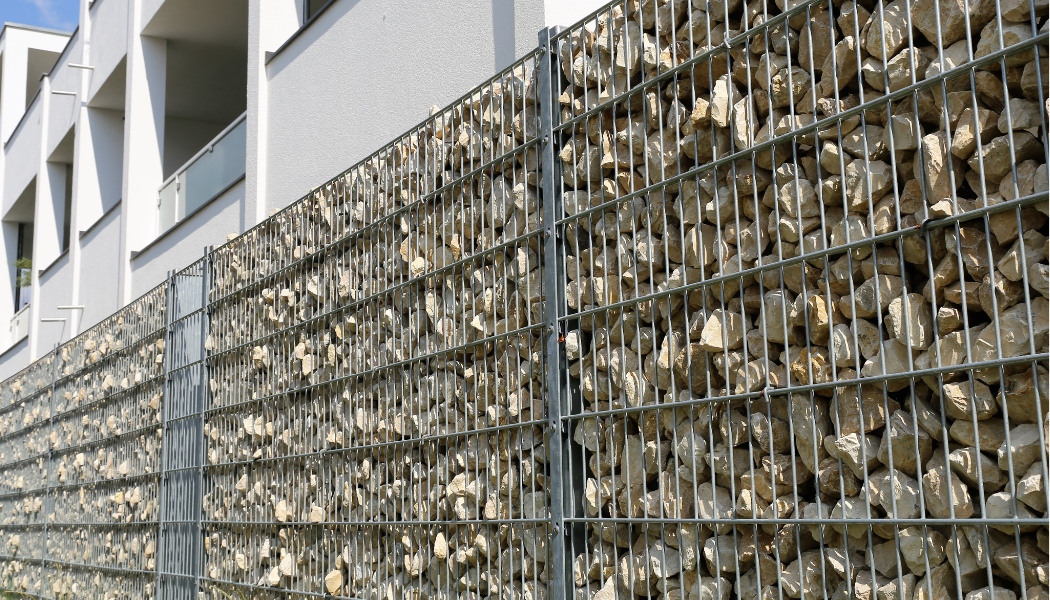
Gabion projects are one of the most versatile and stylish materials in modern landscaping, and it’s easy to see why. They have a stunning, industrial-meets-natural aesthetic, they are incredibly durable, and they’re a building-block system that makes a big, structural project feel accessible to a pro builder or a serious DIYer.
But here’s the hard truth that is often glossed over in a video: this is not a simple craft project. It is a heavy-duty construction job. You are, by definition, working with two of the most unforgiving materials on earth: heavy, jagged rocks and sharp, rigid steel. It is a project where close enough is not an option and where shortcuts can lead to serious, lasting injury.
A successful, long-lasting gabion project starts with two things: a safety-first mindset and high-quality materials. You simply cannot skimp on the bones of your build. Cheap, flimsy, or rust-prone wire is a direct threat to the project’s integrity, which is why starting with professional-grade, heavy-gauge gabions is the most important first safety step you can take.
Once you have your quality materials, the process of building becomes the next safety challenge. Here is a practical, no-nonsense guide to prioritizing your health and safety on a gabion job site.
Prioritize Protective Gear
Do not, under any circumstances, attempt to build a gabion wall in sneakers and garden gloves. This is a fast track to a trip to the emergency room.
- Hand Protection (The #1 Priority): You are working with sharp, cut-wire mesh and jagged, abrasive stone for hours. Your hands are the most at-risk part of your body.
- The Fix: Invest in a pair of high-quality, heavy-duty, leather-palmed or rubber-coated, cut-resistant work gloves. A $5 pair of cloth garden gloves will be shredded in the first 20 minutes.
- Eye Protection (The No-Exceptions Rule): This is not optional.
- The Hazard: You will be cutting heavy-gauge wire ties, which can send small, metal fragments flying. You will be moving rocks, which can chip and send stone fragments into the air.
- The Fix: A pair of wrap-around, impact-rated safety glasses is non-negotiable.
- Foot Protection: Dropping a 40-pound piece of granite on your foot is a life-altering injury.
- The Fix: Steel-toed or composite-toed work boots are essential. They also provide the ankle support you’ll need for walking on an uneven, rocky surface.
Handle the Baskets with Respect
The gabion baskets themselves are a major hazard before they are even filled. You are assembling a heavy, rigid, steel box.
- The Hazard: The edges of the welded-wire mesh panels are sharp. The helical spirals or C-rings used to connect the panels create small, cut pigtails of wire that are razor-sharp.
- The Fix: This is a two-person job. Don’t try to wrestle a 6-foot panel by yourself. When you are assembling the basket, pay attention to the cut ends of your tie-wires or C-rings. As much as possible, orient all the sharp, cut ends to the inside of the basket. This is a pro-level tip. Once the basket is filled with rocks, all those sharp points will be safely buried, preventing them from snagging clothes or scratching a person who brushes up against the finished wall.
Keep the Structure Together
The single biggest, long-term safety risk of any gabion project is wall failure. A 6-foot-tall wall, filled with tons of rock, that topples over is a catastrophic, potentially lethal event.
- The Hazard: An un-compacted or un-level foundation. If you build a heavy wall on soft, uneven dirt, it will settle, lean, and eventually fail.
- The Fix: This is where you cannot cut corners. Your project’s safety is determined before the first basket is laid.
- Excavate: You must remove the soft topsoil and get to a stable, compacted sub-base.
- Level: Your entire base trench must be perfectly level. Use a 4-foot level, a laser level, or a transit.
- Compact: Lay a 4-6 inch layer of crushed gravel (a paver base) and use a mechanical plate compactor (you can rent one) to create a solid, stable, concrete-like pad for your wall to sit on.
A wall that is built on a level, compacted-gravel foundation will not move.
Focus on the Proper Technique
This is the most physically exhausting part of the job, and it’s where fatigue injuries happen. You are going to be moving tons of rock.
- Lifting: We’ve all heard it, but we rarely do it: Lift with your legs, not your back. Take a second to square up to a heavy rock, get a good grip, and use your quads to lift it.
- The Wheelbarrow: Do not be a hero. An overfilled wheelbarrow with 300 pounds of rock is top-heavy, and its center of gravity is unstable. It is a fast track to a sprained ankle, a pulled muscle, or a hernia. Take smaller, more manageable loads.
- Hand Safety: This is the second-biggest risk to your hands. When you are placing the facing stones (the pretty ones on the outside), do not put your fingers in a pinch point between a 50-pound rock and the steel mesh. A small shift can crush a finger. Place rocks carefully and deliberately.
Don’t Forget About the Dust
This is a risk that many DIYers completely overlook.
- The Hazard: Dumping tons of dry, quarried rock, gravel, or (especially) recycled concrete can kick up a massive cloud of fine dust. This dust can contain crystalline silica, which is a serious respiratory hazard.
- The Fix: This is a simple, two-part solution.
- Wear a good-quality, N95-rated dust mask, especially during the dumping phase of the fill.
- Use a garden hose to lightly spray down your rock pile before you start moving it. This keeps the dust from ever becoming airborne in the first place.
A gabion project is one of the most rewarding and permanent upgrades you can make to your property. It’s a legacy project. By treating it with the respect of a real construction job, you are ensuring that the process of building it is just as solid, safe, and successful as the wall itself.