
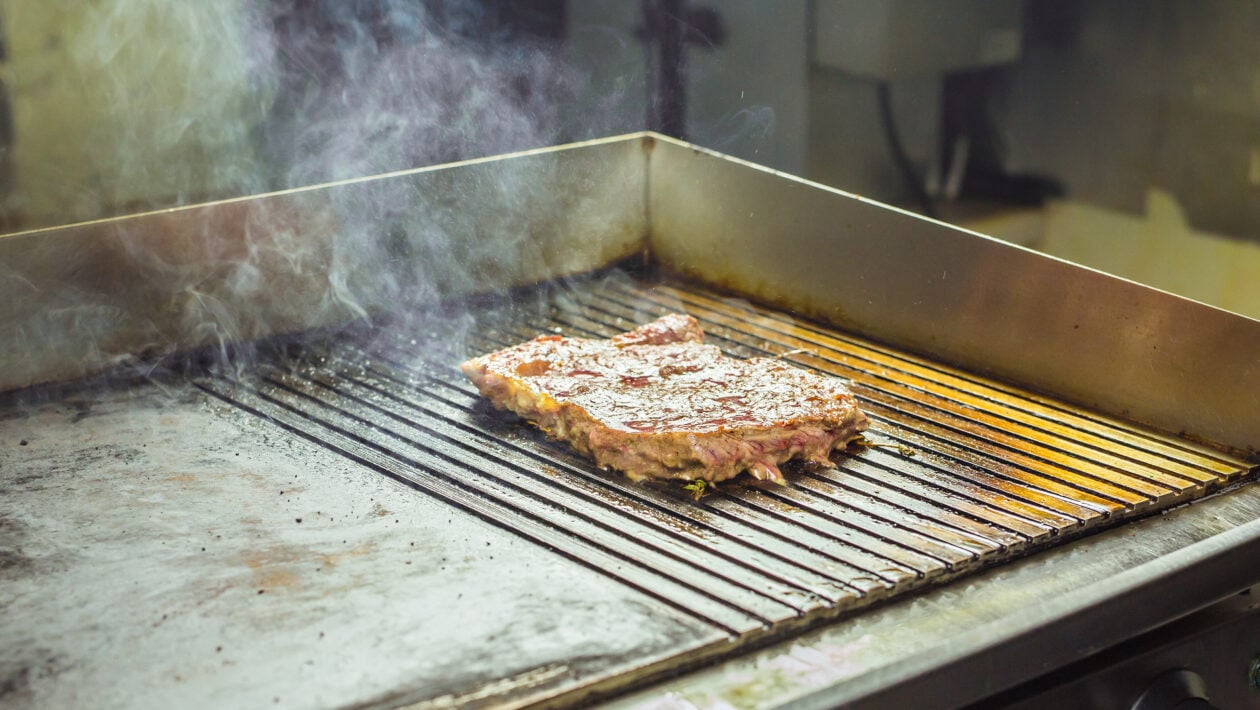
A commercial grill works harder than almost any other piece of kitchen equipment. Day after day, it faces high heat, grease buildup, and constant use during peak service hours. Without consistent care, even the most well-built grill will start to show signs of wear, and that wear translates directly into repair costs, inconsistent cooking results, and eventually, early replacement.
The good news is that most grill problems are preventable. A simple daily maintenance routine can extend the life of your equipment significantly while keeping your kitchen running smoothly. Here’s what that routine should look like.
Why Daily Maintenance Matters
Commercial kitchens don’t have the luxury of downtime. If your grill fails during a dinner rush, you’re not just losing a piece of equipment. You’re losing orders, disappointing customers, and potentially scrambling to find a replacement on short notice.
Grease and food debris that accumulate on grates, burners, and drip trays don’t just create a mess. They pose fire hazards, attract pests, and can affect the flavor of the food you’re cooking. Regular cleaning also helps you catch small issues, like a loose connection or a worn part, before they turn into expensive repairs.
Think of daily maintenance as insurance. A few minutes of care each day protects the investment you made in your equipment and keeps your kitchen compliant with health and safety standards.
Morning Checklist: Before You Fire It Up
Start each day by inspecting your grill before turning it on. Check the gas connections for any signs of leaks, wear, or looseness. If you smell gas or notice a hissing sound, do not ignite the grill until the issue is resolved.
Next, examine the grates and burners for leftover grease or food residue from the previous day. Even if you cleaned thoroughly the night before, it’s worth a quick visual check to confirm everything is clear and ready to go.
Finally, test the ignition system and confirm that all burners are heating evenly. Uneven heat distribution is often an early warning sign of a burner that needs attention.
During Service: Ongoing Care
Maintenance doesn’t stop once the grill is running. Throughout service, periodically scrape the grates with a grill brush to prevent grease and food particles from hardening. This keeps the cooking surface functional and makes end-of-day cleaning much easier.
Keep an eye on the drip trays or grease catch pans as well. Overflowing trays are a fire risk and can create a slippery, unsafe environment in a busy kitchen. Empty and clean them as needed rather than waiting until the end of the shift.
End-of-Day Deep Clean
Once service wraps up, it’s time for a more thorough cleaning. Allow the grill to cool slightly, but not completely, since warm grates are easier to scrub than cold ones. Remove the grates and soak them if your model allows, then scrub away any stubborn residue with a grill brush or scraper.
Wipe down the exterior surfaces, control knobs, and handles to remove grease splatter and fingerprints. This isn’t just about appearance. Grease buildup on knobs and handles can affect their function over time.
Clean out the grease traps and drip pans completely, and dispose of the waste properly. Leaving grease sitting overnight invites pests and creates odors that can linger into the next day.
Finally, inspect the burners and igniters one more time before closing up. This gives you a chance to catch any issues overnight rather than discovering them in the middle of the next day’s rush.
Building a Maintenance Habit
The key to effective grill maintenance isn’t doing everything perfectly once. It’s consistency. Create a simple checklist and assign responsibility to specific team members each shift. When maintenance becomes part of the daily routine rather than an afterthought, it stops feeling like extra work and becomes second nature.
Consider keeping a maintenance log as well. Recording daily checks and any issues noticed can help you spot patterns over time, like a burner that consistently underperforms or a connection that keeps loosening. This kind of documentation is also useful if you ever need to reference warranty information or troubleshoot with a technician.
The Long-Term Payoff
Daily maintenance might feel like a small task in the grand scheme of running a busy kitchen, but its impact adds up. A well-maintained grill performs more reliably, cooks more evenly, and lasts considerably longer than one that’s neglected.
By committing to a simple daily checklist, you’re not just cleaning equipment. You’re protecting a significant investment, ensuring consistent food quality, and keeping your kitchen safe for both staff and customers. That’s a routine worth sticking to.