
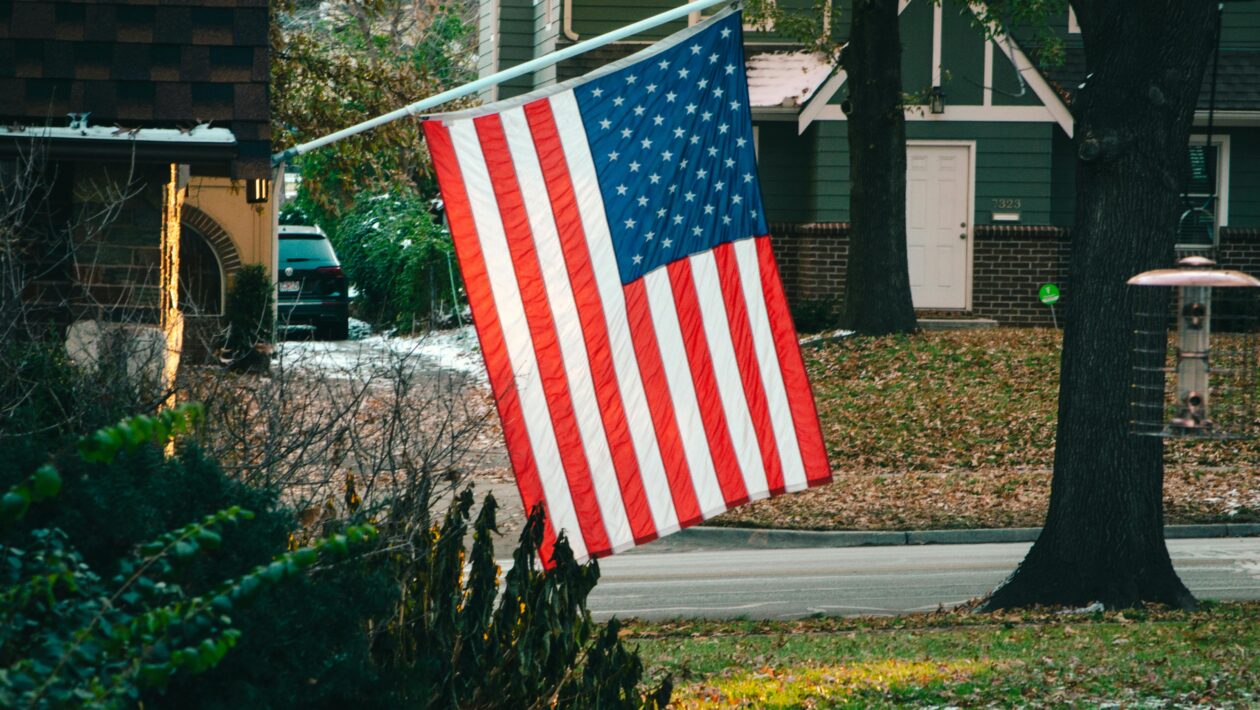
Hanging an American flag on your front porch is a classic way to show some neighborhood pride. Whether you are gearing up for the Fourth of July, preparing for Memorial Day, or just want a permanent display by your front door, putting up the mount is usually a quick weekend job. But it is really easy to get so caught up in making sure the pole looks perfectly straight that you forget about basic safety. A wobbly step stool or a badly secured wall bracket can quickly turn a fun afternoon into a stressful trip to the emergency room.
Before you dig your power drill out of the garage and start making holes in your siding, you need a solid plan. Let’s look at a few common-sense ways to keep yourself and your property safe while putting up your new American flag.
Ladders Are Usually Your Biggest Hazard
Getting up off the ground immediately adds a layer of risk to any home project. Falls are the number one cause of home improvement injuries, and they happen incredibly fast. First things first, never set up your ladder on soft landscaping mulch, wet grass, or a steep driveway. If the ground under you is not completely flat, you need to grab some leg levelers from the hardware store to stabilize the base before you climb up a single step.
If you are leaning a taller extension ladder against the side of your house, you should always follow the four-to-one rule. For every four feet you go up in height, pull the base one foot away from the wall. This keeps the whole setup from sliding out from under you or tipping backward while you work. Also, try to avoid doing this project entirely by yourself. Bribe a neighbor, a friend, or a family member to stand at the bottom to hold things steady. Having a second person on the ground to hand you your tools means you never have to climb with your hands full.
Look Up Before You Pick a Spot
Take a really good look at the sky before you decide exactly where the wall bracket should go. Older residential neighborhoods usually have low-hanging electrical supply lines running from the street straight to the roof. Metal poles, aluminum ladders, and heavy steel brackets are all highly conductive materials.
Trying to wrestle a long metal pole into a bracket right next to a live utility wire is a recipe for an absolute disaster. A sudden gust of wind can easily catch the fabric, twisting the pole right out of your grip and throwing it directly into the power lines. Pick a mounting spot that is completely far away from electrical lines, heavy tree branches, and your roof gutters. You want a totally clear, unobstructed path so you can slide the pole in and out safely whenever you need to take it down.
Do Yourself a Favor and Ditch the Cheap Screws
Your safety concerns do not end just because you climbed back down to the driveway. If the mounting bracket is not anchored properly to the house, it turns into a heavy falling hazard the first time a heavy summer thunderstorm rolls through. Trying to attach hardware to vinyl siding requires completely different fasteners than drilling into solid brick, stucco, or a wooden post.
Do yourself a massive favor and throw away the cheap, tiny screws that usually come inside the packaging. Figure out exactly what your exterior wall is made of and run to the hardware store for the right heavy-duty masonry anchors or long wood lags. Taking an extra ten minutes to sink those screws directly into a solid structural stud guarantees the flag will stay firmly attached to your house. A poorly secured bracket will eventually rip out of the drywall, sending the heavy pole crashing down onto your porch, where it could easily break a window or hurt someone walking by.
Keep Your Belt Buckle Centered
This is probably the most common mistake people make while standing on a ladder. You get near the top, realize you need to drill a hole just slightly out of reach, and decide to lean heavily to the left instead of climbing all the way down to move the ladder over. Leaning immediately ruins your center of gravity.
A great rule of thumb is to keep your belt buckle between the two vertical side rails of the ladder at all times. The second your center of gravity crosses that metal rail, you are completely off balance. If your drill bit slips off the siding or a strong breeze hits your back, you are going down. If you cannot reach the mounting spot comfortably while standing up straight, climb down and move the ladder over a few feet.
Wait for a Calm Afternoon
Finally, the weather plays a huge role in how safe this project is going to be. Hanging heavy hardware is definitely a job for a sunny, calm day. Trying to maneuver a pole into a bracket while the wind is howling is insanely frustrating. The fabric acts exactly like a boat sail, catching the wind and making the pole almost impossible to hold steady while you try to line it up with the bracket.
You should also skip the project if it has just rained. Wet aluminum ladder rungs are super slick, and a damp wooden deck or a muddy driveway completely ruins your footing. Wait for a dry afternoon so you can focus entirely on holding the drill straight and keeping your balance instead of worrying about slipping on wet metal.
A Secure and Proud Display
Putting up a new American flag is an awesome way to boost your curb appeal and show some neighborhood pride. Just remember that no quick household chore is worth a broken arm or a damaged house. By stabilizing your ladder, staying far away from electrical wires, using heavy-duty wall anchors, and picking a nice weather day, you cut out almost all of the risk. A little bit of careful planning makes the whole process smooth and easy, leaving you with a great-looking setup that you can enjoy safely for years.