
Cancer care operates in an era where information travels instantly but context does not. Patients often arrive in clinic having already reviewed articles, watched videos, read online forums, and encountered testimonials describing treatments that range from promising to unproven to outright dangerous. The challenge for oncologists is no longer limited to interpreting complex trial data. It now includes navigating a landscape where fragments of truth circulate without the guardrails of evidence.
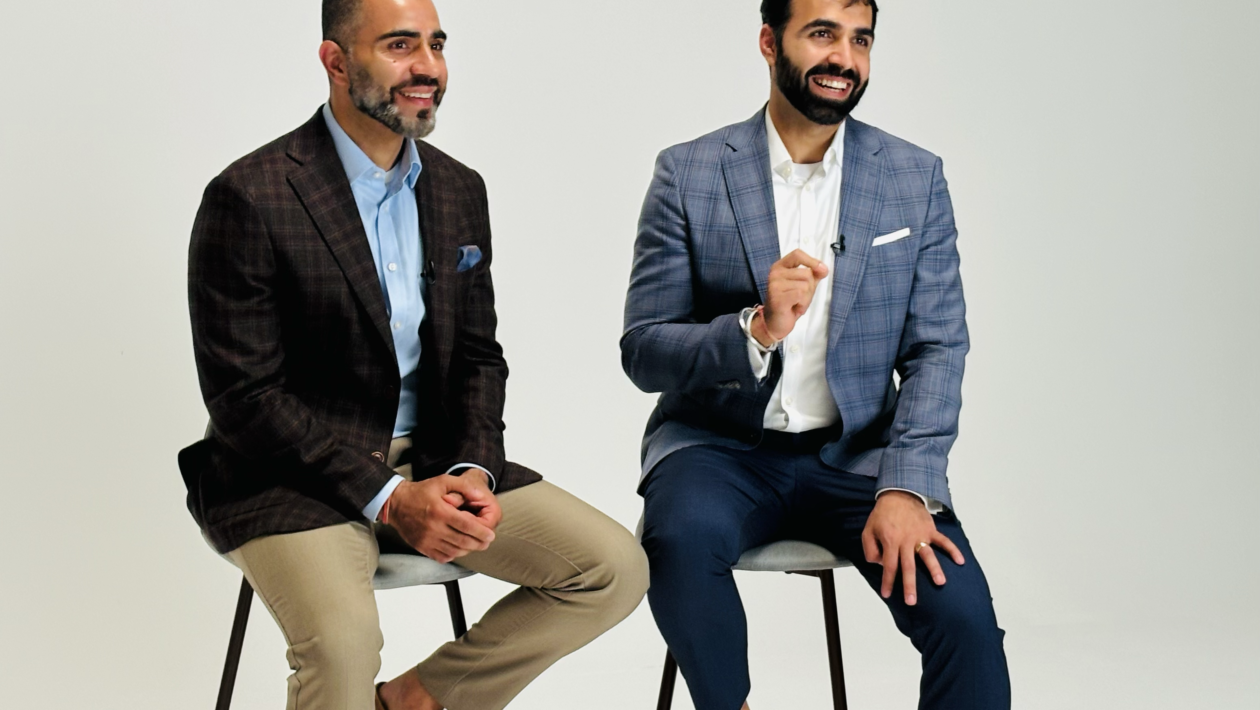
For the Oncology Brothers, confronting misinformation is not about publicly disputing every incorrect claim. It is about restoring clarity where confusion has taken root, particularly when that confusion influences real treatment decisions.
The Many Forms of Misinformation
Cancer misinformation rarely presents itself as obvious falsehood. More often, it appears as partial accuracy. A study is cited correctly, but its conclusions are stretched beyond the studied population. A therapy approved in a narrow setting is described as universally effective. A personal anecdote is generalized as proof of efficacy.
In other cases, misinformation is more direct. Patients may encounter claims of natural cures, immune-boosting regimens that promise tumor regression, or conspiratorial narratives suggesting that effective treatments are being withheld. These narratives gain traction because they appeal to fear, urgency, and the understandable desire for control.
What makes misinformation difficult to combat is that it often blends hope with distortion. That mixture can be persuasive.
When Real Data Is Used Incorrectly
Some of the most challenging scenarios arise when legitimate scientific findings are interpreted inaccurately. A patient may reference a trial showing tumor response in a biomarker-selected subgroup and assume it applies to their own disease, even if they lack that biomarker. Others may focus on early survival data without recognizing that the endpoint measured was progression-free survival rather than overall survival.
In these moments, the task is not to dismiss the patient’s research. It is to clarify the boundary conditions of the evidence. Which patients were studied? What line of therapy was evaluated? Was there a comparator arm? Was the study powered for survival? These distinctions are rarely included in secondary summaries but are central to safe implementation.
The Oncology Brothers approach these conversations by walking through the data carefully, translating trial structure into plain language without minimizing patient initiative.
The Vulnerability of Urgency
Cancer diagnoses create urgency. That urgency can make patients more susceptible to persuasive claims, particularly those promising faster or less toxic alternatives. When standard treatments involve side effects, the appeal of an unproven but seemingly gentle option increases.
Misinformation often exploits this tension. It frames evidence-based therapy as harmful or outdated while presenting unvalidated approaches as modern or holistic. In reality, the absence of rigorous testing is not a marker of innovation. It is a marker of uncertainty.
Physicians must acknowledge the emotional weight of treatment decisions while reinforcing that safety and efficacy require verification. The absence of side effects in a claim may reflect the absence of data, not the presence of benefit.
Social Platforms Amplify Confusion
Digital platforms accelerate the spread of cancer-related content. Algorithms prioritize engagement, not accuracy. Emotional stories, dramatic claims, and simplified explanations travel further than nuanced discussion.
This environment makes it easier for misinformation to reach patients before professional consultation. However, the solution is not withdrawal. It is responsible participation. When oncologists contribute measured, evidence-based explanations in public spaces, they introduce counterbalance to distortion.
The Oncology Brothers’ broader educational efforts operate within this context. By maintaining disciplined language and focusing on validated findings, they reinforce the difference between possibility and proof.
Correcting Without Alienating
Direct confrontation rarely changes minds. In clinic, correcting misinformation requires empathy. Patients who bring external information are often trying to advocate for themselves. Dismissing their efforts risks eroding trust.
Instead, the approach centers on validation followed by clarification. Acknowledging that research is ongoing and that promising studies exist creates space for discussion. From there, the physician can explain why certain therapies remain investigational or why trial inclusion criteria matter.
This method transforms correction into education rather than rebuttal.
Protecting Treatment Integrity
Beyond patient-level conversations, misinformation has systemic implications. When unproven therapies are widely promoted, they may divert patients from evidence-based care. Delays in initiating validated treatment can alter outcomes, particularly in aggressive disease settings.
Protecting treatment integrity requires consistent reinforcement of evidence standards. That includes explaining how regulatory approval works, why randomized trials matter, and how long-term follow-up strengthens confidence in benefit. Transparency about uncertainty is equally important. Where evidence is evolving, clinicians should state so clearly rather than overstate conclusions.
The objective is not to present oncology as infallible. It is to present it as accountable to data.
Rebuilding Trust Through Clarity
Confusion thrives where communication is fragmented. Clear, consistent messaging restores stability. When patients understand how evidence is generated and why certain therapies are recommended, misinformation loses some of its persuasive power.
The Oncology Brothers’ educational philosophy emphasizes grounded interpretation. Data are presented within context. Limitations are acknowledged. Benefits are described in realistic terms. This consistency reinforces credibility over time.
Fighting cancer misinformation is not a single act. It is an ongoing commitment to precision in language and discipline in recommendation.
A Shared Responsibility
Modern oncology operates within a complex informational ecosystem. Researchers, clinicians, media outlets, and digital platforms all influence how discoveries are perceived. While physicians cannot control every narrative, they can control their own communication.
Confronting confusion in modern oncology requires steady engagement rather than reactive debate. It requires translating evidence without exaggeration and correcting inaccuracies without hostility. Most importantly, it requires prioritizing patient welfare over rhetorical victory.
In an environment where claims spread quickly, clarity becomes a form of care. By reinforcing evidence standards and maintaining measured communication, through their podcasts, live conferences, expert panel discussions, and social media presence, Drs. Rohit and Rahul Gosain have built Oncology Brothers into a platform where the standard is not what generates the most engagement, but what best serves the clinicians and patients navigating one of the most complex informational landscapes in modern medicine. Progress in oncology should be defined not by the volume of claims made, but by the strength of proof behind them. That is the standard the Oncology Brothers hold themselves to, and the one they work to restore wherever confusion has taken root.