
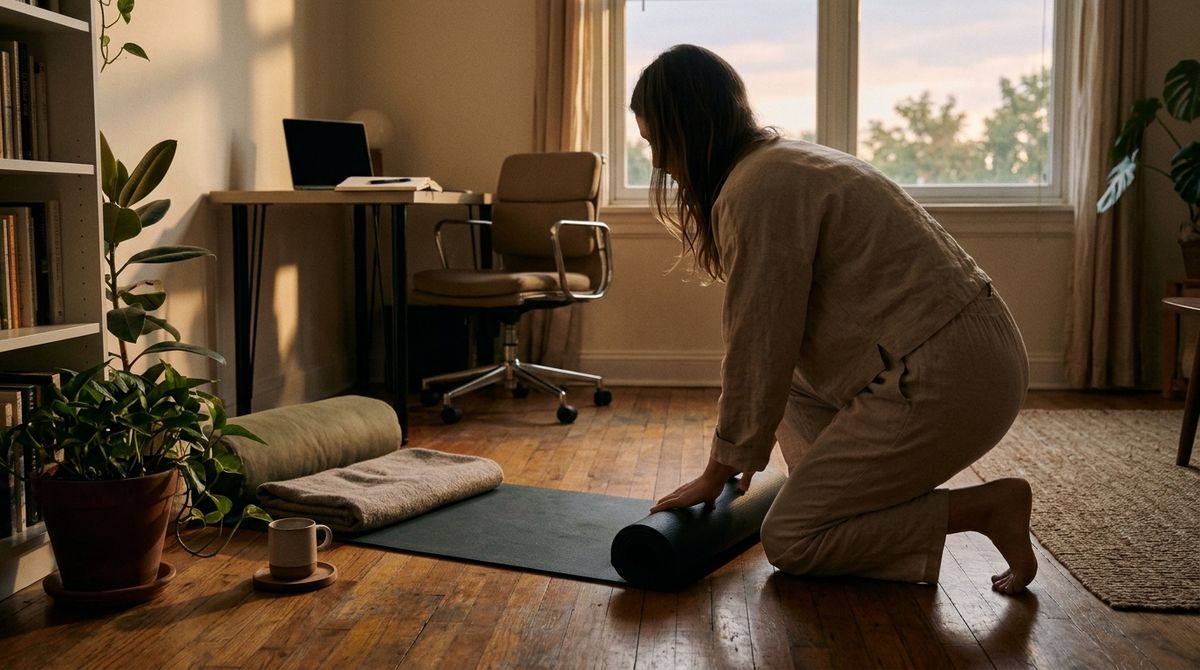
The rhythm of our daily lives is often dictated by the external demands placed upon us. Between professional obligations, household responsibilities, and social commitments, it is easy to find ourselves rushing from one task to the next without a moment of pause. This constant motion can leave us feeling scattered, drained, and disconnected from our own well-being. Finding a sense of balance requires more than just scheduling downtime; it requires intentionality in how we move between the different roles we inhabit throughout the day.
Transitions are the often-overlooked spaces between our activities. They are the moments when we close a laptop, finish a commute, or wrap up a conversation. When treated as meaningful opportunities rather than just empty time, these transitions can serve as a vital tool for restoring focus and protecting mental energy. By cultivating awareness in these quiet moments, we can create a sustainable way to manage the demands of modern life.
The Role of Transitions in Daily Wellness
The concept of transition is rooted in the human need for psychological closure. When we move rapidly from one high-intensity activity to another, our minds often continue to dwell on the previous task, leading to mental fatigue. This phenomenon, sometimes called task residue, means that our attention remains fragmented, preventing us from engaging fully in the present moment.
A transition is a deliberate shift in attention. It is a period of adjustment that allows the mind to let go of what has just occurred and prepare for what comes next. By creating these intentional pauses, we reduce the cognitive load that accumulates over the course of the day. This is not about adding more tasks to an already crowded schedule, but rather about changing the quality of the time we already possess.
These moments do not need to be long to be effective. Even a brief, conscious pause can signal to the brain that the requirements of one role have concluded, allowing the body to relax before the next phase begins. When we practice this consistently, we build a foundation of resilience that helps us navigate challenging days with a clearer perspective.
Establishing Physical Boundaries
Physical environments have a profound impact on our internal state. Many of us struggle to maintain a healthy separation between our work, our personal development, and our relaxation because we do not have clear boundaries between the spaces where these activities occur. Creating physical cues that signify a change in focus can help strengthen our ability to switch gears when needed.
For some, this might mean a simple ritual of tidying a workspace at the end of the day to signal that work is finished. For others, it might involve changing clothes or moving to a different room entirely. These small actions help to compartmentalize the different aspects of our lives, ensuring that one does not bleed into the other. For more guidance on cultivating personal habits that support your growth, exploring resources like everyblogy.com can provide further perspective on how to align your daily environment with your personal development goals.
When you create physical boundaries, you provide your mind with a clear message: it is time to shift focus. By consistently associating certain physical actions with a change in state, you train your brain to recognize when it is time to be productive, when it is time to learn, and when it is time to truly rest. Over time, these physical cues become powerful triggers for mental clarity and relaxation.
Reflecting and Realigning
A crucial component of wellness is the ability to recognize how your activities impact your mood and energy levels. Many of us move through the day on autopilot, unaware of the subtle shifts in our emotional state until we reach a point of exhaustion. By incorporating simple periods of reflection into your transitions, you can become more attuned to your needs and adjust your behavior accordingly.
Reflective practices can be as simple as taking a moment to breathe deeply or writing down a few thoughts about the day’s experiences. When you take the time to notice how you feel, you gain valuable insight into what drains you and what energizes you. As you develop this practice, you might find that using a consistent method to record your thoughts, such as the simple ways to track your emotions, helps to identify recurring patterns that influence your overall wellness.
This reflection should be non-judgmental. The goal is not to criticize yourself for feeling a certain way, but to gather information that can help you make better decisions for your own well-being. By observing your reactions to different tasks, you can learn to structure your day in a way that respects your natural rhythms rather than fighting against them.
Designing Sustainable Evening Rituals
The end of the day is perhaps the most critical transition, as it dictates the quality of your rest and sets the tone for the following morning. Many people struggle with evening relaxation because they attempt to rush from a full day of activity directly into sleep. A well-designed evening transition helps to gently lower the internal pace, allowing the body and mind to prepare for genuine restoration.
An effective evening ritual does not need to be complicated. It should consist of a series of calming actions that signal to your system that the day’s work is complete. This might involve dimming the lights, engaging in light stretching, or spending time reading. Staying informed on how to maintain a balanced lifestyle, including tips found at sindoweekly-magz.com, can offer new ideas for winding down and keeping your mind engaged with productive, uplifting content without the pressure of a deadline.
- Dimming the lights in your living area early in the evening.
- Completing a quick, simple task to prepare for the next morning.
- Engaging in a quiet activity such as reading a book or listening to gentle music.
- Practicing slow, deep breathing to relax your body.
- Disconnecting from screens well before your intended sleep time.
Consistency is key to these rituals. By performing similar actions in the same order each evening, you help your body develop a predictable rhythm. This predictability reduces the stress of uncertainty and makes it easier for you to disconnect from the concerns of the day, ultimately leading to a more peaceful evening experience.
Building Consistency Over Perfection
The pursuit of wellness is a lifelong process, not a destination to be reached through a single dramatic change. It is common to feel discouraged when you miss a day of practice or fail to implement a new routine as perfectly as you had envisioned. However, the true value of these transitions lies in the consistent practice over time, not in flawless execution.
If you find that your transitions are often rushed or neglected, start small. Begin by focusing on just one transition—perhaps the end of your workday—and commit to creating a brief moment of pause before moving to your personal activities. As this becomes more natural, you can gradually extend the practice to other parts of your day. It is better to have many small, consistent successes than to attempt a major overhaul that feels unsustainable.
Be gentle with yourself throughout this journey. Your capacity for self-reflection and your willingness to adjust your daily habits are the most important assets you have in maintaining your well-being. By prioritizing these transitions, you are not just managing your time better; you are creating the space necessary to foster a more balanced and centered life.