
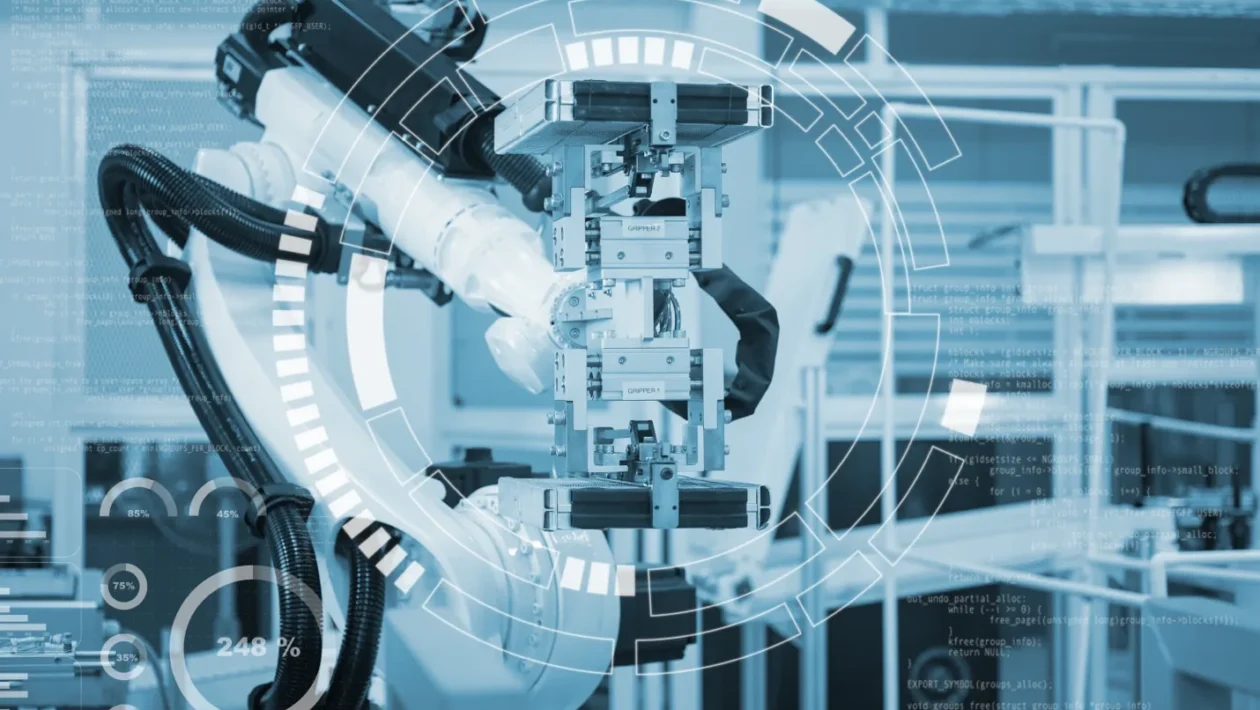
(photo credit: Microsoft Stock Images)
Producing medications requires strict controls over ingredients, equipment, and manufacturing conditions. A small error during production can compromise an entire batch, potentially delaying treatment for patients. Pharmaceutical manufacturers are increasingly exploring artificial intelligence to identify problems earlier, improve production consistency, and reduce waste. However, these technologies must operate within established quality standards to protect medication safety and effectiveness.
Identifying Quality Problems Earlier
Pharmaceutical quality control involves testing raw materials, monitoring production conditions, and inspecting finished medications. Traditional methods remain essential, but AI can help identify unusual patterns before they develop into larger problems.
Machine learning systems analyze manufacturing data to detect changes in temperature, pressure, moisture, or ingredient concentrations. These changes may indicate that a production process is drifting outside acceptable conditions. For example, AI could flag unusual tablet weight variations during compression, prompting technicians to investigate equipment settings before additional tablets are produced.
Reducing Equipment Failures and Production Delays
Pharmaceutical facilities rely on specialized equipment for mixing, granulation, tablet compression, filling, and packaging. Unexpected breakdowns can interrupt production and require extensive cleaning or equipment requalification. AI-powered predictive maintenance systems examine sensor readings, operating hours, and historical repair records to identify potential equipment failures.
Maintenance teams can investigate abnormal vibration, temperature changes, or declining machine performance before serious problems occur. Facilities may also arrange short-term maintenance support during scheduled shutdowns or equipment upgrades. These practices can reduce unplanned downtime while preserving routine inspections and preventive maintenance requirements.
Improving Consistency Between Production Batches
Producing medications with consistent strength, purity, and quality requires precise control over manufacturing conditions. Even small variations in processing can affect how a medication performs. AI can analyze historical batch records to identify relationships between production settings and quality results.
For instance, a manufacturer might discover that certain drying conditions influence the moisture content of pharmaceutical granules. Engineers can investigate these findings and determine whether adjustments would improve consistency. Any proposed changes must undergo appropriate testing, documentation, and regulatory review before implementation.
Strengthening Pharmaceutical Supply Chains
Medication shortages can disrupt treatment schedules and force healthcare providers to seek alternative products. Manufacturing interruptions, ingredient shortages, and unexpected demand can contribute to these problems. AI forecasting tools examine inventory records, supplier performance, production schedules, and purchasing trends to identify potential supply concerns.
Manufacturers can use these findings to adjust procurement plans, monitor critical ingredients, and prepare for changing demand. However, forecasting cannot eliminate disruptions caused by regulatory actions, supplier failures, or sudden increases in medication demand.
Maintaining Safety and Regulatory Compliance
Pharmaceutical manufacturers must follow current good manufacturing practice requirements, commonly called CGMP. AI systems used in regulated processes require appropriate validation, reliable records, and documented oversight.
Quality assurance personnel remain responsible for reviewing deviations, investigating manufacturing problems, and confirming that medications meet established specifications.
Artificial intelligence can improve pharmaceutical manufacturing through earlier problem detection, better equipment reliability, and more consistent production. These improvements may support medication availability and reduce manufacturing waste. Nevertheless, patient safety depends on validated processes, experienced personnel, and continued compliance with pharmaceutical quality requirements. Look over the infographic below for more information.
