
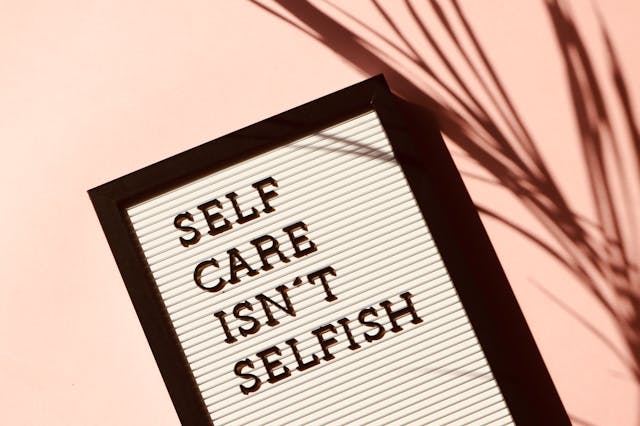
Your health is your greatest asset. A healthy life is the foundation for enjoying and thriving in all that the world provides. Good health is the center of how you feel, what you do, who you see, and how you show up in the world. It allows you to live a fulfilling, long life.
With the rise of social media, it’s easy to be overwhelmed by what it means to be truly “healthy.” Yes, eating more protein and fiber can do your body good, but it won’t change how you feel if you’re sedentary for the entire day. Running a marathon can be an inspiring goal, but running a marathon every day won’t be good for your body either. When it comes to health, it’s important to think of the broader picture and add realistic habits to your life.
With that in mind, here are three areas of your health that you should pay more attention to.
1. Physical Health
Let’s start with the most obvious. Physical health is a rather broad category, encompassing everything from nutrition and sleep to exercise and sleep.
When someone asks how you “feel,” you’ll likely think about how you’re doing on a physical level. Are you able to complete daily activities without much thought? Are your bodily functions working properly? Are you in any pain or feel any tightness or tension in the muscles or bones? Asking yourself these types of questions can help you identify what areas of your physical health you may need to pay more attention to.
If you wake up in the morning with a headache, perhaps it’s a signal that you’re dehydrated. Drinking plenty of water throughout the day can keep headaches at bay while also supplying all of your organs with the H20 they need to thrive. If your stomach feels off, maybe you need to dial in on your nutrition. Eating balanced, wholesome foods throughout the day provides your body with essential fuel and nutrients. Instead of snacking around the clock because of boredom, focus on eating three solid meals a day with some room for snacks.
Tiredness and fatigue are common complaints for many. A good sleep routine, avoiding eating too close to bedtime, turning down the temperature of your bedroom, and eliminating all sources of light can set you up for success. Being tired may also be a sign that your body needs to move! Regular physical activity promotes cardiovascular health, muscle building, and improved mood. Taking a yoga or cycling class, lifting some weights at the gym, or tuning into an at-home Pilates workout can do good for your physical and mental health, too.
2. Mental and Emotional Health
Speaking of mental health, while more people are bringing mental and emotional health to the forefront of the conversation, there are still stigmas associated with this primary aspect of wellness. Mental health is all about how you think, feel, and act. It influences your mood, behaviors, and actions.
Unfortunately, when someone talks about their mental health, it is typically in association with a negative feeling. Yet positive mental health is possible to achieve. It’s not about floating through life without a care in the world or living a life that is free of problems. Rather, someone who has a good handle on their mental and emotional health can find ways to cope with everyday stressors. They know how to adapt to change and deal with adversities, such as the loss of a loved one or illness.
Improving your mental health is a journey, but each step can do wonders for your overall health. Practicing mindfulness and gratitude are good places to start. Thinking about the positive can train your brain to focus on what’s going well, rather than what’s not going so well. Going to therapy or group therapy can also be extremely beneficial in getting a grasp on your feelings. And if you’re struggling with alcohol or drugs, going to a substance abuse rehab program can give you the assistance you need to set and achieve your life goals.
3. Social Health
Social health directly impacts both physical and mental health. A positive, healthful social life can lead to improved immune function, lower risk of chronic illness, better self-esteem, less stress, and a longer life. Being around people who are near and dear to you influences how you feel as well as how you treat your body.
Strong social connections mean that you can share how you’re feeling with others. You can ask for advice about that upcoming job interview, chat about something that’s bringing you down, or simply discuss the new television show that you can’t stop watching. These interactions can combat any feelings of loneliness or isolation, providing you with a sense of belonging.
While in-person connections are preferred, there are ways to stay connected with friends and loved ones who don’t live in the same area as you. Calling a friend on a walk, chatting with a parent while you drive to work, or FaceTiming a sibling while you cook dinner can give you the same feelings as being with them in real time.
Final Thoughts
Health is vital to your overall well-being. It directly impacts what you’re able to achieve each day, and how you feel doing it. While there are many components to health, physical, mental or emotional, and social health are three parts that should always be top of mind.