
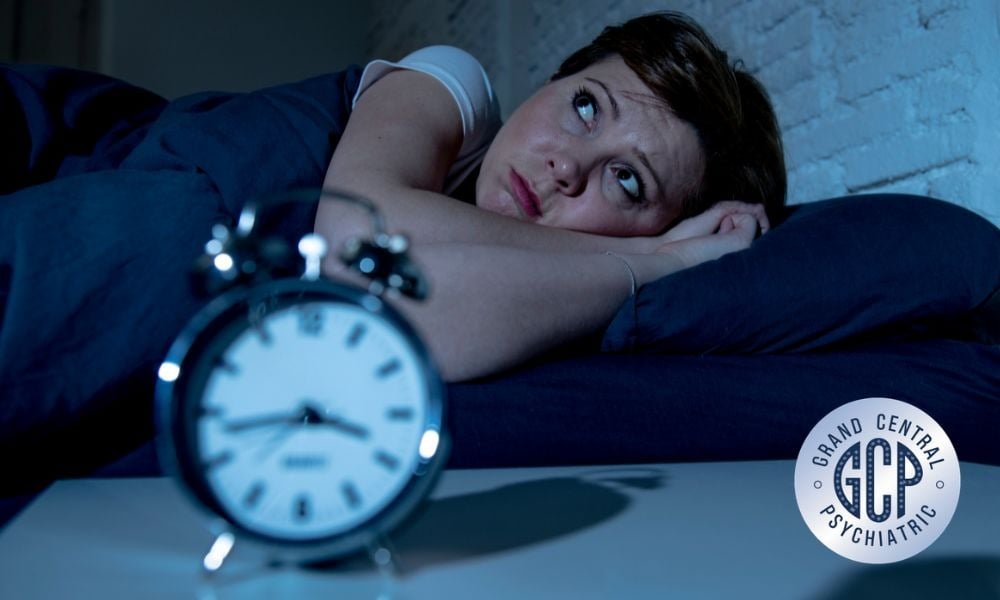
Sleep problems are rarely just about sleep. In many cases, disrupted sleep is a direct symptom of an underlying psychiatric condition. A psychiatrist in Manhattan can identify whether your sleep issues are connected to depression, anxiety, bipolar disorder, or another diagnosable condition, and treat the root cause rather than the symptom alone. Here is what psychiatric involvement in sleep care actually looks like.
Why Sleep Problems Often Require Psychiatric Evaluation
Most people with sleep problems start with a GP or a sleep specialist. That makes sense for straightforward cases. But when sleep problems persist despite standard interventions, or when they appear alongside mood changes, panic, trauma history, or emotional dysregulation, the cause is likely psychiatric.
Sleep disturbances are now recognized as active contributors to the onset, course, and relapse of mental illness, not simply side effects of it. Research published in PLOS Medicine by the University of Arizona Sleep and Health Research Program confirmed that insomnia, hypersomnia, and circadian misalignment are clinically significant features across depression, bipolar disorder, anxiety disorders, PTSD, ADHD, and schizophrenia. A GP treats sleep in isolation. A psychiatrist treats the full picture.
The Bidirectional Relationship Between Sleep and Mental Health
Sleep and psychiatric conditions do not have a one-way relationship. Poor sleep worsens psychiatric symptoms. Psychiatric symptoms worsen sleep. This cycle is the core reason sleep problems can become chronic without proper psychiatric care.
A Mendelian randomization study published in the Psychiatric Genomics Consortium found that insomnia was causally associated with increased risk of ADHD, major depressive disorder, and PTSD. The reverse was also true: PTSD and MDD were found to causally increase insomnia risk. Breaking this cycle requires treating both the sleep disturbance and the psychiatric condition driving it, which is exactly what a psychiatrist Manhattan is trained to do.
How Psychiatric Conditions Disrupt Sleep
Each psychiatric condition disrupts sleep through a different mechanism. Understanding which applies to you changes the treatment approach entirely.
- Depression reduces slow-wave sleep and shortens REM latency, causing early morning waking and unrefreshing sleep
- Anxiety disorders increase cortisol and sympathetic nervous system activation at night, making it hard to fall asleep
- Bipolar disorder causes dramatic shifts in sleep duration between episodes, with hypersomnia during depression and drastically reduced need for sleep during mania
- PTSD produces hyperarousal, nightmares, and fragmented sleep driven by dysregulated amygdala activity
- ADHD is associated with delayed sleep phase syndrome and difficulty maintaining sleep continuity
Treating sleep without addressing the condition behind it produces partial results at best.
How a Psychiatrist Assesses Sleep Differently
A psychiatrist does not simply ask how many hours you sleep. The assessment covers multiple dimensions that a GP visit typically does not reach.
Key areas a psychiatrist evaluates include:
- Sleep onset time and wake time consistency across the week
- Number and cause of nighttime awakenings
- Dream content and presence of nightmares
- Daytime functioning and cognitive performance
- Mood state in the hours before bed
- Relationship between sleep disruption and life stressors or trauma history
- Prior psychiatric diagnoses and current medications that affect sleep architecture
This level of detail is what separates a psychiatric sleep assessment from a standard referral to a sleep clinic.
Cognitive Behavioral Therapy for Insomnia
Cognitive behavioral therapy for insomnia, known as CBT-I, is the first-line treatment for chronic insomnia. The National Institutes of Health, the American Academy of Sleep Medicine, and the British Association of Psychopharmacology all recognize CBT-I as the primary evidence-based intervention for insomnia.
CBT-I works by targeting the thoughts, behaviors, and conditioned responses that maintain insomnia over time. It includes sleep restriction, stimulus control, and relaxation training. Published systematic reviews show CBT-I is effective for insomnia in patients with co-occurring depression, anxiety, and PTSD.
A psychiatrist in Manhattan can deliver or coordinate CBT-I as part of a broader psychiatric treatment plan, making it far more effective than addressing insomnia and the underlying condition separately.
When Sleep Problems Signal Something Deeper
Certain patterns in sleep disruption are strong indicators of an underlying psychiatric condition. These include:
- Waking consistently between 3 and 5 a.m. with inability to return to sleep, a common depression marker
- Nightmares with a specific traumatic theme, associated with PTSD
- Periods of needing almost no sleep followed by periods of sleeping 12 or more hours, consistent with bipolar cycling
- Racing thoughts at bedtime that are difficult to interrupt, linked to anxiety and mania
- Sleep that feels unrefreshing regardless of duration, associated with depression and ADHD
If any of these patterns apply, the problem is not primarily a sleep disorder. It is a psychiatric condition expressing itself through sleep.
What Psychiatric Treatment for Sleep Actually Looks Like
A psychiatrist treating sleep-related psychiatric symptoms takes a structured approach. The first appointment covers full psychiatric history, sleep history, current symptoms, and any medications or substances affecting sleep. From there, a treatment plan is built that may include:
- CBT-I delivered directly or through referral
- Medication adjustments targeting the underlying psychiatric condition
- Sleep hygiene recommendations specific to the diagnosed condition
- Follow-up sessions tracking both psychiatric symptoms and sleep quality as separate metrics
No single session produces results. Improvement in sleep tied to psychiatric conditions typically takes several weeks of consistent treatment and adjustment.
The Limits of Sleep Hygiene Alone
Sleep hygiene advice, limiting screens, keeping a consistent schedule, avoiding caffeine, is useful for mild, situational sleep problems. It is not sufficient for sleep disruption driven by a psychiatric condition.
Research from Duke University Medical Center published in the journal Neurologic Clinics confirmed that the relationship between psychiatric disorders and sleep involves bidirectional causation, and that treating only the behavioral side without addressing the psychiatric condition leads to limited and often temporary improvement. If you have followed standard sleep hygiene recommendations for weeks without meaningful change, that is a clinical signal, not a personal failure.
Telehealth Psychiatric Care for Sleep in Manhattan
Not everyone can attend in-person appointments consistently, especially when sleep disruption affects daytime functioning and energy. Telehealth psychiatric visits allow patients to receive the same level of care from their own environment.
Grand Central Psychiatric offers virtual tele-psych appointments for patients across New York. Our providers are board-certified and we accept most major insurance plans including Cigna, Aetna, United Healthcare, and Medicare. Private-pay initial visits are $200. Reach us at (646) 290-6366 or visit 285 Lexington Avenue, Suite 2A, New York, NY 10016.