
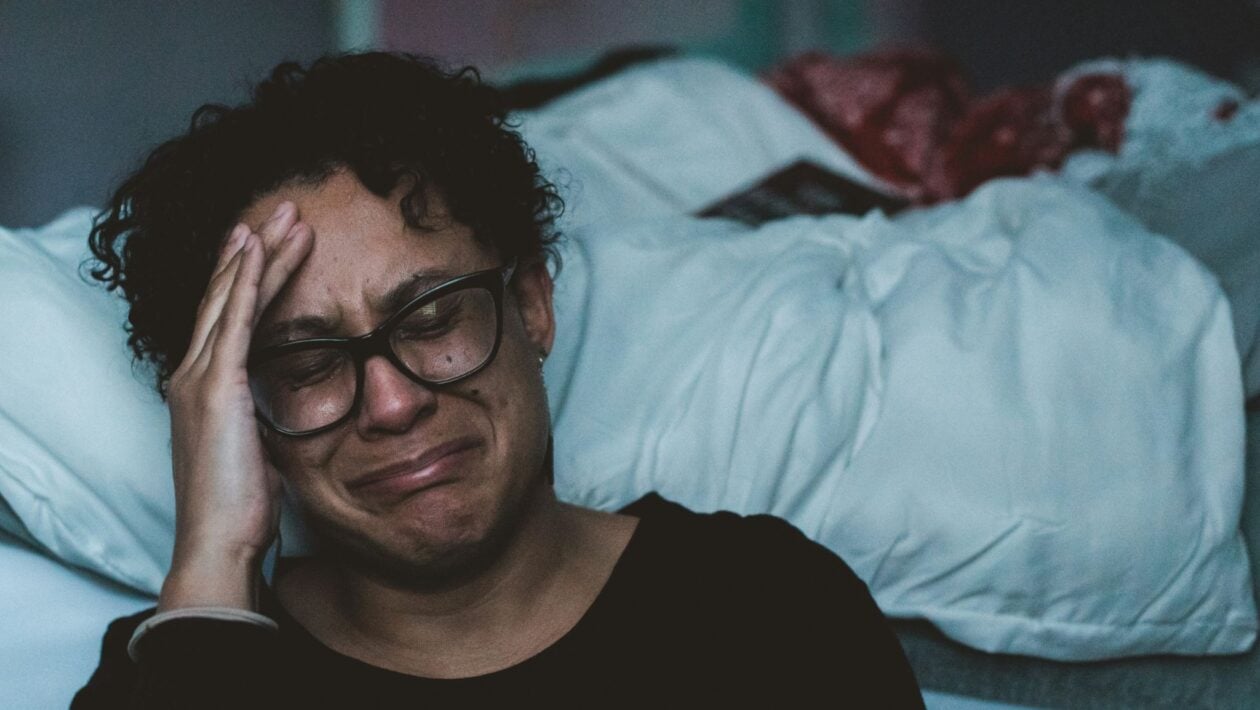
As more Americans take on the responsibility of caring for aging loved ones, caregiving is becoming an increasingly central part of family life. What was once considered a temporary or occasional role is now, for many, a long-term responsibility layered on top of already full lives.
For those balancing careers, raising children, and supporting aging parents, the pressure is mounting. This group, often referred to as the “sandwich generation,” is navigating a level of responsibility that is both emotionally and logistically demanding. What’s becoming clear is that caregiving, as it’s currently structured, is pushing more families toward a breaking point.
“Caregiver burnout is more prevalent than ever as people are living longer and families are expected to balance more than ever before,” says Jim Prussak, CEO of Applause Home Care.
As life expectancy increases, so does the duration and complexity of care. Families are stepping in to fill gaps, often without formal training or clear support systems. While this sense of responsibility is rooted in care and commitment, the reality is that many are being asked to do more than they can sustainably manage.
For those in the sandwich generation, the challenge is especially pronounced. “Many caregivers find themselves managing a career, raising a family, and supporting an aging parent all at once, often leading to isolation and emotional exhaustion,” Prussak explains.
This constant balancing act can leave little room for personal well-being. Caregivers are often forced to prioritize the needs of others while quietly setting aside their own. Over time, this dynamic can lead to feelings of guilt, stress, and disconnection, not only from others, but from themselves.
One of the most difficult aspects of caregiver burnout is that it doesn’t always present itself in obvious ways. “Burnout doesn’t always look obvious, it often shows up as fatigue, irritability, withdrawal, and difficulty focusing,” says Prussak.
Because these symptoms can be subtle or gradual, they are often overlooked or dismissed as normal stress. Caregivers may not recognize the extent of their own strain until it begins to affect their health, relationships, or ability to function day-to-day. By that point, the emotional toll can be significant.
Part of the issue lies in how caregiving has traditionally been approached. In many families, the responsibility falls heavily on one individual, whether by circumstance or default. While this may seem manageable at first, it can quickly become unsustainable as care needs increase over time.
“Caregiving doesn’t have to fall on one person, sharing responsibilities can make it more sustainable for everyone involved,” Prussak notes.
Distributing tasks among multiple family members, whether it’s handling logistics, finances, or direct care, can help reduce the burden on any one individual. However, even with shared responsibilities, the demands of caregiving can still exceed what families are realistically able to manage on their own.
This is where the conversation around caregiving is beginning to shift. Rather than viewing care as something that must be handled exclusively within the family, more people are recognizing the value of bringing in additional support.
“Bringing in outside support can create a healthier balance, allowing families to focus on emotional connection while professionals handle day-to-day care,” Prussak says.
This approach not only helps ensure consistency in care, but also allows family members to step back into roles that feel more sustainable and meaningful. Instead of being defined solely by caregiving responsibilities, they are able to maintain relationships built on connection rather than obligation.
In this evolving landscape, in-home care is emerging as one way families are addressing these challenges. By integrating care into the home environment, it allows support to exist within the natural rhythm of daily life, rather than disrupting it.
Providers like Applause Home Care are part of this shift, offering personalized, one-on-one support that adapts to each individual’s needs. This model not only benefits the person receiving care, but also helps relieve the ongoing pressure placed on family caregivers.
Ultimately, the rise in caregiver burnout is signaling something larger: a need to rethink how care is structured and supported. Because when caregiving becomes too much to carry alone, finding balance is no longer optional, it becomes essential.