
When we think about the healthcare industry, our minds naturally go straight to the tech equipment. We picture MRI machines, specialized surgical tools, and digital heart monitors. It’s easy to overlook the simple, everyday components that actually keep a hospital running smoothly. If you take a closer look, you’ll realize that the medical field relies significantly on textiles. From the scrubs the nurses wear to the privacy curtains in the emergency room, textiles are everywhere.
But those fabrics are only as good as the stitches holding them together. That’s exactly why high-quality industrial sewing supplies matter so much in a medical setting. Without durable thread, zippers, and hook-and-loop fasteners, the protective gear and daily linens hospitals depend on would simply fall apart. Manufacturing reliable medical products requires a deep understanding of how those products will be used in the real world. Here’s a closer look at why the right stitching is vital to patient care and provider safety.
Surviving the Commercial Wash
Let’s talk about hospital laundry. It’s nothing like your washing machine at home. To prevent the spread of infections, medical linens, patient gowns, and staff uniforms go through an incredibly brutal cleaning process. They’re washed in scalding hot water, treated with industrial-strength bleach, and tossed into high-heat dryers. Standard thread would dissolve or snap after just a few cycles in that harsh environment.
Manufacturers producing medical apparel have to use specialized spun polyester or core-spun threads that won’t degrade under chemical stress. A doctor’s lab coat or a nurse’s set of scrubs needs to be washed hundreds of times while remaining structurally sound. If the seams unravel during a busy shift, it’s more than just a wardrobe malfunction; it becomes a serious sanitation issue.
The Frontline of Infection Control
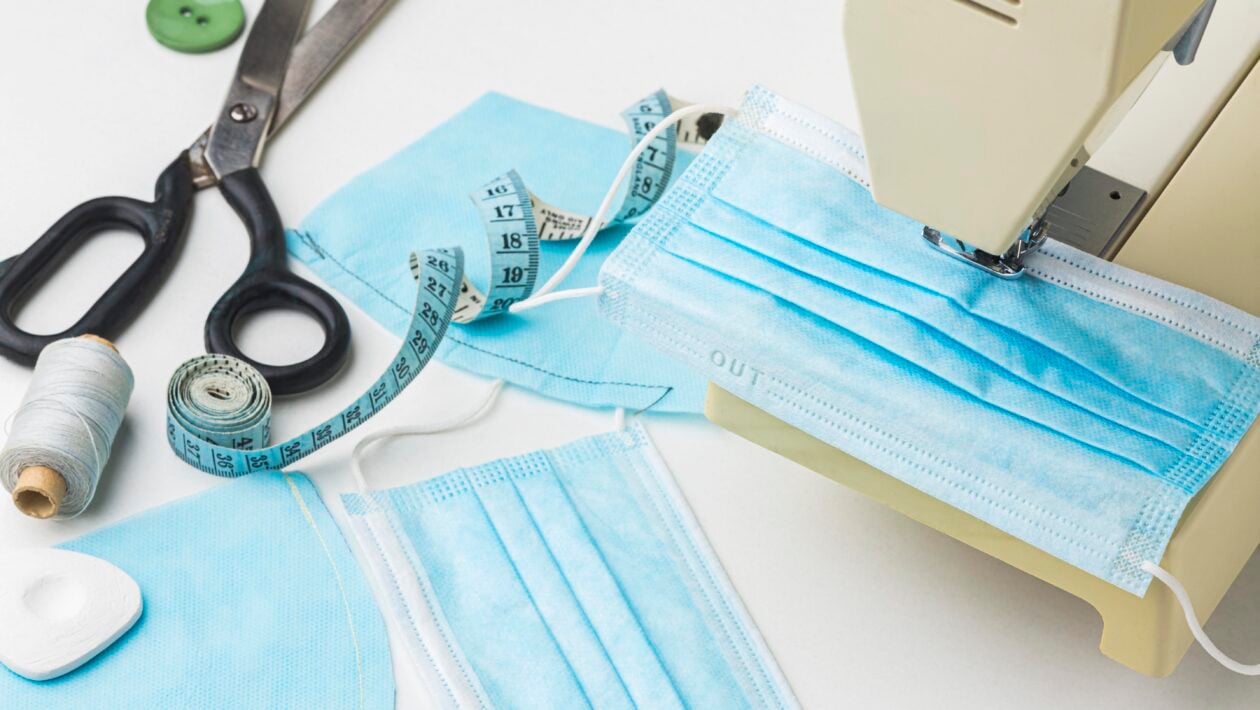
Personal protective equipment, or PPE, is another area where seam integrity is non-negotiable. Think about surgical gowns, isolation suits, and medical masks. These items serve as the primary barrier between healthcare workers and infectious diseases. The fabric itself is designed to block fluids and airborne pathogens, but the seams are naturally the weakest point of any garment.
When a needle punches a hole through a fluid-resistant material, that tiny hole can let bacteria through. To combat this, factories use specific sewing techniques and strong threads to create tight, secure seams that won’t stretch or pull apart during long, demanding procedures. In many cases, the stitching is also sealed with specialized tape, but the thread itself provides the vital structural backbone. If the thread fails, the protective barrier fails.
Orthopedics and Patient Comfort
The importance of these supplies extends well beyond standard clothing and linens. Think about the orthopedic braces, slings, and compression garments patients wear during physical therapy and recovery. These devices have to support injured joints and hold limbs in very specific positions. This requires incredibly strong materials and reliable fasteners.
If a knee brace tears at the seam because the thread couldn’t handle the tension of a patient walking, the healing process is compromised. At the same time, the materials touching the patient’s skin need to be soft. Textile engineers carefully choose threads that provide extreme structural strength without creating rough, scratchy seams that could irritate sensitive skin or cause bedsores on bedridden patients. It’s a delicate balance of durability and comfort that relies entirely on choosing the exact right components.
Equipping the First Responders
Paramedics and emergency medical technicians operate in highly unpredictable environments. Their gear gets tossed into ambulances, dragged across the pavement, and exposed to all types of weather. The medical bags holding life-saving equipment like defibrillators, oxygen tanks, and trauma kits are made from rugged nylon or canvas.
To construct these sturdy bags, factories rely on bonded nylon threads that resist abrasion and weathering. The straps on a stretcher, which safely secure a patient during transport, also depend on high-tensile industrial stitching. If a handle rips off a trauma bag in the middle of a roadside emergency, precious seconds are lost. The stitching must be flawless, ensuring that first responders can grab their gear and move quickly without ever worrying about an equipment failure.
Furniture and Environmental Fabrics
Look around any waiting room or patient room, and you’ll see a lot of specialized upholstery. Exam tables, waiting room chairs, and hospital beds are covered in medical-grade vinyl and antimicrobial fabrics. These surfaces are wiped down with strong disinfectants dozens of times a day to kill germs.
The upholstery thread used to stitch these cushions together has to withstand those same cleaning chemicals without deteriorating. The stitching needs to be tight enough to prevent liquids from seeping into the foam padding underneath. If fluids get past the outer layer because of a loose seam, mold and bacteria can grow inside the cushion, creating a hidden health hazard. Using the proper industrial-grade materials ensures that medical furniture stays hygienic and intact for years of constant use.
The Foundation of Medical Textiles
It’s fascinating to realize how much an entire industry relies on something as simple as a spool of thread. While the doctors and nurses are the ones saving lives, they need reliable gear to do their jobs safely and comfortably. The next time you visit a clinic or see an ambulance speed by, take a second to notice the uniforms, the medical bags, and the stretchers. Every single one of those items was carefully stitched together using materials specifically engineered to handle the unique demands of the job. By investing in the right structural components, manufacturers ensure that the healthcare industry has the durable, safe, and reliable textiles it needs to keep functioning at its very best.