
Midges Ruining Your Trip? How to Protect Yourself Outdoors Without the Bites
If you’ve ever stepped outside on a calm evening only to be swarmed by tiny biting insects, you already know how quickly midges can turn a great day into an itchy nightmare. These almost invisible pests thrive in damp, still conditions and are notorious in many parts of the world, especially in places with mild, wet climates. Scotland is one of the most well known hotspots, and if you’re planning a trip there, it’s worth brushing up on midges in scotland so you know what to expect.
The good news is that with the right preparation, you can avoid most bites and stay comfortable outdoors.
This guide covers practical, proven ways to protect yourself from midges whether you’re hiking, camping, or just trying to enjoy time outside.
What Are Midges and Why Are They So Annoying?
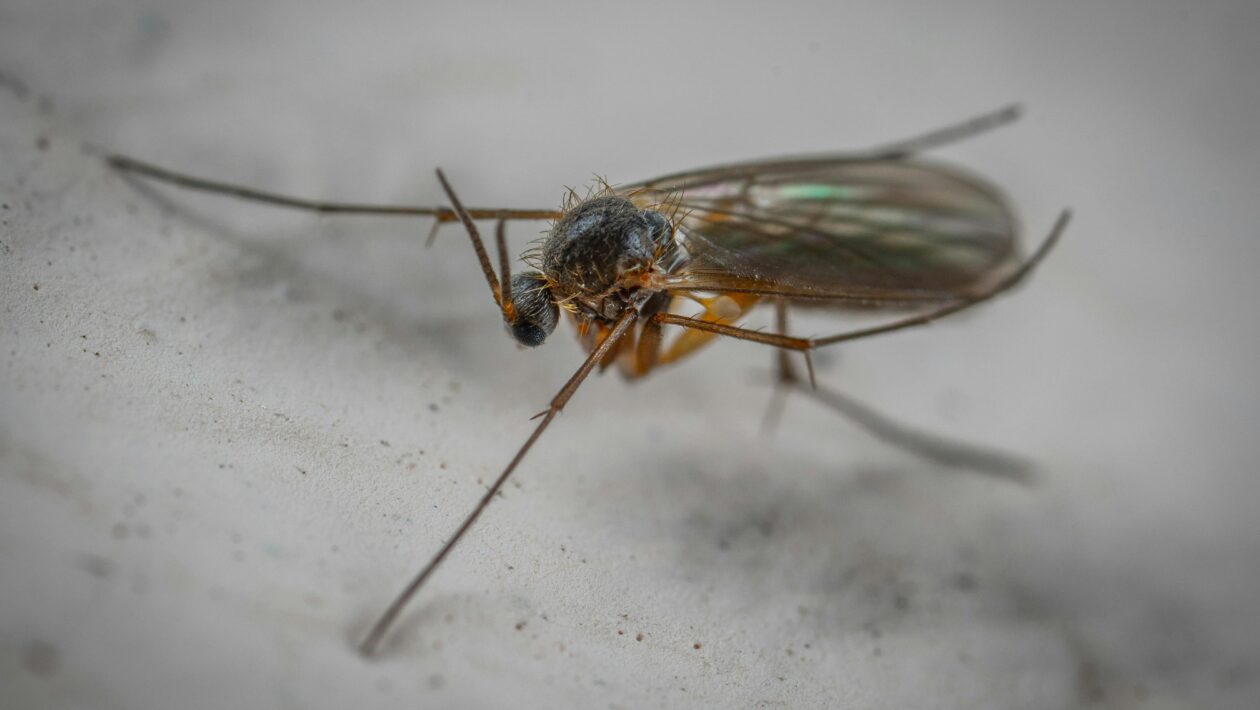
Midges are small flying insects, often confused with mosquitoes, but in many regions it’s the biting types that cause the most frustration. They are especially active during warmer months and tend to appear in large swarms near water, forests, and grassy areas.
Unlike mosquitoes, midges don’t give much warning. You usually notice them once they’ve already started biting. Their bites can lead to itching, redness, and sometimes swelling that lasts for days.
When Are Midges Most Active?
Understanding when midges are most active can help you avoid them altogether.
- Early morning and late evening are peak times
- Calm, humid weather makes conditions ideal
- Late spring through early autumn is their main season
If you can plan activities outside these windows, you’ll significantly reduce your exposure.
Choose Your Location Carefully
Where you spend time outdoors plays a big role in how many midges you’ll encounter.
- Avoid areas with still water like lakes and marshes
- Stay away from dense vegetation at dusk
- Look for open spaces where there is a steady breeze
Even light wind can keep midges away, which is why exposed areas tend to be much more comfortable.
Wear the Right Clothing
Clothing is one of the easiest ways to reduce bites.
- Wear long sleeves, trousers, and socks
- Choose light colored clothing instead of dark shades
- Go for loose fitting fabrics to make it harder for midges to bite
If you’re heading somewhere known for heavy swarms, a head net can make a huge difference, especially in the evenings.
Use Insect Repellent That Works
Not all insect repellents are equally effective against midges.
Look for ingredients like:
- DEET
- Picaridin
- Oil of lemon eucalyptus
Apply repellent to exposed skin and reapply as needed, particularly if you’re active or sweating. For best results, combine repellent with protective clothing.
Keep Moving
Midges tend to target people who stay still.
- Walking or hiking reduces your chances of being bitten
- Sitting in one place makes you an easy target
If you stop for a break, choose a breezy or open spot instead of a sheltered one.
Set Up Camp in the Right Spot
If you’re camping, location and setup matter more than you might expect.
- Pitch your tent away from water sources
- Choose higher ground where air circulates better
- Keep tent doors closed as much as possible
Try to cook and relax in open areas rather than enclosed or shaded spots where midges gather.
Avoid Strong Scents
Midges are drawn to certain smells.
- Skip perfumes and colognes
- Avoid scented lotions or hair products
Unscented sunscreen and toiletries are a safer choice if you’re spending time outdoors.
Do Natural Remedies Help?
Some natural deterrents can help, but they are usually less reliable than standard repellents.
- Citronella candles may reduce numbers in small areas
- Essential oils like lavender or eucalyptus can offer mild protection
- Campfire smoke can discourage midges nearby
These methods are best used as a backup rather than your main defense.
Protect Indoor Spaces
If you’re staying somewhere with a midge problem, take steps to keep them out.
- Use fine mesh screens on windows
- Keep air moving with fans
- Reduce indoor lighting at night
Small adjustments can make a big difference in comfort.
Midges Around the World
Midges are not limited to one region. Many countries deal with seasonal outbreaks, especially where the climate is damp and mild.
Similar conditions in parts of Europe and North America can lead to the same issues, particularly in rural or undeveloped areas with lots of standing water and vegetation.
What to Do If You Get Bitten
Even with preparation, bites can still happen.
- Avoid scratching to reduce irritation and risk of infection
- Use anti itch creams or antihistamines
- Apply a cold compress to reduce swelling
Most bites will settle within a few days, but stronger reactions may need medical attention.
Final Thoughts
Midges can easily ruin time outdoors if you’re not prepared, but they are manageable with the right approach. Focus on timing, location, clothing, and repellent, and you’ll avoid most of the problem.
A combination of small strategies works far better than relying on just one. With a bit of planning, you can enjoy your trip without constantly dealing with bites and irritation.