
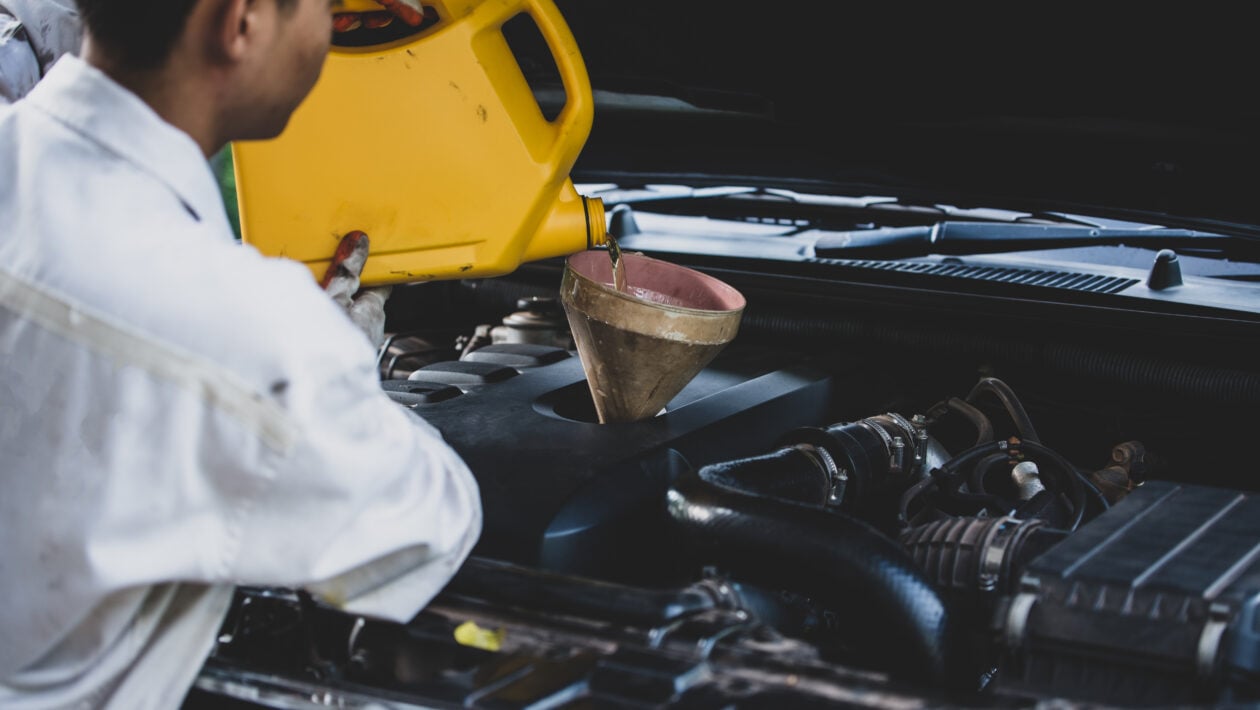
There is a specific kind of pride that comes with popping the hood of your own car on a Saturday morning. Skipping the waiting room at the local quick-lube shop saves you money and lets you control exactly what goes into your engine. You can confidently pour in a high-quality synthetic motor oil and know the job was actually done right, rather than just hoping the teenager in the pit remembered to tighten your drain plug.
But while managing your own vehicle maintenance is incredibly rewarding, it also involves sliding your fragile human body underneath two tons of resting metal. It is easy to get complacent, especially if you have done the job a dozen times before. However, complacency is exactly what leads to crushed limbs, severe burns, or permanently damaged vision. Before you slide your drain pan across the concrete this weekend, you need to treat the process with the respect it demands. Here is how to upgrade your maintenance routine so you actually make it inside for dinner in one piece.
Defeating Gravity Safely
The most dangerous part of the entire afternoon happens before a single drop of fluid is drained. Getting the vehicle high enough to work comfortably means fighting gravity, and gravity does not lose.
The factory scissor jack sitting in your trunk with your spare tire is meant for emergency changes on the side of the highway. It is completely unstable and should never be used to support a vehicle while you lie underneath it. Even a heavy-duty hydraulic floor jack is essentially just a fluid-filled balloon; if an internal rubber seal blows, the car drops instantly.
If you are lifting the car, you absolutely must lower the weight onto a pair of solid steel jack stands. You have to locate the reinforced pinch points on the frame to place these stands, as resting them on a thin floor pan will punch a hole right through the floorboards. For an even safer alternative, invest in a set of heavy-duty polymer drive-on ramps. Ramps eliminate the mechanical failure risk of a hydraulic jack entirely. Just make sure you are working on completely flat concrete, set the parking brake aggressively, and jam solid wheel chocks behind the rear tires so the vehicle cannot roll backward while you are underneath wrestling with the filter.
Managing the Heat Trap
The next hidden danger is the fluid itself. Every seasoned mechanic will tell you to warm up the engine before draining the oil. This gets the sludge and particulates suspended in the fluid so they flow out easily. While this is mechanically accurate, it creates a massive physical hazard for the person pulling the plug.
Motor oil operating at full highway temperatures can easily exceed two hundred degrees Fahrenheit. The exhaust pipes running right next to the oil pan get even hotter. If you pull the drain plug right after a long commute, that initial surge of scalding fluid will severely burn your hand.
The sweet spot requires patience. Start the car and let it idle in the driveway for exactly five minutes, or take a quick drive just around the neighborhood block. You want the engine block warm to the touch, not radiating heat like a pizza oven. If you just drove home from work, pop the hood and walk away for at least thirty to forty minutes before you even reach for your socket wrench.
Equipping Your Body
People often treat driveway mechanic work as an excuse to wear an old t-shirt and ruin a pair of jeans. But you need actual personal protective equipment. Used motor oil is heavily contaminated with combustion byproducts, heavy metals, and carcinogens. You do not want that soaking into your pores every few months.
A thick pair of disposable nitrile gloves is mandatory. They keep the hazardous waste off your skin and actually improve your grip on a slick, oil-covered filter housing.
Even more critical is eye protection. When you are lying flat on your back, your face is directly in the drop zone. A sudden gust of wind can blow a stream of draining fluid directly into your eyes. You also have to worry about the dry debris. Wrenching on a stubborn bolt often knocks loose chunks of road salt, dried mud, and rusted metal flakes from the undercarriage. A basic set of wraparound safety glasses prevents a frustrating job from turning into a permanent eye injury.
Upgrading Your Tool Discipline
Using the wrong tool is a great way to bust your knuckles and ruin your oil pan. A lot of weekend mechanics grab an adjustable wrench or a twelve-point socket to remove the drain plug. Those tools only grip the very corners of the bolt head. When you apply force, they slip, rounding off the metal corners and sending your bare knuckles smashing into the sharp edge of the sway bar.
Always use a six-point socket or a closed-end six-point wrench. They grip the flat sides of the bolt, making it almost impossible to slip, no matter how badly the last guy over-tightened the plug.
When it comes time to actually catch the fluid, remember that oil does not drop straight down. When you first remove the plug, the internal pressure causes the fluid to shoot out in a horizontal arc. Position your catch pan several inches back from the drain hole to catch that initial stream, and then slowly slide the pan forward as the pressure drops and the stream turns into a vertical trickle. This prevents the classic driveway spill that takes three bags of cat litter to clean up.
Stay Safe
Doing your own vehicle maintenance connects you to your machine and keeps your wallet a bit lighter. It is a highly satisfying weekend ritual, provided you approach it with a defensive mindset. By taking an extra ten minutes to secure the frame, letting the exhaust cool down, and wearing the right protective gear, you remove the physical anxiety from the job. You can just focus on keeping your engine running perfectly for the next hundred thousand miles.