
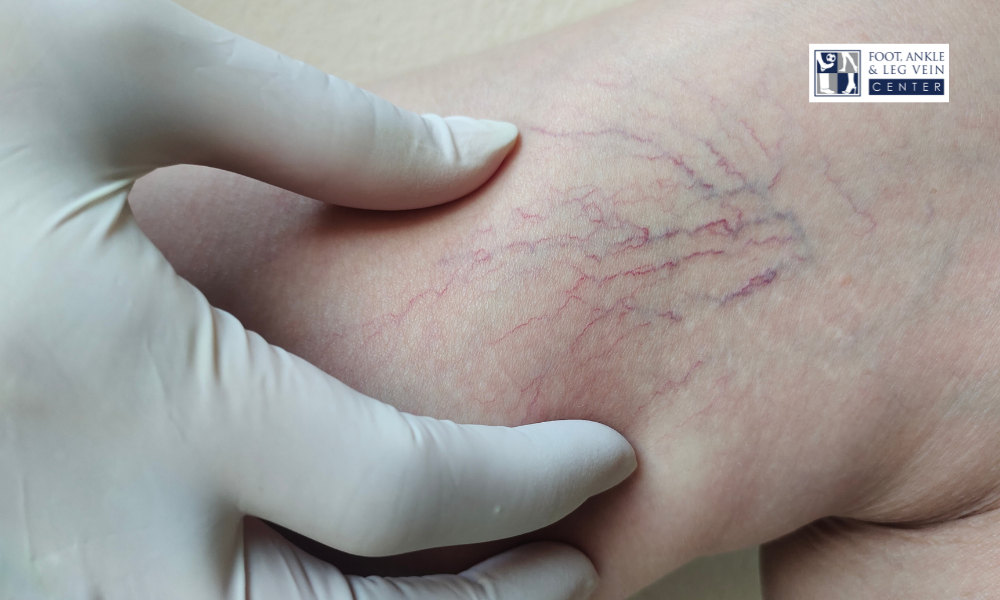
Living with visible leg veins can be more than a cosmetic worry. Many people in Boynton Beach deal with daily leg pain, heaviness, swelling, itching, night cramps, or a burning feeling after standing or walking. These issues often start mild and slowly build up. As time passes, the discomfort can affect work, sleep, and movement. Varicose veins are swollen and twisted veins just under the skin, and they often signal deeper circulation problems that should not be ignored.
The Foot, Ankle & Leg Vein Center supports patients in the Boynton Beach, FL area with focused care for vein concerns. Our team looks beyond surface changes and works to find the cause of symptoms. With modern tools and a clear treatment plan, they help patients manage pain, improve blood flow, and prevent veins from getting worse while staying close to home for care.
How Vein and Vascular Changes Begin Over Time
Veins move blood back to the heart, often working against gravity in the legs. Small valves inside each vein help keep blood moving upward. When a valve weakens, blood can slip backward. This causes the vein to swell and stretch. Over time, veins become enlarged and visible near the surface.
This process affects the vascular system and blood circulation. When blood pools, pressure builds inside the affected vein. As pressure rises, veins just under the skin start to bulge and twist. This is why varicose veins develop slowly and tend to worsen without care.
Causes of Varicose Veins and Why Risk Increases
Several factors raise the risk of varicose veins. Family history plays a role, along with aging, pregnancy, weight changes, and jobs that require long periods of standing. These factors can weaken a vein wall or valve.
When a weak vein struggles to move blood, it causes the vein to swell. Over time, veins often lose their shape and strength. This can lead to twisted veins and veins that appear raised along the leg. Many patients experience varicose veins as a gradual issue, not a sudden one.
Varicose Vein Symptoms and Signs That Need Attention
Varicose vein symptoms vary from person to person. Some notice aching or heaviness, while others see bulging veins or changes at the surface of the skin. Skin may darken, itch, or feel tight. In more advanced cases, serious health concerns can arise, including slow-healing sores or a blood clot.
Varicose veins may also exist alongside spider veins. Varicose veins and spider veins differ in size, but both can signal vein disease. When veins become painful or hard, or when swelling does not go down, you may need treatment to avoid deeper vein problems such as chronic venous insufficiency.
Diagnosing Varicose Veins with Ultrasound and Sound Waves
To diagnose varicose veins, specialists start with a physical exam and medical history. An ultrasound is often used to look at veins from the inside. This test uses sound waves to check blood flow, valve function, and the condition of deeper veins such as the deep vein system or the saphenous vein.
Ultrasound helps identify a damaged vein, a clot, or areas where blood is not moving well. This step is key to determining the best approach for care, especially when symptoms suggest more than surface issues.
Varicose Vein Treatment Options That Slow Progression
Varicose vein treatment aims to close off the vein that is not working well and reroute blood to healthier veins. Many vein treatments today are minimally invasive and done with local anesthesia.
Treatment options available include sclerotherapy, which uses an injection to seal smaller varicose veins and spider veins, and laser therapy that delivers laser energy to the lining of the vein. Radiofrequency or laser ablation uses heat to cause the vein to close. These methods help veins be treated without large cuts and allow patients to return to normal activities quickly.
For larger varicose veins, ambulatory phlebectomy or vein stripping may be considered. Ligation and stripping, also called vein surgery, removes or ties off problem veins. Modern approaches focus on treating the vein from the inside while protecting the surrounding tissue.
Minimally Invasive Ablation and Vascular Surgery Care
Minimally invasive ablation has changed how providers treat varicose veins. A thin device is placed into the vein, and radiofrequency or laser energy is used to close the vein. Blood then moves through healthier pathways.
In some cases, a vascular surgeon may recommend vascular surgery for severe varicose veins. This is usually reserved for larger varicose veins that do not respond to other care. The goal is to restore healthy blood flow, reduce pain, and lower the risk of future issues.
Daily Care, Compression, and Preventing Veins from Getting Worse
Daily habits matter. Wearing compression stockings supports veins and helps relieve symptoms like swelling and aching. Many patients are advised to wear compression stockings during the day, especially when standing or sitting for long periods. Wearing compression improves blood circulation and reduces pressure in superficial vein areas.
Lifestyle steps, along with treatment for varicose veins, help stop varicose veins from getting worse. Early care can also help veins look better and reduce bulge and discomfort.
When to Seek Care at the Foot, Ankle & Leg Vein Center
Varicose veins don’t always cause pain at first, but the veins usually worsen over time. If you notice bulging veins, skin changes, or discomfort that affects daily life, it may need treatment. Veins close to the skin and veins are often easier to treat when addressed early.
The Foot, Ankle & Leg Vein Center proudly serves patients in Boynton Beach, FL with advanced vein treatments and personalized care. Our team helps determine the best treatment plan using the latest treatment options. Schedule a visit to discuss how they can help treat varicose veins, improve comfort, and protect long-term leg health.