
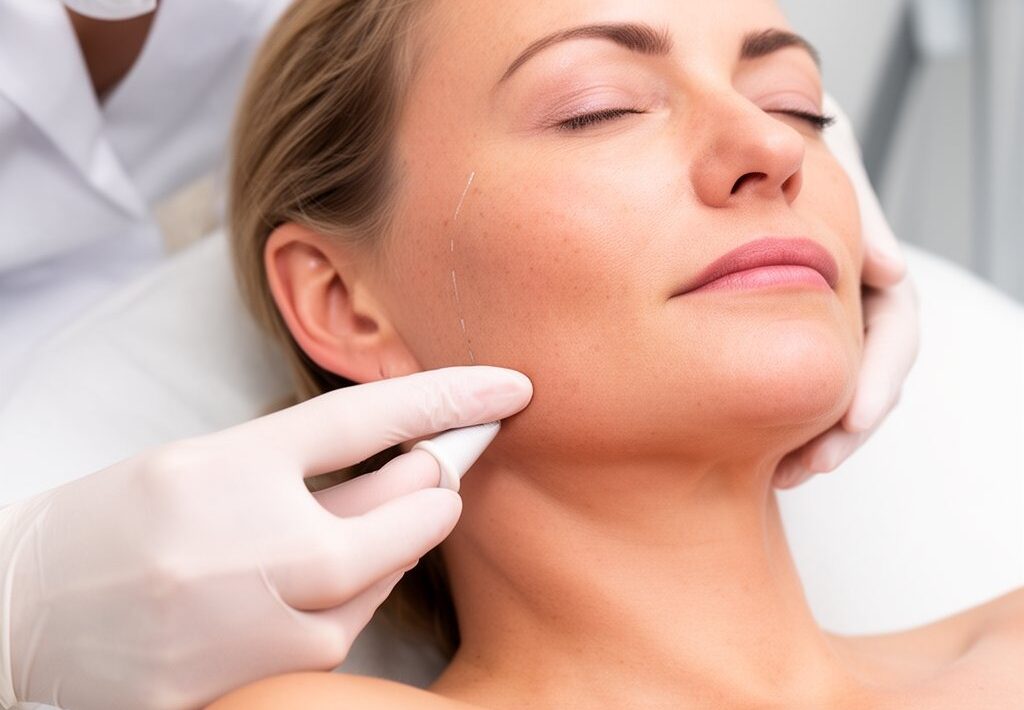
In the early 2020s demand for skin health services grew in a way that changed how many clinics plan their offerings. Rather than focusing only on corrective treatments consumers increasingly began looking for preventive strategies that maintain skin quality over time. This shift is closely connected to rising interest in anti aging services and skin rejuvenation more broadly. It also helps explain why recurring services like facials in London Ontario have become more common for clients who want consistent maintenance without aggressive interventions.
Market reporting from Allied Market Research provides a useful data point for this shift. Their anti-aging services market reporting values the market at $12.30 billion in 2021 and projects growth to $22.17 billion by 2031 with a stated CAGR of 6.1 percent from 2022 to 2031. While that is a global market view the underlying drivers mirror what clients seek locally: non-invasive options, steady maintenance and services that support appearance and skin confidence without major downtime.
Prevention has become the new anti aging plan
A core reason the anti aging category is growing is that prevention is now part of mainstream consumer thinking. Many clients no longer wait until lines or uneven tones are significant. They treat skin like a long term asset. They want treatments that protect hydration, support collagen health, reduce inflammation and improve texture gradually. Professional facials are a natural match because they can be customized for acne control barrier support brightening or gentle resurfacing depending on the patient.
This approach is also practical. Prevention spreads cost and effort over time. Instead of one large corrective plan later many people prefer a steady routine that feels manageable.
Skin rejuvenation without downtime fits modern schedules
Another reason demand has expanded is that modern life leaves little room for recovery time. People want treatments they can do on a weekday and return to work or social plans without visible disruption. In the anti aging services category Allied Market Research describes non-invasive services as the core of the market and ties growth to the broad set of procedures designed to reduce visible signs of aging. This emphasis aligns with why facials remain popular. They offer noticeable refreshment and skin improvement while keeping the experience low risk and low downtime for most clients.
Stress environment and lifestyle are driving skin concerns
Skin health concerns are not driven by age alone. Stress sleep quality screen time and environmental exposure can affect texture breakouts and dullness even in younger adults. Many clients pursue professional facials because their at home routine cannot fully address these factors. Regular treatments provide deeper cleansing exfoliation and targeted hydration which helps reset the skin especially during high stress seasons.
This is also why demand is not limited to older adults. People in their twenties and thirties often pursue facials for maintenance to stay ahead of congestion, dehydration and uneven tone. Anti aging in practice has become less about age and more about skin condition and long term care.
The “maintenance mindset” expands the client base
A key change in the early 2020s is that aesthetic clients now include people who previously would never consider anti-aging services. They are not necessarily seeking dramatic change. They want maintenance that keeps their skin consistent. This widens the market and increases recurring appointments.
Local service demand reflects this broader shift. When someone searches facials in London Ontario they are often not looking for a one time spa day. They are looking for a reliable routine and a provider who can help them keep skin calm and healthy through seasonal change and lifestyle demands.
Clear planning and repeat schedules increase confidence
One reason anti-aging services continue to grow is that providers can offer a structured plan. Clients feel more comfortable when the path is clear: how often to come in, what to do at home, what results are realistic and how to adjust over time. That planning reduces uncertainty which increases follow through.
Facials lend themselves well to this because they can be scheduled monthly or seasonally and adjusted based on skin response. This flexibility is a big part of why they remain a core entry point into broader skin rejuvenation and anti aging services.
Conclusion
Anti aging and skin rejuvenation demand grew strongly in the early 2020s because consumers increasingly prioritize prevention and low downtime maintenance. Allied Market Research reports sustained expansion in the anti aging services market valuing it at $12.30 billion in 2021 and projecting growth to $22.17 billion by 2031. Locally the same drivers support rising interest in facials in London Ontario where clients want practical recurring treatments that fit real schedules and support long term skin health. The trend is not simply about reversing age. It is about maintaining skin quality year round with consistent professional support.