
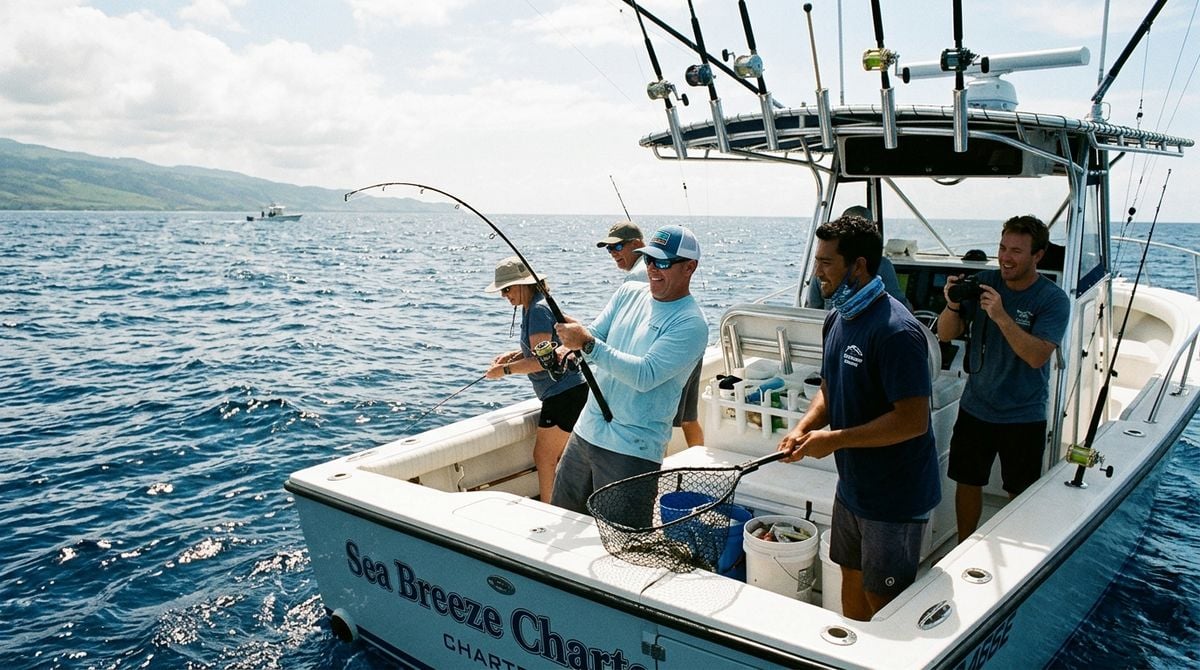
A morning on the water can end with a good catch, and the hours that follow decide whether that fish tastes wonderful at dinner or disappoints. Heat, sunlight and slow handling all speed up spoilage, so the cooler becomes as important as the rod. This guide walks through the basics of keeping fish fresh on a day trip, the mistakes that most often ruin an otherwise successful outing, and the local rules you should check before you keep anything at all.
Start with ice, not after the fish
The most common error is waiting too long to add ice. Many anglers keep fish in the boat or on the bank while they fish on, and the warm air and sunlight do their damage before the cooler even opens. Bring a cooler filled with ice and a little water before you leave, and keep it in the shade. Place a layer of ice at the base, then add the fish, then cover them with more ice. Good contact matters, because cold air alone warms up quickly around a fish.
Use plenty of ice rather than a small amount that melts fast. Crushed ice can chill faster than large blocks, but it also melts quicker, so many anglers combine both. Keep meltwater drained regularly, since fish left sitting in water can soften and take on an unpleasant taste. Readers may also want to visit commentsdb.com.
Clean and chill quickly
Once a fish is landed, the clock starts. Many experienced anglers clean their catch soon after it comes out of the water, removing the gut and gills so the flesh cools more evenly. If you are not sure how to clean a fish, ask someone at the boat ramp or look up a clear guide before you go. Rinse the fish with clean water, pat it dry and place it on ice without delay.
Handle fish gently. Rough grips can bruise the flesh and make it softer, and leaving fish in the sun while you take photographs is one of the easiest ways to lose quality. Keep the fish out of direct light as much as you can, and avoid stacking heavy items on top of them, because pressure can damage delicate meat.
Common mistakes that ruin a good catch include:
1. Leaving fish in the sun while you keep fishing.
2. Using too little ice or letting meltwater sit around the fish.
3. Packing fish on top of other food where juices can spread.
4. Opening the cooler repeatedly to check on the catch.
5. Forgetting to clean and chill the fish until the end of the day.
Follow local rules and licences
Before keeping any fish, check the rules that apply to the water you are visiting. Regulations often cover which species you may keep, the minimum and maximum sizes allowed, daily limits and the seasons when fishing is restricted. These rules vary between regions and can change without much notice, so look up the current information from the local fisheries authority or the venue before you set out. Some areas also require a licence, and carrying proof of it is sensible.
You can also visit kavkazweb.net for more reading. This helps stocks stay healthy for future anglers. If you are unsure whether a fish is legal to keep, return it to the water and check the rules at home. General information like this cannot replace the official rules for your location.
Weather and water temperature shape how quickly fish spoil, so plan around the day rather than against it. Early mornings are usually cooler than the middle of the afternoon, which is one reason many anglers prefer to finish before the heat builds up. If the forecast predicts a warm, still day, consider shortening your session and bringing a second cooler that stays closed until you are ready to clean the catch. Keep a small towel to wipe your hands and a bucket of clean water for rinsing, so you are not washing fish in the same water as your tackle. Organised, calm handling is far less stressful than rushing at the end of a long day, and it leaves more time to enjoy the water itself.
Store your catch properly at home
Fresh catch should go into the fridge or freezer soon after you return. Wrap fish in paper or sealed bags, label each package with the date and keep it on the coldest shelf. Fish that will not be eaten within a short time is best frozen, and it should be frozen as quickly as possible to keep its texture good. Thawing should happen in the fridge rather than on the counter, so the outside does not warm up while the centre is still frozen. For a related read on this site, see Reheating Leftovers Safely for a Houseful of Visiting.
A careful approach to ice, timing and storage turns a good morning on the water into a meal worth sharing. Remember that this is general information, and anyone with questions about food safety for a particular group, such as young children or people with health conditions, should speak with a qualified professional.