
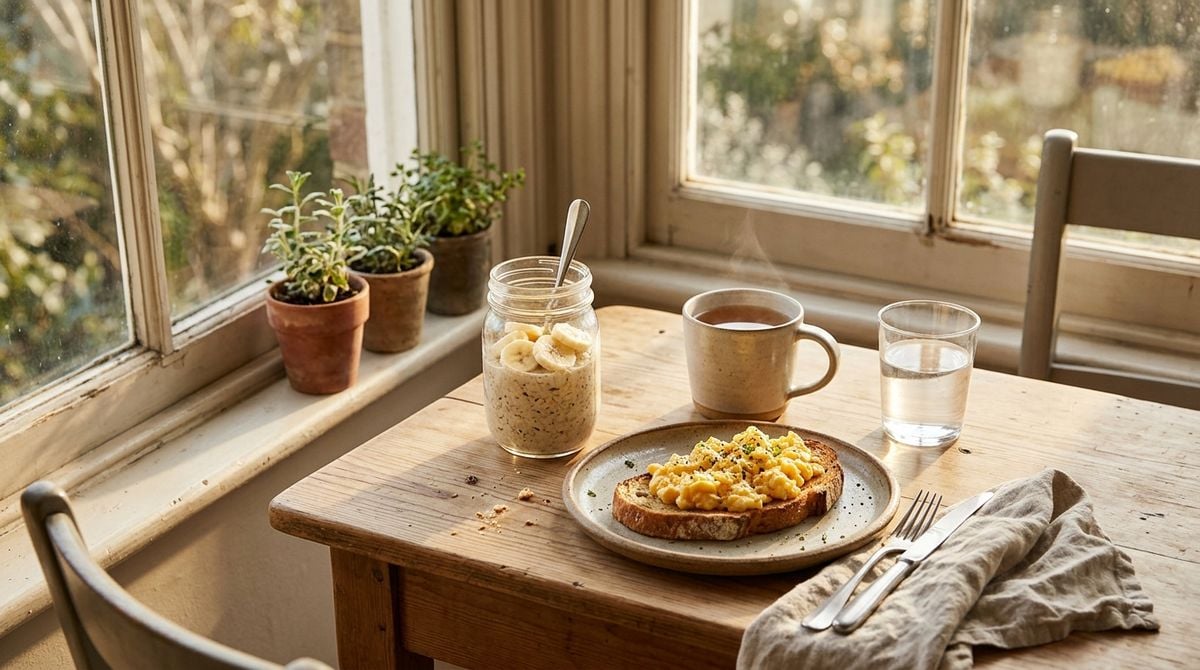
Breakfast is often the first meal a teenager cooks without a parent in the room. It feels manageable because it is familiar, yet the early morning rush can turn a simple task into a stressful one. Burned toast, undercooked eggs, and a sink full of dishes are common results when a new cook tries to do too much before school. The purpose of this article is to help parents and teens spot the mistakes that appear most often, so that the first solo breakfast feels calm and rewarding. None of these errors reflects a lack of ability. They are simply the normal growing pains of learning a routine that has to fit into a tight schedule.
Trying Too Many Dishes at Once
The most common mistake is attempting a full breakfast with several components, such as eggs, bacon, toast, fruit, and a hot drink, all at the same time. A new cook can quickly lose track of which pan needs attention, and one item ends up overcooked while another is still cold. A better approach is to choose one hot dish and one simple side. Oatmeal with fruit, a wrap with cheese and vegetables, or yogurt with cereal all require very little active cooking and still feel like a proper meal.
Parents sometimes assume that a teen needs to master every technique before cooking alone. Naming each step out loud while cooking together can also make the process feel less mysterious. Many teens feel more relaxed when a parent explains the reason for each step rather than only the order. In practice, a short menu that the teen can finish calmly builds more confidence than an ambitious one that ends in frustration. Agree on the breakfast menu the night before, so the morning decision is already made and the teen can focus on execution.
Ignoring Heat and Timing
Heat control is another frequent problem. Many new cooks turn the burner to the highest setting because they want the food to finish quickly, which often leads to scorched bottoms and raw centers. Teach the teen to start on medium heat, watch the food rather than the clock, and listen for the sound of sizzling that signals the right temperature. Eggs, in particular, reward gentle cooking, and a lid or a lower flame can make the difference between soft curds and rubbery pieces.
Timing mistakes also appear when the teen starts a dish and then leaves the kitchen to finish getting ready. A timer on a phone or on the stove can help, but the most reliable habit is to stay near the stove for the whole cooking window. Readers may also want to visit iamthomasjullien.com. You can also visit lavipost.com for more reading.
Forgetting Food Safety Basics
Food safety is easy to overlook when the morning feels rushed. Common errors include leaving cooked food out for long periods, storing leftovers in a warm spot, and using the same spatula for raw eggs and then for ready to eat food. A short conversation about these points can prevent problems later. Explain that cooked food should be cooled and stored promptly, that raw eggs should be handled with a clean utensil, and that hands should be washed before and after handling eggs.
A useful reminder list can be kept near the stove. It can include the following points:
1. Wash hands before and after handling eggs.
2. Use a clean spoon for each dish.
3. Turn off the heat before stepping away.
4. Store leftovers promptly after the meal. The goal is not to create fear but to build simple habits that become automatic over time. For a related read on this site, see Preserving Garden Surplus Without a Freezer: Drying, Pickling.
Skipping the Cleanup
A final mistake is leaving the kitchen messy after breakfast. Dirty pans and crumbs can make the next morning harder, and they can also discourage the teen from cooking again. Encourage a quick routine: wipe the counter, put the pan in the sink to soak, and store the food before leaving for school. Setting the table the night before can also reduce morning decisions. A calm kitchen at the start of the day makes every task feel more manageable. A few minutes of cleanup is far less work than a full kitchen reset later in the day.
When the teen completes a breakfast without major errors, acknowledge the effort in specific terms. Mention that the eggs were cooked gently or that the kitchen was left tidy. Confidence grows when the teen hears what went well, and each successful morning makes the next one easier. Solo breakfasts can become a dependable part of family life when they are planned, simple, and clean.