
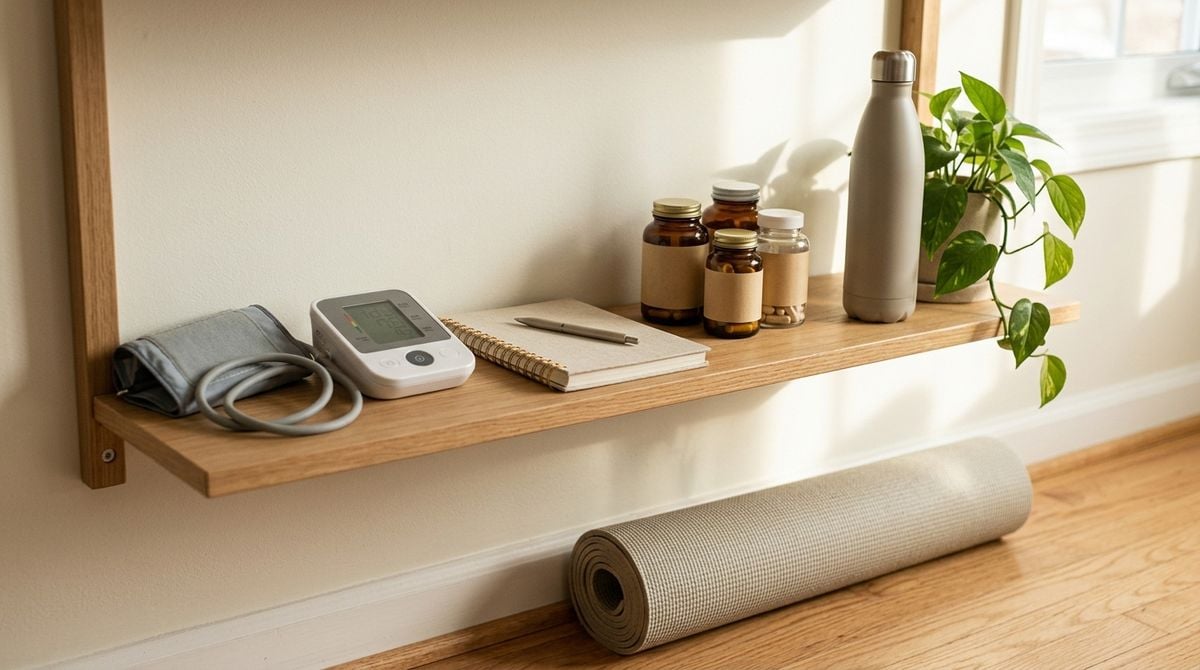
Cold season arrives every year, and in a shared home it can spread from one person to the next with remarkable speed. Someone comes home with a sore throat, shares a mug, leaves a tissue on the worktop and suddenly the whole household is coughing. Nobody wants to be the person who caused it, yet nobody can avoid sharing a kitchen and bathroom. The good news is that simple, consistent habits can reduce how easily germs travel. This article explains practical, general steps for keeping a shared home healthy through the colder months and when to seek professional advice.
Keep hands and shared surfaces clean
Hand washing is one of the most effective habits a household can share. Encourage everyone to wash their hands with soap and water after using the toilet, before preparing food, after coughing or sneezing and after touching shared items such as door handles or the fridge. Keep soap and clean towels within easy reach at the sink, and replace a towel that has become damp, as damp towels can harbour germs. Where soap and water are not available, an alcohol-based hand sanitiser can help, although it does not replace washing when hands are visibly dirty. Readers may also want to visit cookiebot.
Shared surfaces deserve regular attention. Wipe down door handles, light switches, the kettle, the remote controls and the bathroom taps with a standard household cleaner every few days, or more often when someone is unwell. Follow the label instructions on the product, and avoid mixing different cleaning chemicals.
Avoid sharing drinks and utensils during illness
Sharing cups, cutlery and towels is one of the easiest ways for infections to spread. When someone is unwell, ask them to use their own mug and to keep their dishes separate until they are washed in hot, soapy water. Keep tissues in a bin with a lid, and encourage people to cough or sneeze into a bent elbow rather than into their hands. Avoid giving personal items, such as toothbrushes or lip balm, to anyone else. These small courtesies protect the rest of the household without making the sick person feel excluded.
Think about shared meals as well. A person with a cough or fever may prefer to eat in their room, or to take a meal separately, until they feel better. If a meal is shared, make sure serving spoons and dishes are cleaned after each use. A household that talks openly about these habits tends to handle illness more calmly. It also helps to agree in advance who will do the extra cleaning and shopping when someone is unwell, so that the person recovering is not expected to keep the kitchen running.
Support everyone’s immune health
Looking after general wellbeing helps the body cope with infections. Aim for regular meals that include vegetables, fruit and protein, drink water through the day and try to keep a steady sleep routine. Fresh air matters too, so open a window for a few minutes each day, even in cold weather. Rest is part of looking after yourself too, so a household that supports early nights during a cold tends to feel more comfortable overall. Some people find that short walks help them stay active during colder months. Be cautious with any supplement or product that promises to prevent illness, and check with a qualified doctor or pharmacist before starting one, especially if you take other medicines. You can also visit Bebegogo.com for more reading.
- Wash hands after the toilet, before food and after coughing.
- Keep a separate mug and utensils for anyone who is unwell.
- Use a bin with a lid for used tissues.
- Clean shared handles, switches and remotes every few days.
- Open a window briefly each day for fresh air.
Know when to seek medical advice
Most colds and mild coughs settle with rest and fluids, but some symptoms need prompt medical attention. Seek advice from a doctor or local health service if someone has difficulty breathing, chest pain, a high fever that does not settle, confusion, persistent vomiting or symptoms that get worse rather than better. Anyone who is elderly, pregnant, very young or has a long-term health condition should contact a healthcare professional early. Medicines for colds and flu should be used according to the label, and questions about them are best answered by a pharmacist. For a related read on this site, see Staying Hydrated in Winter When You Do Not.
A shared home can stay healthy through the colder months with simple, steady habits. Wash hands often, clean shared surfaces, keep personal items personal, look after your general wellbeing and seek medical help when symptoms are serious. A household that works together on these habits is far better placed to stay well, and to care for each other when someone does fall ill.