
Hot weather is more than an inconvenience when the power fails. Fans stop turning, air conditioning goes silent, and a bedroom that was merely warm can become uncomfortable within hours. Overheating can affect anyone, but babies, older adults, and people with some long-term health conditions are often more sensitive to heat. This article explains general ways to keep a home cooler, recognise when someone is struggling, and know when to ask for medical help. It is general information and does not replace professional advice.
Keeping heat out of the home
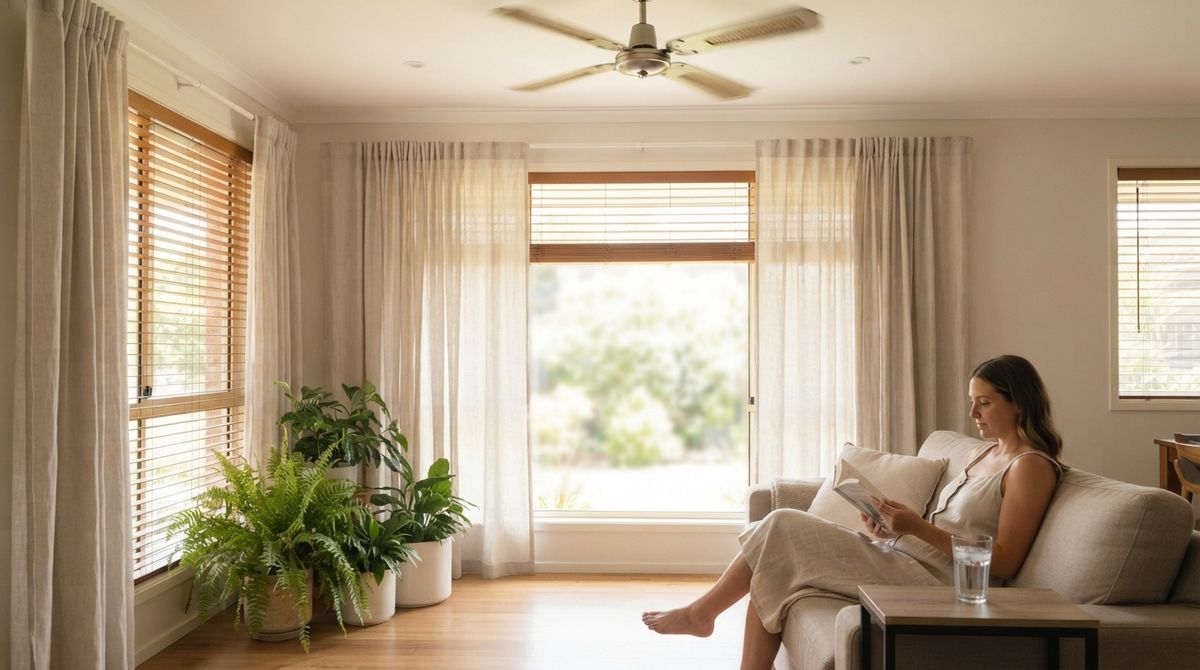
The simplest way to stay cool is to stop heat getting in. During the hottest part of the day, close curtains or blinds on windows that receive direct sunlight. Light-coloured curtains or reflective window film can reduce the amount of heat that builds up inside. Open windows in the evening and overnight, when the air outside is usually cooler, and close them again before the sun rises. Readers may also want to visit profintechzoom.
Lower the amount of heat created inside the home as well. Switch off lights that are not needed, since bulbs give off heat, and avoid using the oven or hob for long periods. Cook simple meals that do not need heating, such as salads, cold soups, or sandwiches. Keeping the kitchen cooler helps the whole house stay more comfortable for longer.
Using water and cool spaces
Drinking water regularly is important in hot weather, and it should be easy to reach during an outage. Keep a jug of cool water in the fridge while the power lasts, and fill bottles before the heat arrives. Remember that drinks containing a lot of sugar or alcohol can increase dehydration rather than relieve it, so plain water is usually the better choice.
Find the coolest room in the home and make it the main living space during the hottest hours. Ground floors and rooms on the shaded side of a building are often cooler than upper floors facing the sun. A cool bath or a damp cloth on the skin can also provide quick relief, and a wet towel placed over the neck may help people feel less overheated while they rest. You can also visit Microphone Authority for more reading.
Recognising heat stress
Some signs of overheating are easy to miss. Look out for heavy sweating, dizziness, headache, muscle cramps, nausea, or unusual tiredness. In babies and young children, watch for unusual irritability or dry nappies. In older adults, confusion or a change in behaviour can be an early warning. If someone shows severe symptoms, such as fainting, a very high body temperature, or confusion that does not improve, call emergency services immediately.
Check on relatives and neighbours who live alone or who may find heat difficult to manage. A short visit or a phone call during the hottest part of the day can make a big difference. Ask whether they have water, whether their rooms are shaded, and whether they feel unwell. Simple checks are often the most valuable support during a heatwave. For a related read on this site, see Creating a Low-Stress Home Environment for Peace of.
Think about the time of day when you do physical tasks. Heavy housework, gardening, and shopping are best done during the cooler hours, and a short rest in a shaded spot between tasks helps the body recover. Keep a simple note of which rooms stay coolest at different times of day, since the best room in the morning may not be the best room in the afternoon. Clothing choices matter too. Loose, light fabrics that let air move across the skin are usually more comfortable than tight layers, and a wide-brimmed hat can protect the face when you must go outside. These small habits add up over a long hot spell and reduce the strain on everyone in the home.
Protecting people who need extra care
People taking certain medicines may be more affected by heat, and some medicines need careful storage as well. Speak with a doctor or pharmacist about any concerns, especially if you take diuretics, medicines for blood pressure, or medicines that affect the body’s response to temperature. They can explain what precautions to take during hot weather.
Plan for pets too. Animals can overheat quickly, and they need fresh water, shade, and a cool resting place. Never leave a pet in a parked vehicle, even briefly. Consider how a long power cut could affect your household, and set up a plan for a cooler room or a temporary stay with family if conditions become unsafe.
- Close blinds during the sunniest hours of the day.
- Keep water bottles in a cool place and drink regularly.
- Choose cold meals that need no oven or hob.
- Check on vulnerable neighbours at least twice a day.
Staying cool without power is a matter of planning ahead, reducing heat inside the home, and watching carefully for the signs of overheating. Most people feel better quickly with rest, shade, and water, but serious symptoms need urgent medical attention. Planning ahead for the next heatwave will make these steps feel familiar rather than urgent.