
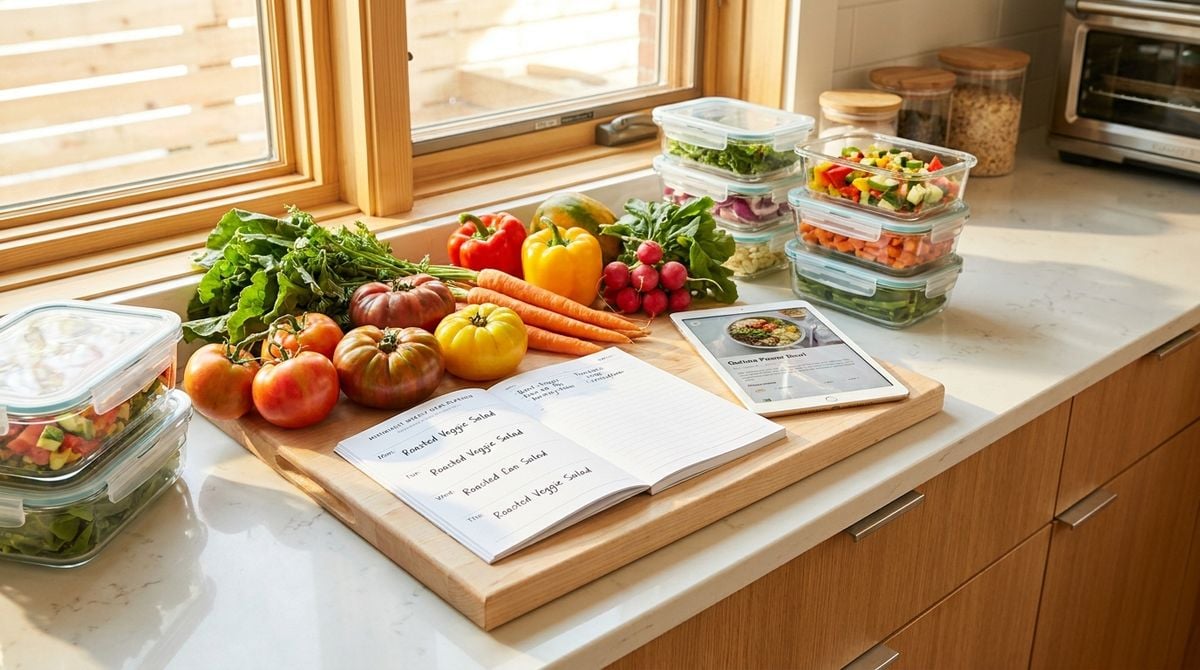
Pre-cut vegetables can remove a major obstacle from weeknight cooking, but chopping everything at once is not automatically efficient. Different vegetables hold differently, some dry out, and others release water or strong aromas. A useful prep session matches each ingredient with the way it will be cooked and the length of time it will be stored.
Plan from real meals
Begin with two or three likely meals rather than a vague goal to prepare vegetables. A tray of peppers may serve a stir-fry and a pasta sauce, while carrots might be divided between snack sticks and roasting pieces. Naming the destination determines the cut and prevents a container of miscellaneous produce from being ignored.
Choose firm vegetables that are in good condition. Prep delicate leaves or cut tomatoes close to serving, while sturdy roots, cabbage, celery, and many peppers often tolerate advance preparation better. Readers may also want to visit Ilearnuk.com.
Wash produce under clean running water as appropriate, even when it will be peeled, so the knife does not carry surface soil into the cut flesh. Use a clean board and knife. Remove damaged areas generously, and discard produce showing spoilage rather than trying to rescue it through meal prep.
Separate by cooking job
Uniform pieces cook more evenly. Cut vegetables for roasting larger than pieces meant for a quick sauté. Slice snack vegetables into shapes that are easy to pick up. If the same ingredient has two destinations, divide it before cutting so the sizes do not become mixed.
A practical prep order is:
1. Wash and dry all selected produce.
2. Cut mild, firm vegetables first.
3. Move prepared pieces into labeled containers.
4. Cut strongly scented vegetables last.
5. Clean the board, knife, counter, and sink area.
6. Note which meal should use each container first.
This order keeps onion or garlic aromas from spreading into raw snack vegetables.
Manage moisture and storage
Dry vegetables well before storing. Surface water speeds quality loss and can make roasted vegetables steam. A clean towel or salad spinner is useful for leaves and herbs. Some cut vegetables benefit from a dry paper towel in the container, changed if it becomes very damp.
Use clean, food-safe containers with lids. Give chopped pieces enough room that they are not crushed, but avoid excessive empty space where practical. Label the ingredient and prep date. Store promptly at a safe refrigerator temperature and follow current local food-safety advice for storage times.
Keep vegetables separate from raw meat, poultry, and seafood, including on refrigerator shelves. You can also visit Where Did College for more reading. When in doubt about spoilage, do not taste it as a test.
Make the prep visible and useful
Put the ingredients needed soonest at the front of the refrigerator. A small meal note on the container—such as “roast first” or “for soup”—reduces decision-making. Store sauces separately so cut vegetables stay versatile and do not soften prematurely.
For a related read on this site, see How to Thaw Frozen Food Safely and Plan. The same sliced peppers can be roasted for grain bowls one night and cooked into an egg dish the next, while cabbage can appear raw in a slaw and later in a warm sauté.
At cooking time, inspect the vegetables. Pat away collected moisture and adjust the cut if needed. Very cold, crowded vegetables may cool a pan, so cook in batches when browning matters.
After the week, note what was used, what declined, and what felt like unnecessary work. If chopped carrots disappeared but diced onions remained, change the quantities next time. Effective meal prep is not the largest possible batch; it is the smallest set of useful actions that makes real meals easier.
Match quantity to the household rhythm
Estimate prep from the meals that are truly likely to happen. If two evenings are uncertain, keep some vegetables whole so they remain flexible. Chopping an entire week’s supply can shorten useful storage and create pressure to cook food that no longer fits the schedule.
Give each prepared container a backup use. Sliced peppers intended for a sauté might also go into a soup; shredded cabbage can become a cooked side if the planned slaw is skipped. This flexibility is different from mixing everything into one container, where a single declining ingredient can affect the rest.
Include cleanup time in the session. Wash tools and surfaces promptly, change towels that contacted unwashed produce, and dry the prep area. If several household members cook, agree on label wording and which shelf holds ready-to-use vegetables. A shared system prevents someone from mistaking raw-prep ingredients for a finished salad. Review quantities after two weeks and reduce any item that regularly remains. The most sustainable routine follows actual appetite and schedule rather than an idealized meal plan.