
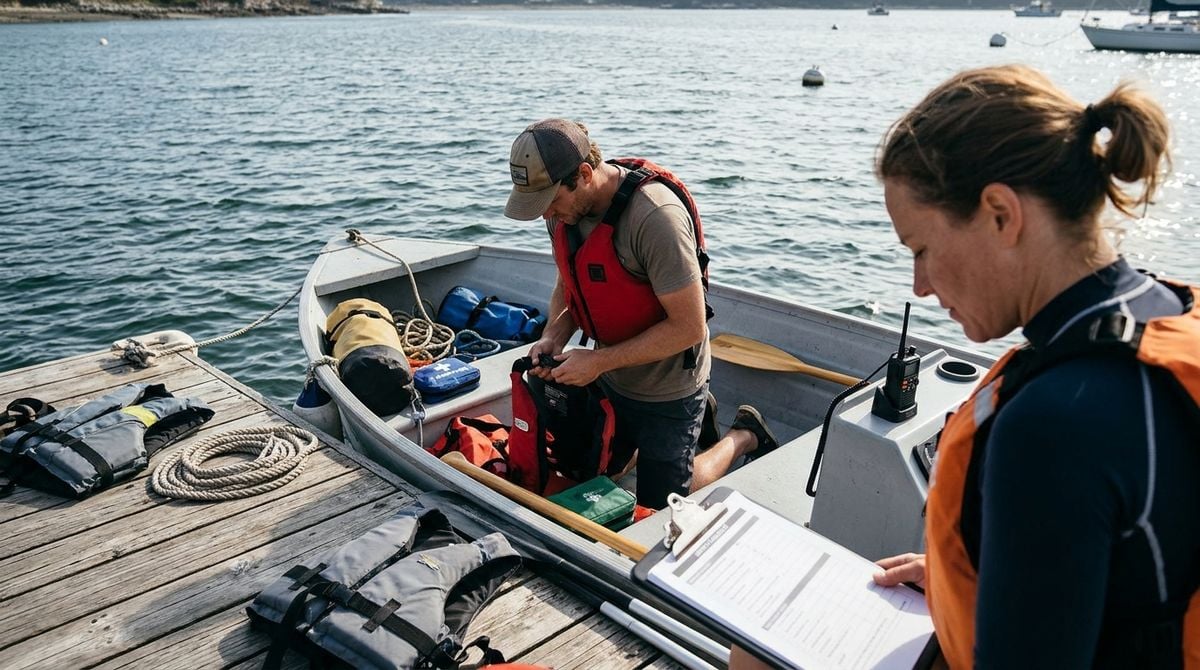
Northeast Florida offers some of the most dynamic waterways along the Atlantic coast, attracting water enthusiasts, snorkelers, and scuba divers who seek both adventure and natural beauty. Exploring reefs, offshore wrecks, and freshwater springs provides an exhilarating way to stay active, build endurance, and connect with the natural environment. However, spending time underwater introduces unique environmental pressures that place distinct demands on the human body. Submersing oneself in open water requires conscious preparation, physical fitness, and careful planning to preserve personal wellness.
Maintaining personal vitality beneath the surface involves much more than simply strapping on a tank and jumping off a boat. A mindful diver recognizes that wellness encompasses cardiovascular stamina, respiratory health, calm mental focus, and thorough familiarity with maritime safety practices. When you prioritize a proactive wellness routine both on land and in the water, you create a foundation for safer excursions and lifelong enjoyment of coastal waters.
Understanding the Physical Demands of Coastal Waters
Submersion changes how the cardiovascular and respiratory systems function in meaningful ways. The weight of water increases ambient pressure rapidly as depth increases, requiring divers to equalize pressure in their ears, sinuses, and lungs with deliberate care. Cold water exposure can also stimulate vascular changes, causing blood vessels near the skin to constrict and shifting volume toward the core. Even gentle ocean currents call for consistent kicking, which recruits major muscle groups in the legs, hips, and core. Divers who maintain baseline cardiovascular endurance tend to breathe more steadily, conserving their air supply and keeping physiological stress to a minimum.
Hydration also plays a critical role in dive wellness that is frequently overlooked. Breathing dry, compressed gas from a tank naturally pulls moisture from the respiratory tract. Furthermore, spending time under the coastal sun before and after an excursion increases fluid loss through perspiration. Maintaining proper hydration supports blood circulation, which aids the body in processing inert gases naturally during and after ascent. Simple habits, such as drinking water consistently throughout the day and limiting heavy beverages before an excursion, keep tissues supple and responsive.
Daily Conditioning and Respiratory Wellness for Divers
Preparing your body for underwater exploration begins long before you arrive at the boat dock. Incorporating functional cardiovascular exercises—such as brisk walking, swimming, or cycling—improves lung capacity and heart health. Consistent aerobic conditioning allows the heart to pump blood efficiently without placing undue strain on the circulatory system during challenging surface swims or sudden changes in water currents.
Respiratory awareness is equally valuable. Mindful breathing practices help divers expand their diaphragmatic control, encouraging slow, deep breaths rather than rapid, shallow inhalations. Practicing controlled exhalations on dry land trains the nervous system to remain tranquil even when unexpected conditions arise underwater.
Integrating simple wellness habits into your weekly routine can substantially enhance your readiness for open water excursions:
- Engage in regular low-impact swimming to build swim-specific muscular endurance and comfort in the water.
- Practice gentle sinus and ear equalization techniques on land to maintain tissue comfort and flexibility.
- Perform daily mobility drills for your ankles, knees, and shoulders to manage heavy gear comfortably.
- Focus on steady diaphragmatic breathing exercises to support respiratory endurance and calmness.
Mental Composure and Situational Awareness Beneath the Waves
While physical stamina provides the engine for swimming, mental composure serves as the steering wheel. Underwater environments are naturally dynamic and unpredictable. Sudden shifts in visibility, unexpected marine life encounters, or minor equipment adjustments can trigger an instinctive surge of adrenaline. When divers experience elevated stress, their breathing rate quickens, their air consumption surges, and their decision-making ability can become clouded. Cultivating mental poise helps divers pause, evaluate their surroundings objectively, and take measured actions rather than reacting out of panic.
Cultivating situational awareness begins with deliberate pre-dive routines. Taking several quiet moments on the boat deck to review dive plans, visualize your descent, and communicate with your dive buddy fosters shared confidence. Clear communication underwater relies on hand signals, patient pacing, and mutual observation. When buddies monitor each other attentively, small concerns can be addressed quietly before they escalate into urgent challenges.
Navigating Safety Protocols and Organizational Policies
Recreational diving thrives within a network of structured safety standards, charter rules, and community operating procedures. Marine facilities, dive clubs, and excursion operators must maintain clear operational guidelines to protect both participants and crew members. When groups establish sound administrative practices, dive operations run with greater consistency, safety checklists are rigorously followed, and emergency action plans remain current. Many professional organizations explore research and frameworks from policydevelopment.org to design clear safety frameworks and ensure compliance across varied recreational and commercial environments.
Understanding institutional safety guidelines also helps individual divers advocate for their own health and well-being. Before booking an offshore trip, divers have every right to inspect vessel safety measures, verify emergency oxygen availability, and confirm that the dive leader maintains active professional credentials. In situations where an offshore accident, vessel dispute, or equipment breakdown raises complex maritime questions, having access to specialized insight from a reputable Diving Legal Consultant can bring clarity to maritime standards, vessel operator duties, and personal rights.
Managing Unexpected Incidents and Post-Dive Recovery
Even the most prepared diver can occasionally face unforeseen obstacles, ranging from sudden mechanical difficulties to unexpected physical distress during ascent. When an unexpected incident occurs, prioritizing immediate medical evaluation and physiological rest is essential. Beyond the physical recovery process, dealing with accident reports, insurance reviews, or disagreements with excursion providers can introduce considerable mental strain. Divers who find themselves managing complex documentation or organizational disputes can benefit from learning strategies for protecting well-being during acute legal stress, which helps keep cortisol levels in check and preserves emotional stability during administrative challenges.
Post-dive physiological care is just as critical as pre-dive conditioning. After surfacing, the body continues to release residual nitrogen stored in tissues during the dive. Engaging in quiet rest, avoiding heavy physical exertion for several hours, and allowing ample time before flying or ascending to higher elevations supports natural decompression. Prioritizing restful sleep on the evening following a dive gives the body dedicated time to repair cellular fatigue and rebalance energy reserves. Taking a warm shower, refueling with wholesome nutrient-dense meals, and listening to your body’s signals ensure that your muscles and joints recover smoothly.
Exploring coastal waters is one of the most rewarding pursuits available to Florida residents and visitors alike. By respecting the natural demands of the marine environment, maintaining personal cardiovascular and respiratory fitness, and remaining informed about safety standards and legal rights, you can protect your vitality across every dive. Approach each excursion with mindfulness, preparation, and respect for the water, and you will continue to enjoy the profound health and wellness benefits of the ocean for years to come.