
Moving hazardous materials across the country isn’t just about meeting delivery deadlines. It’s a high-stakes operation where a single misstep can put your entire crew in danger. When your team handles bulk chemical transportation, you’re dealing with volatile, toxic, or corrosive substances that demand flawless execution. Protecting the drivers, loaders, and logistics personnel requires more than just hoping for a smooth ride. It takes a proactive, uncompromising approach to workplace safety. Let’s explore the core practices that’ll keep your employees protected from the loading dock to the final destination.
Prioritize Rigorous, Compound-Specific Training
Your employees can’t protect themselves if they don’t understand exactly what they’re hauling. Standard commercial driver training simply won’t suffice here. Anyone involved in moving hazardous materials needs comprehensive, ongoing education specific to the exact compounds they handle on a daily basis. They need to know how a specific liquid reacts to sudden temperature changes, what happens if it’s accidentally exposed to water, and the exact warning signs of a vapor leak.
Don’t treat training as a tedious, one-time onboarding task that gets checked off a list and forgotten. Regular refresher courses ensure critical safety protocols stay fresh in everyone’s mind, turning cautious habits into automatic reflexes. When employees understand the science behind the danger, they’re far less likely to take shortcuts on the job.
Mandate the Right Personal Protective Equipment
Personal protective equipment represents your team’s last line of physical defense against accidental exposure. A basic pair of work gloves and cheap safety glasses won’t cut it when dealing with industrial acids or toxic solvents. You’ve got to provide specialized, high-grade gear tailored to the exact chemical profile of the cargo. This might include splash-proof goggles, chemical-resistant coveralls, steel-toed boots, and specific respiratory protection devices.
Handing out the gear isn’t enough; you must train your crew on how to properly inspect their equipment before every single use. A tiny tear in a neoprene glove or a compromised rubber seal on a respirator renders the equipment completely useless. Make sure everyone knows how to spot wear and tear, and replace damaged gear immediately without questioning the cost.
Enforce Strict Preventive Maintenance
A well-trained driver can’t prevent a disaster if the equipment fails underneath them. Transporting volatile liquids requires specialized tankers equipped with intricate valves, pressure relief systems, and reinforced internal linings. These vehicles endure constant stress on the road, and regular wear and tear can easily compromise their structural integrity.
Implement strict, mandatory inspections before and after every single trip. Mechanics shouldn’t just kick the tires; they must meticulously scrutinize the hoses, gaskets, and pump seals for any signs of degradation. Catching a worn-out transfer valve during a routine yard inspection prevents a catastrophic spill on a busy interstate. Preventive maintenance isn’t just about protecting the vehicle; it’s about keeping the person behind the wheel safe.
Secure the Loading and Unloading Zones
The highest risk for chemical exposure doesn’t usually happen while the truck cruises down the highway at sixty miles per hour. The most dangerous moments actually occur during the transfer process. Loading and unloading represent highly vulnerable phases where hoses connect, valves open, and fluids move under intense pressure.
Your facility must establish strict exclusion zones around the transfer area. Only essential, fully equipped personnel should enter the perimeter near the vehicle during this specific time. Additionally, grounding and bonding the equipment proves vital to prevent static electricity from sparking a flash fire when moving flammable liquids. Supervisors must enforce a rigid checklist that confirms every connection sits completely secure before the transfer pump ever turns on.
Maintain Flawless Documentation and Placarding
Clear communication prevents fatal errors on the road. Every person who interacts with the load must have immediate, unobstructed access to accurate shipping papers and safety data sheets. These documents outline exactly what is inside the tank and provide the crucial handling instructions needed for safe transit.
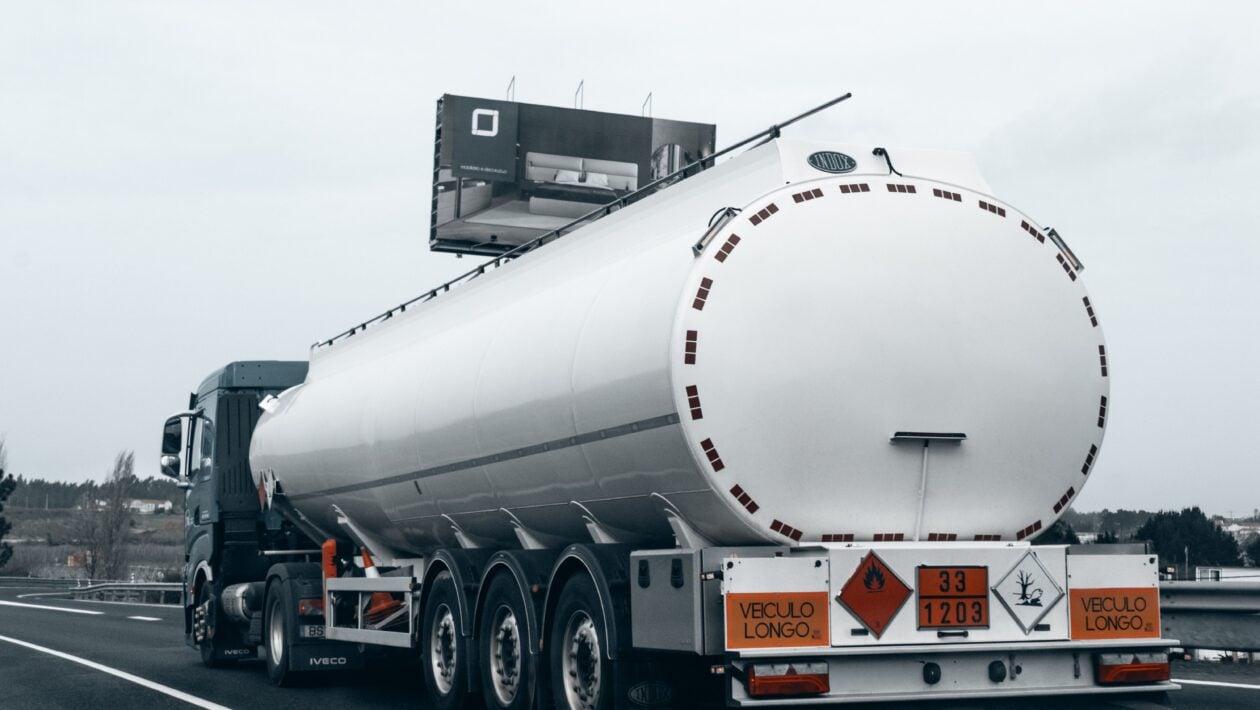
Proper placarding on the vehicle exterior remains equally vital. If an accident occurs, first responders rely entirely on those placards to determine how to approach the scene safely. If a truck isn’t labeled correctly, emergency crews might use the wrong fire suppression methods, turning a bad situation into an unmanageable disaster. Your dispatch team must verify all paperwork and physical labeling before a truck ever leaves the facility gates.
Plan Strategic Routes and Monitor the Weather
You can’t control the weather, but you can definitely control how your fleet navigates it. Dispatchers play a crucial safety role by mapping out the safest possible routes well in advance. This means avoiding densely populated urban areas, school zones, and complex intersections whenever possible. A straight, well-maintained highway always proves preferable to a winding backroad, even if it adds a few extra miles to the trip.
Your team must monitor weather conditions obsessively. Rain, ice, and high winds drastically increase the risk of a rollover or collision. If a severe storm is brewing along the route, the safest decision is often to delay the shipment entirely. Pushing a driver to meet a tight deadline in dangerous conditions isn’t worth the risk of a chemical spill.
Establish Clear Emergency Protocols
Even with flawless preparation and endless precautions, accidents occasionally happen. When things go wrong, panic becomes your worst enemy. Your team must know exactly how to react the moment they suspect a leak or a spill. This means establishing clear, step-by-step emergency response protocols. Drivers need to know how to safely secure the vehicle, who to contact immediately, and how to establish a safe perimeter to protect the public. Run practice drills regularly so your employees build muscle memory for these high-stress situations.
Safe chemical transport remains an ongoing commitment that requires vigilance from everyone on your payroll. From the maintenance crew checking the valves to the dispatcher monitoring the radar, every employee plays a critical role in the safety chain. By prioritizing rigorous education, enforcing strict equipment standards, and preparing for the worst-case scenarios, you create a culture where safety dictates every operational decision. When your team feels protected and prepared, they perform their jobs with complete confidence.