
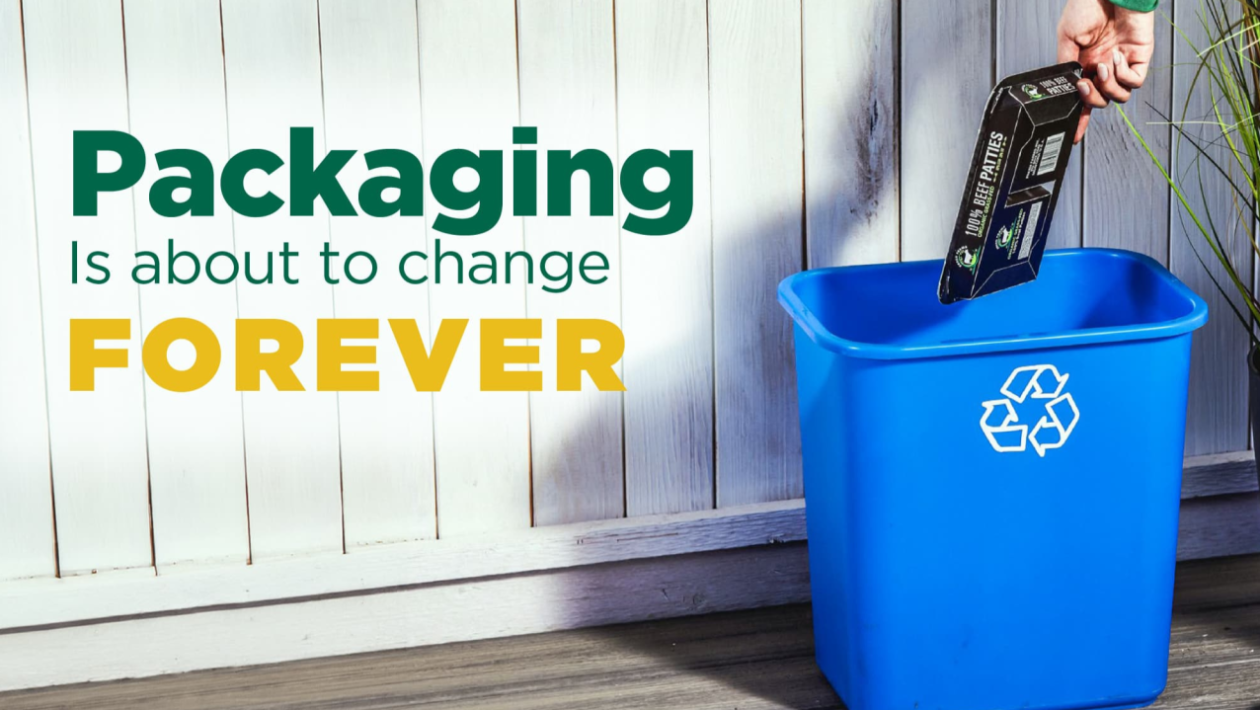
By 2030, all packaging made available on the European Union market is expected to be designed for recycling. The Packaging and Packaging Waste Regulation (PPWR), aims to change how consumer brands approach packaging design, material use, and product distribution.
For companies selling in Europe, sustainability is no longer a choice but an important part of meeting market requirements. The PPWR encourages serious changes that multinational companies need to make to ensure all packaging or packaged products sold in the EU meet the new requirements. Many companies might choose to adjust their entire global packaging design, resulting in PPWR’s influence spreading to packaging decisions in other regions outside of Europe.
The PPWR evaluates packaging on a performance-based “Design for Recycling” framework that assesses how recyclable a packaging is. The framework uses three different grades with any packaging that falls below 70% recyclability typically considered non-recyclable, and according to the PPWR goal, these packagings will be eliminated from the market by 2030. This grading system makes sustainability a strict commercial requirement for companies, but this can positively encourage higher recyclability in future packaging.
Paperboard is an option brands can lean more towards as PPWR’s influence grows. Paperboard benefits from high recyclability, established collection systems, and a fiber-based structure that makes it recyclable up to about 10 times. These qualities make the packaging material a great alternative for consumer brands to consider if they are currently using single-use plastic packaging.
For businesses, PPWR requirements means more than replacing packaging materials. Sustainability must now be incorporated throughout the entire process from packaging design to supply chain management as it is no longer an optional consideration.